Unease Over Greenland: A Transatlantic Tension
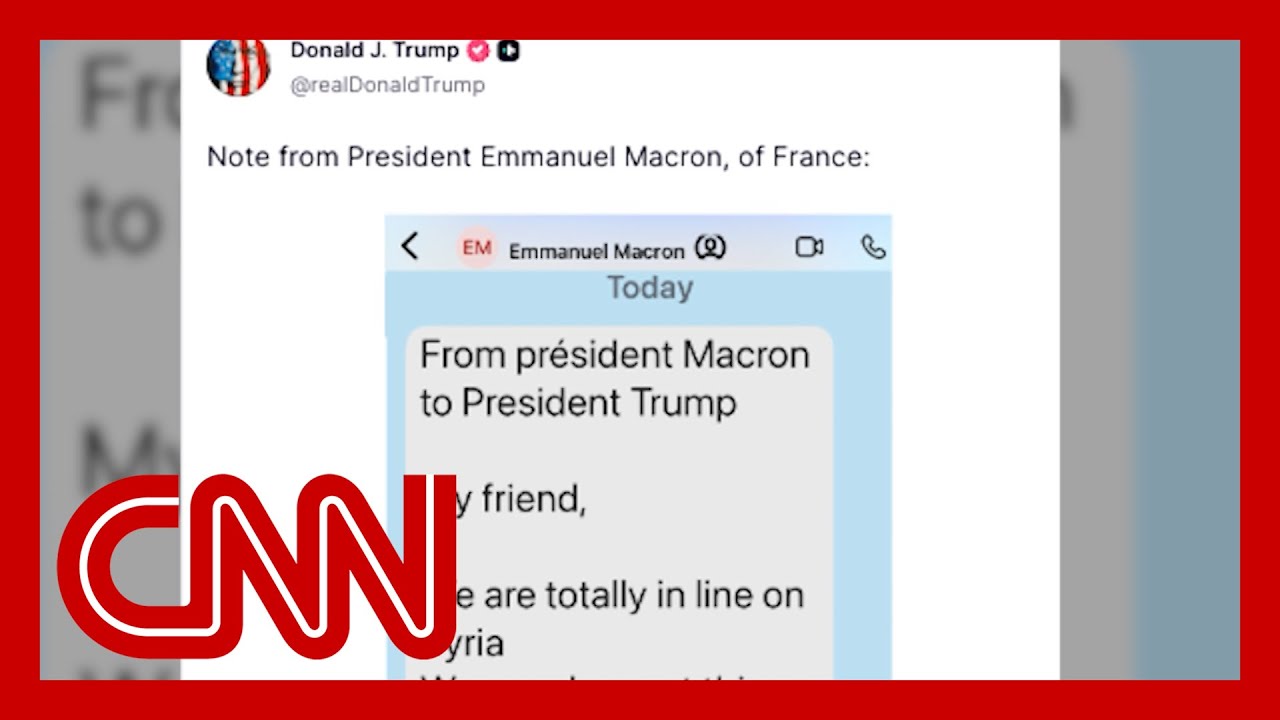
President Donald Trump finds himself at the center of a swirling controversy following the publication of private messages from European leaders expressing their concerns over his threats to annex Greenland. The unprecedented situation reveals a broader rift in transatlantic relations, one that is unsettling not just for political leaders but also for ordinary citizens on both sides of the Atlantic.
The leaks include a message from French President Emmanuel Macron, who questioned Trump’s motivations regarding Greenland. He succinctly stated, “I do not understand what you are doing on Greenland.” This was echoed by NATO Secretary General Mark Rutte, who, though supportive, emphasized the necessity of finding a diplomatic way forward.
In the near future, Trump is expected to meet with both leaders at the World Economic Forum in Davos. Optimism permeates his approach; he urges international leaders to “calm down” in light of his bold declaration. “Take a deep breath,” he advised, reaffirming his faith in the ability of nations to work through their differences amicably. Yet, this optimism contrasts sharply with the diplomatic realities unfolding.
Denmark’s response to Trump’s aggressive stance is forthright and unequivocal. A representative stated, “We will, of course, defend Greenland. If there is an invasion, it would be a war.” This warning underscores the gravity of the situation, emphasizing that while Denmark may lack military heft compared to the United States, they remain resolute in their commitment to safeguard their territory.
The implications of Trump’s actions are significant. Within the U.S., dissenting voices are emerging, even from within his own party. Congressman Don Bacon articulated strong opposition to the annexation, equating it to a "high crime and misdemeanor," thereby calling in question the moral and legal foundations of such a military action against an ally. His remarks highlight discontent not only among Democrats but also among moderate Republicans who are apprehensive about the diplomatic fallout.
CNN politics senior writer Zach Wolf, alongside other political commentators, notes the dissonance between Trump’s rhetoric and the realities of international diplomacy. He points out that Trump’s tactics evoke a negotiation style more suited to real estate than to statecraft. It appears he views aggressive maneuvers as a mechanism for securing advantageous agreements, underestimating the profound implications these threats carry for global alliances.
This kind of rhetoric and the subsequent backlash reflect a deeper instability within Trump’s administration during his current term. The so-called “adults in the room,” who once helped temper his more reckless inclinations, appear to have diminished in number or influence. This absence raises concerns about whether there are sufficient checks within the administration to manage aggressive foreign policy decisions, especially when they touch upon sensitive topics like territorial integrity and national sovereignty.
Internationally, reactions are mixed but increasingly pointed. Macron’s suggestion that Europe could employ its “economic nuclear option” against the U.S. exemplifies the rising tensions. The French President’s reluctance to engage with Trump’s latest proposals—including invitations to global summits—indicates a souring relationship reminiscent of historic diplomatic crises.
As the leaders gear up for their meeting in Davos, the gravity of the situation persists. The unresolved questions regarding Greenland pose significant challenges for NATO and the transatlantic partnership, which has weathered numerous storms over the decades. Observers are keenly watching the dialogue dynamics; will a pathway to resolution emerge, or will this situation deepen the divide?
Ultimately, Trump’s fixation on Greenland serves as a microcosm of larger geopolitical tensions. It reflects not only the complexities of U.S.-European relations but also broader anxieties about a fluctuating global order. The discussion surrounding Greenland transcends simple territorial issues; it touches upon themes of nationalism, territorial integrity, and the evolving role of traditional alliances in an unpredictably changing world. As leaders prepare to engage face-to-face, the outcome remains uncertain, but the stakes could not be higher.