The Disturbing Arrest of Alia Rahman: A Call for Accountability
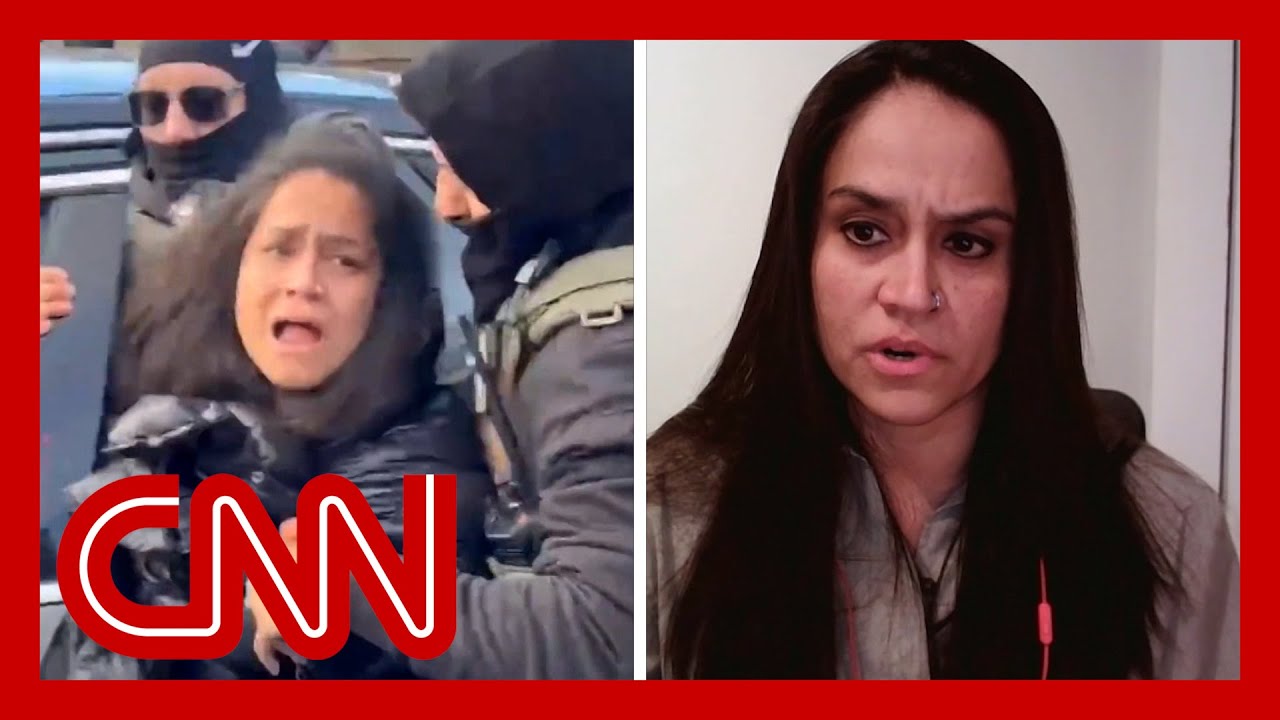
In a troubling incident that drew nationwide attention, Alia Rahman, a disabled woman, was forcibly removed from her car during a protest in Minneapolis against President Trump’s immigration policies. This event spiraled into chaos as agents employed extreme measures, dragging her by her limbs while she screamed for help. The context of her arrest underscores not only a blatant display of aggressive law enforcement but also raises critical questions about the treatment of individuals with disabilities in such confrontational encounters.
Rahman was on her way to a medical appointment when she inadvertently found herself ensnared in the midst of a protest. Video footage of her arrest captured a harrowing scene, as federal agents accused her of being an "agitator" while she insisted she had merely encountered a traffic jam. The official narrative presented by the Department of Homeland Security painted her in a negative light, claiming that she ignored commands to vacate the scene. However, her perspective offers a stark contrast to this characterization.
“I didn’t understand what was happening,” Rahman explained in an exclusive interview. As a person living with autism, she faces auditory processing challenges that compounded the confusion brought on by the chaotic atmosphere around her. Instead of a clear and calm directive, she experienced a disturbing cacophony of conflicting commands, threats, and aggression. “I was trying to identify who was talking to me,” she described. “But with officers covering their mouths, that was impossible.”
The Minneapolis Police Chief Brian O’Hara has expressed discomfort with the actions taken by the agents. He fundamentally disagrees with the portrayal of Rahman as an agitator, emphasizing that the treatment she received was unacceptable. “It pisses me off to see men doing that to a woman who’s disabled,” he remarked, highlighting the disproportionate response to her situation.
Rahman’s attorney, Alexia Van Brunt, has taken a strong stance in defense of her client, asserting, “The officers violated their own protocols.” She articulates that every step of Rahman’s treatment during her arrest constitutes a failure to uphold standards set for interactions with individuals with disabilities. Whether it was the failure to provide basic medical care or the refusal to accommodate her mobility needs, these actions reflect a concerning trend in law enforcement practices.
After being pulled from her vehicle, Rahman recounts experiencing a series of dehumanizing procedures during her detention, leading to a state of unconsciousness. Her pleas for assistance fell largely on deaf ears, demonstrating a shocking disregard for her wellbeing. “They stood me up and said, ‘You can walk,’ without acknowledging my need for support,” Rahman explained. Such conduct highlights a broader systemic issue where individuals with disabilities are often met with skepticism rather than understanding.
As Rahman continues to process the trauma of this distressing event, she also grapples with the mischaracterization of her actions by authorities. She emphasizes that she was not protesting but merely trying to fulfill an essential personal obligation. “The narrative is not just about me; it’s about what happens when people do not understand disability,” she staunchly asserted.
The legal ramifications of her arrest remain uncertain. Neither Rahman nor her legal counsel has confirmed any formal charges against her. However, Van Brunt has articulated with conviction that the behavior of the officers involved raises substantial legal concerns about misconduct and abuse of authority. “The officers acted in a way that violated basic human dignity,” she asserted passionately.
As this incident unfolds, it stands as a potent reminder of the urgent need for reform in how law enforcement interacts with vulnerable populations, particularly those with disabilities. The circumstances surrounding Alia Rahman’s arrest challenge us to examine not only the methods deployed by law enforcement but also the deeper societal attitudes towards individuals living with disabilities. They compel us to ask critical questions: How can we ensure accountability? How can we create a system that recognizes the humanity inherent in every individual, regardless of their physical capabilities? Only by confronting these issues can we hope to build a more just and understanding society.