Confrontation in Oshawa Leaves Officer Wounded: An Overview
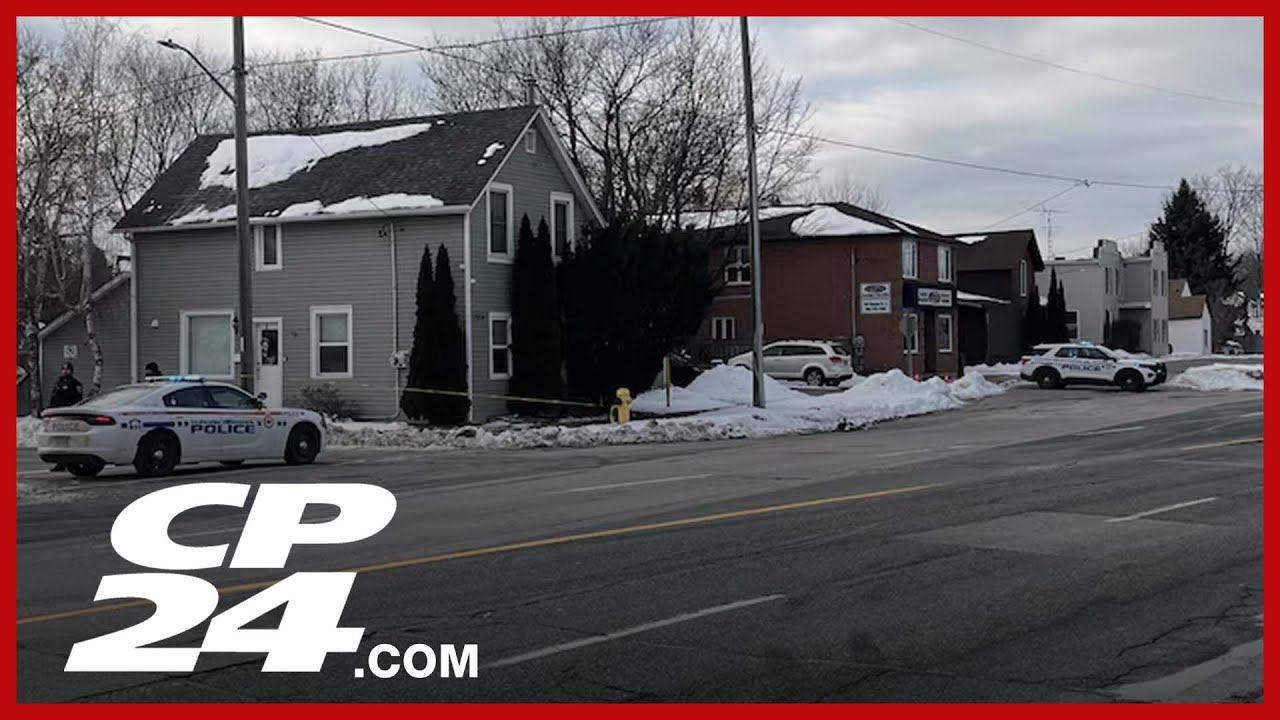
A recent incident in Oshawa has drawn significant attention after a police officer was shot during a confrontation involving a man in crisis. This police-involved shooting has raised questions regarding police procedures, the nature of the crisis, and the immediate response of law enforcement. The situation remains under investigation by the Special Investigations Unit (SIU) of Ontario.
At approximately 11:00 AM, Durham Regional Police received a call about a man believed to be in crisis and potentially armed with a knife. Multiple uniformed officers promptly responded to the scene, indicating a swift action on behalf of law enforcement. However, what unfolded thereafter has become the subject of close scrutiny. According to the SIU’s preliminary report, one officer discharged their service weapon, leading to both the man in crisis and a fellow officer sustaining injuries.
Fortunately, both individuals are reported to be in stable condition, alleviating some immediate concerns for their well-being. Nonetheless, the circumstances surrounding how the officer was shot remain unclear. The SIU stated that either the officer was caught in crossfire or a bullet may have ricocheted unexpectedly, underscoring the unpredictable nature of police engagements.
Policing is inherently complex. Officers undergo extensive training intended to prepare them for the various scenarios they may encounter. They are taught to handle firearms safely and to be vigilant about the potential for crossfire. Yet, real-world confrontations can escalate rapidly and sometimes end in unforeseen circumstances. The incident in Oshawa appears to highlight this very reality, emphasizing how quickly situations can devolve.
The SIU is responsible for determining critical aspects of this case, particularly whether the use of force was justified. This raises intricate questions about protocols: Was the amount of force used appropriate given the circumstances? Did the officer perceive an immediate threat? The answers will contribute to understanding the practices of law enforcement in crisis situations.
Moreover, the SIU has indicated that there may be two distinct lines of inquiry: first, evaluating the actions of the officer who discharged their weapon, and second, determining how fellow officers were involved in the shooting incident. This dual investigation process aims to assess not just the legality but the professionalism of law enforcement actions in a high-stress context.
Currently, no information has emerged regarding the number of officers involved in the incident. However, the SIU has suggested that only one officer may be classified as a subject officer, while others could be regarded as witness officers expected to provide statements. This clarification is essential for ensuring transparency and accountability in law enforcement actions.
As the investigation unfolds, the public will likely demand answers. Police actions, particularly in volatile situations, are under increasing scrutiny. This incident is no exception, as the complexities surrounding mental health crises and police intervention come to the forefront of societal discourse. The need for effective training, mental health resources, and crisis intervention strategies remains paramount.
In conclusion, the recent confrontation in Oshawa highlights the challenges faced by law enforcement. While both the officer and the man in crisis are stable, unresolved questions linger about the actions taken during the incident. The SIU’s investigation will be crucial in determining accountability and may offer insights into best practices for managing similar situations in the future. As the community processes this event, there is also an opportunity to reflect on how crisis situations are handled nationwide, emphasizing compassion and understanding alongside law enforcement protocols.