A Rising Concern: Counterfeit Currency in the GTA
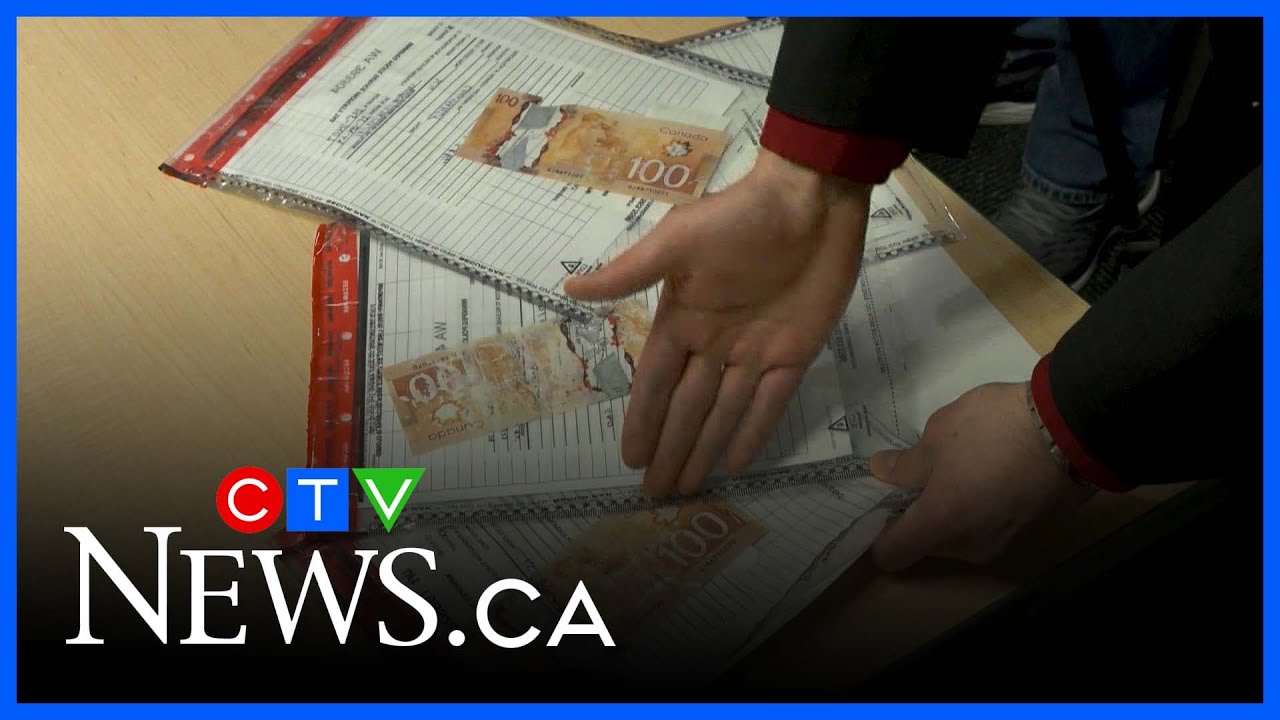
As the world transitions increasingly to digital transactions, cash transactions remain a necessity for many businesses. However, consumers and businesses in the Greater Toronto Area (GTA) are facing a new threat: a surge in counterfeit bills. Police reports indicate that fake $20s and $50s have already infiltrated the market, and now $100 bills are following suit.
Recent incidents, including one involving a Mississauga company, highlight just how damaging this issue can be. Trailers Ontario, a company with multiple locations throughout the province, fell victim to this crime, losing more than $6,000 when a customer purchased a trailer using counterfeit currency. The customer, who approached the company last week to buy a trailer valued at $12,200, paid $6,200 of that amount in fake cash.
Owner Nadir Burgie recalls the discovery of the fraud: “I found out first thing Monday morning.” This case exemplifies a frustrating reality for many business owners. When he contacted the Peel police, he learned that the individual who handed over the counterfeit money claimed to have received the fake bills from another transaction. Although Burgie’s loss exceeded $6,000, the police indicated that they could not take action because the customer had paid part of the amount in legitimate currency, categorizing the situation as a civil matter.
The concerning rise in counterfeit bills also prompted warnings from law enforcement agencies. Toronto police have reported a significant increase in the circulation of fake notes since the beginning of this year, with nearly $50,000 in counterfeit money already turned in. Authorities suggest that businesses and consumers should take precautions to avoid falling victim to these scams.
So, what can you do to protect yourself and ensure that your transactions remain legitimate?
First and foremost, if possible, avoid large cash transactions altogether. Should cash be a necessity, conducting transactions at financial institutions provides a safer environment. The use of cash brings risks; accepting bills that may be counterfeit is one of them. According to police, if someone does find themselves with counterfeit currency, they should not attempt to use it, as doing so is a criminal offense.
For those accepting cash, there are specific guidelines to follow. Authorities recommend familiarizing yourself with the characteristics of genuine currency. For instance, tilt the note to observe the metallic portrait and building, which should change colors. This simple check can often prevent major losses.
In light of these recent incidents, businesses like Trailers Ontario are taking proactive measures to safeguard against counterfeit money. Burgie has implemented new protocols within his team. "We’ve purchased money counters for all our locations, and I’ve instructed my staff to double-check every bill," he explained. These measures indicate a clear shift in the way businesses will need to address cash transactions moving forward.
It’s crucial to understand that if a business inadvertently accepts counterfeit cash, they cannot expect a bank to reimburse them. Instead, the bills will be confiscated, leaving the business to absorb the loss. This highlights the need for vigilance when handling cash, particularly when larger sums are involved.
The rise of counterfeit currency is more than an inconvenience; it’s a burgeoning threat to businesses and consumers alike. The increasing sophistication of counterfeit operations makes it imperative for all parties involved in cash transactions to remain alert. Each small step taken to verify the authenticity of currency can contribute significantly to safeguarding one’s finances.
As issues of counterfeit money continue to escalate, the message is clear: do your homework, stay alert, and prioritize recognizing legitimate currency. In today’s financial landscape, knowledge is, indeed, the best defense against being scammed.