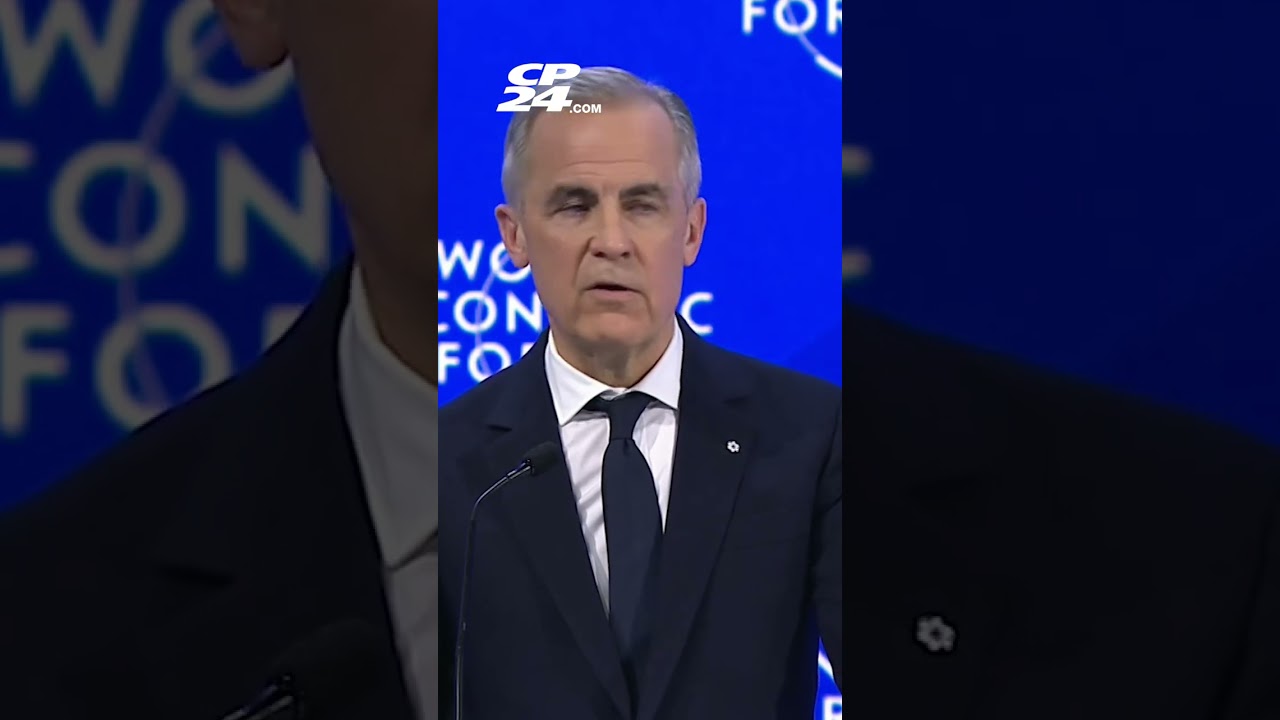
Embracing a New Reality: The Role of Middle Powers in a Fractured World
In today’s complex global landscape, the traditional structures of international relations are undergoing significant disruption. Acknowledging this rupture is not merely an exercise in adaptation; it demands a forthright recognition of the realities that define our current world order. The phrase "nostalgia is not a strategy" succinctly encapsulates the essence of our present challenge. Clinging to the past is not only impractical; it is counterproductive. The past no longer serves us. Instead, from this fracture, we have an opportunity to construct something more substantial, equitable, and resilient.
The middle powers of the world stand at a pivotal juncture. These nations, often overlooked in discussions dominated by superpowers, have much to gain and much to lose from the evolving dynamics of international relations. They possess a unique position: neither the excessive weight of global hegemonies nor the constraints faced by developing nations. Thus, middle powers occupy a critical space for fostering genuine cooperation amid rising nationalism and isolationism.
As we witness the proliferation of fortresses—both literal and metaphorical—many may wonder what role these middle powers can play. The influential nations may hold the reins of power, but they too are beholden to the shifting tides of global sentiment. In contrast, middle powers can embrace a different path. They can leverage their unique status to advocate for a collaborative approach that transcends traditional power dynamics.
Honesty about the current state of affairs is essential. Acknowledging the fractures that exist can serve as a foundation for rebuilding. Middle powers have the capacity to stop pretending that the old order will be reinstated. Instead of longing for a bygone era, they can confront the complexities of today’s world head-on. This honesty will create the space needed for authentic dialogue and cooperation.
Canada exemplifies this proactive approach. The country has openly chosen a path that emphasizes constructive engagement over isolationism. Canada’s willingness to take on this role demonstrates its understanding that strength lies not merely in military or economic power, but in the commitment to collaboration and mutual respect among nations. This perspective can inspire other middle powers to do the same.
The fractures in the global order offer a clear opportunity for middle powers to assert themselves as leaders in the quest for a more just world. By cultivating domestic strength and fostering cooperation, these nations can create a potent alternative to the isolationist tendencies of larger powers. The resilience of middle powers is rooted in their ability to unite around shared challenges and work collectively to address them.
However, this journey is not without its challenges. The allure of nostalgia may be tempting, but it is essential for middle powers to remain focused on the task at hand. Building a new framework for international relations will require courage, consistency, and a deep commitment to shared values. The stakes are high; the world needs a balance of power that can facilitate cooperation rather than division.
The time has come for middle powers to leverage their inherent strengths. By fostering dialogue rooted in honesty, they can create the conditions necessary for collective action. This requires an unwavering commitment to understanding each nation’s unique context while simultaneously pursuing common goals. The success of this approach will depend on the ability of these nations to work together, fostering a spirit of cooperation that transcends borders.
In conclusion, the world is changing, and so too must our approach to international relations. Middle powers have an unparalleled opportunity to redefine the narrative. They can shift from being mere participants in a global system dominated by a few to becoming architects of a new cooperative order. This is not just Canada’s task; it is a call to action for all middle powers willing to embrace this path. The future is ripe for building something bigger, better, and stronger—a future that is just and equitable for all.