The Complexity of Split-Second Decisions in Law Enforcement
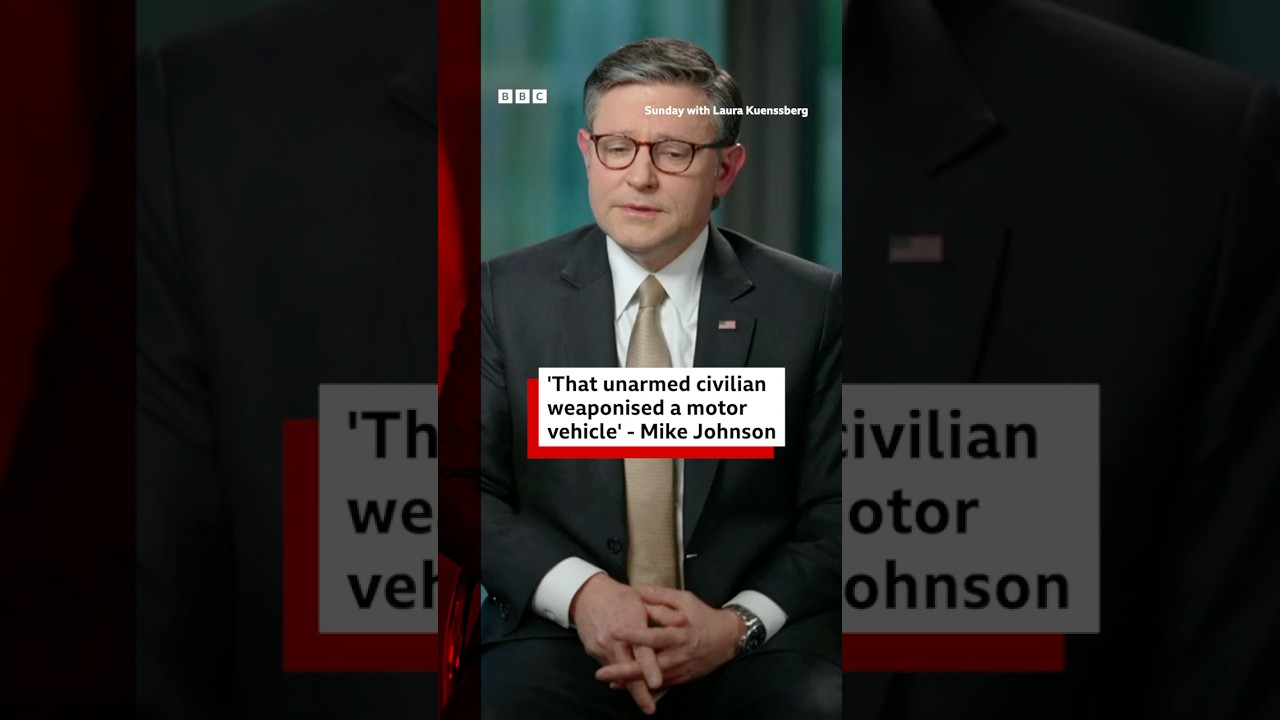
In recent discussions surrounding a controversial incident involving law enforcement, the narrative quickly shifts to the complexities of decision-making in high-pressure situations. The case revolves around an unarmed civilian who allegedly weaponized a motor vehicle, attempting to run over an officer from the Immigration and Customs Enforcement (ICE) agency. As investigations continue, the diverging opinions raise profound questions about the morality of law enforcement tactics and the split-second decisions officers must make in the line of duty.
The incident, captured on tape, invites scrutiny from all angles. On one hand, it is essential to acknowledge the perspective of the law enforcement officer involved. In a moment of imminent danger, the officer’s reaction can seem swift and instinctual. Under stress, when confronted with a speeding vehicle, even a trained professional must make rapid assessments. The officer’s decision to use lethal force is presented as an act of self-defense, which might seem justifiable given the circumstances. Herein lies the central conflict: when does self-defense shift toward excessive force?
Critics of law enforcement often highlight that the civilian involved was unarmed. They argue that the response to a perceived threat should not result in deadly outcomes, particularly when the individual poses no immediate threat with a traditional weapon. The moral implications of shooting an unarmed person point to a broader conversation about the use of force in policing. Questions arise: Are officers adequately trained to assess and de-escalate potentially volatile situations without resorting to firearms? Furthermore, how does societal perception influence the accountability of law enforcement?
To frame this discussion, it’s crucial to recognize that public opinion is shaped largely by emotions, particularly when confronting incidents of police violence. Videos capturing such tragic events flood social media, often leading to quick judgments and calls for action. While this can galvanize reform and advocate for justice, it also risks oversimplifying complex situations. Law enforcement operates within a milieu that is fraught with uncertainty. In the heat of the moment, officers on the front lines must weigh survival against legal and ethical standards.
It is easy for journalists and commentators, not trained in the reactive decision-making required in law enforcement, to criticize actions taken in the heat of the moment. However, a thorough analysis demands a nuanced understanding of the pressures officers face. The narrative must include insight into police training, which emphasizes rapid assessment as a necessary tool for survival. Yet, this reality should not excuse the need for accountability or improvement in policing methods.
The dialogue must also include consideration of community and systemic factors that contribute to such incidents. Socioeconomic disparities, community-police relations, and even public expectations of law enforcement frameworks significantly affect interactions. A single encounter between a civilian and law enforcement can resonate across an entire community, stirring sentiments ranging from anger to fear and distrust.
As investigations into controversial incidents like this one unfold, it is vital for stakeholders—including law enforcement agencies, community leaders, and policymakers—to engage in constructive discussions. These dialogues can inspire reforms aimed at improving training, enhancing community engagement, and ensuring that officers have the resources and support to make informed decisions on the ground.
While it’s clear that the actions taken in high-stress situations can lead to tragic outcomes, labeling them without understanding their context does a disservice to all involved. Acknowledging the complexity of law enforcement decisions while calling for accountability and reform can pave the way for a more just and effective policing system.
In conclusion, while the immediate response of the involved officer might seem justified in the context of self-defense, the broader conversation must consider the systemic issues that contribute to such situations. Balancing the safety of both law enforcement and civilians is a delicate task that requires ongoing dialogue and commitment to improvement. Addressing these challenges is not merely a matter of policy but an essential component of fostering trust and safety in our communities.