A Call for Investigation: Minneapolis and the Consequences of Federal Actions
The recent fatal shooting of Alex Prey, an intensive care nurse, by federal immigration agents in Minneapolis has reignited fierce debates on law enforcement practices and the increasing tensions between local governments and federal authorities. This incident is the second such shooting within a month, prompting not only widespread protests but also calls from politicians, even within President Trump’s Republican party, for a thorough investigation.
Prey, who was 37 years old, was killed in an altercation with U.S. Border Patrol agents. The Trump administration claimed that Prey was armed and posed a threat to officers. However, contradicting this narrative is both video evidence and local officials’ accounts. Governor Tim Walz of Minnesota questioned the federal government’s justification often related to violent encounters, asking citizens, “What side do you want to be on?” He urged support for those like Prey, who represent the values of care and compassion in stark contrast to what he termed an "all-powerful federal government."
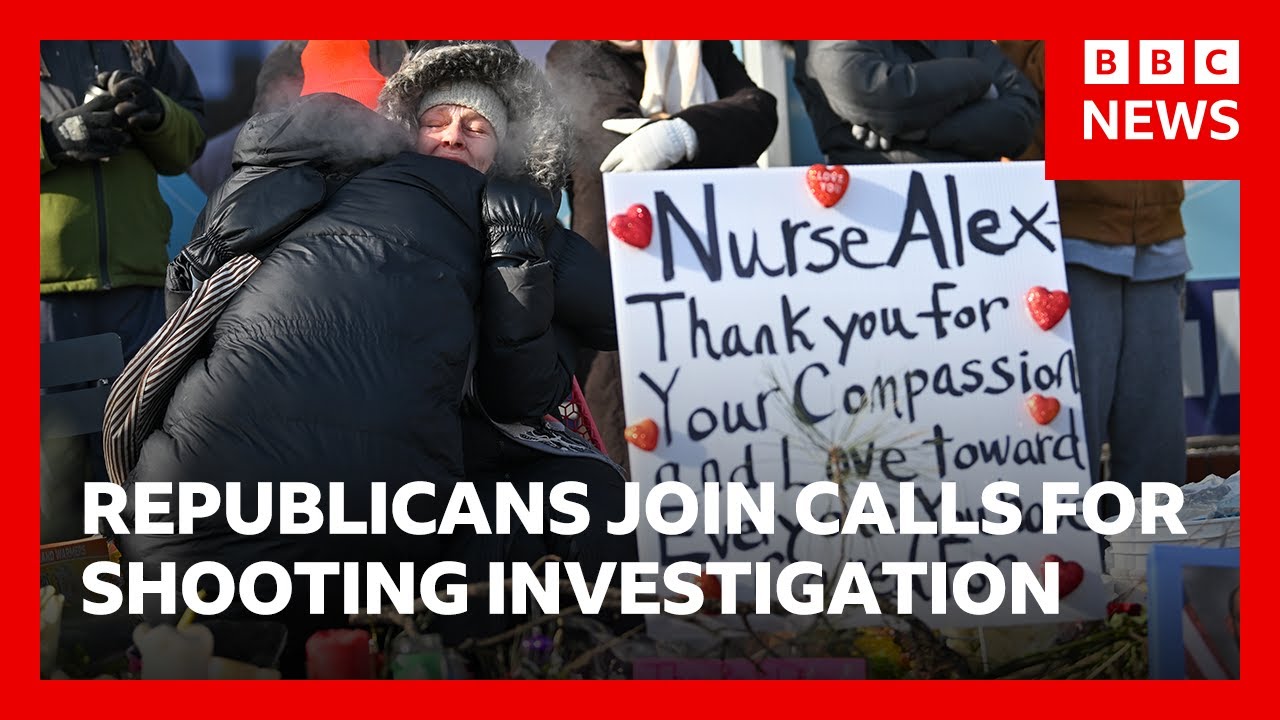
As mourners gather at the site where Prey lost his life, they leave flowers and messages, seeking to honor his legacy. His family asserts that the administration’s portrayal of him is grossly misleading, emphasizing his commitment to caring for others. Prey’s death comes after that of Renee Good, an incident that had already caused public outcry. Within a matter of weeks, Minneapolis has transformed from a city of mourning into a focal point in the national conversation regarding immigration policy and federal overreach.
The critical voices extend beyond local officials. High-profile Republican lawmakers, traditionally aligned with the administration, are beginning to express concern. Their calls for an independent investigation into the practices of Immigration and Customs Enforcement (ICE) underscore the gravity of the situation and highlight the need for accountability. One senator’s statement summed it up succinctly: "The credibility of ICE is at stake."
The available video footage presents a stark contrast to the official narrative. Various angles depict the moments leading up to Prey’s death. Reports indicate that he was pepper-sprayed and wrestled to the ground by federal agents before they removed what appeared to be a gun from him—yet the video shows him holding a phone in one hand during the altercation. Witnesses report that he was not brandishing the weapon in a threatening manner.
Federal authorities, including Christine Gnome, the Secretary of Homeland Security, justified the shooting by stating that the officers engaged an armed suspect. However, the growing collection of video evidence raises questions about this account. Within mere seconds, after the gun was retrieved, agents used lethal force, firing multiple shots while Prey lay on the ground, unresponsive.
The exchanges between local lawmakers and federal officials reveal the deeper layers of discord surrounding immigration policies. Trump’s administration has conversely placed blame on local lawmakers for inciting chaos, while state officials like Governor Walz hold the federal administration accountable for fostering an environment of fear and violence. This discord underscores a more profound issue rooted in immigration policy and federal law enforcement tactics.
As the community continues to grieve, activists and local leaders are calling for a reevaluation of how immigration enforcement occurs, particularly in urban settings. The killing of Alex Prey may serve as a catalyst for broader reflections about law enforcement accountability and the human cost of political agendas.
In a nation grappling with issues of race, immigration, and systemic violence, Minneapolis stands as a poignant reminder of the consequences of policy in action. The path forward will require engaging in honest discussions about the values that govern both immigration policy and the conduct of law enforcement agencies. The demands for justice echo in the streets—seeking transparency, accountability, and ultimately, the preservation of human dignity.