The Recovery of Ran Gavilli: A Significant Development in the Middle East
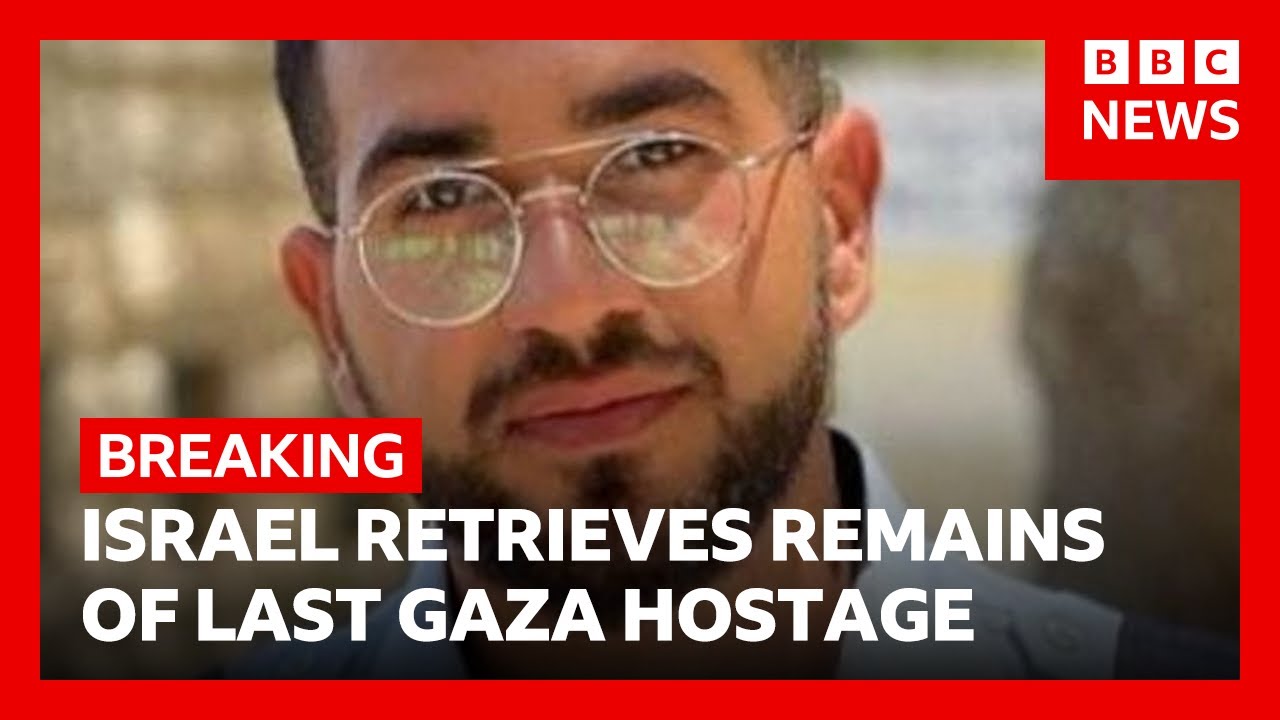
In a critical update from the Middle East, the Israeli Defense Forces (IDF) have confirmed the recovery of the remains of police officer Ran Gavilli, marking a pivotal moment in the context of the ongoing conflict with Hamas. Gavilli’s remains represent the last of the hostages held in Gaza, and their return aligns with the conditions set forth in the ceasefire agreement negotiated between Israel and Hamas. This development is significant not only for Gavilli’s family but also for Israeli society as a whole, which has been anxiously awaiting the complete return of all hostages.
Gavilli, a 24-year-old police officer serving in an elite unit, was killed while defending a kibbutz during the attacks on October 7. His tragic death and the prolonged wait for his remains have created an emotional toll on his family and the broader community. They have held weekly sit-ins, clinging to hope that he might one day be returned alive. Now, as the confirmation of his body’s return becomes reality, they are faced with mixed emotions: relief that he can be properly laid to rest but grief for the loss they have endured.
Prime Minister Benjamin Netanyahu has heralded this moment as “an extraordinary achievement” for Israel. His commitment to ensuring the safe return of all hostages has resonated deeply among families who have suffered immeasurably. The completion of this process has brought a sense of closure, at least in part, for the families involved and for a nation that has been under the strain of uncertainty. The IDF’s efforts to locate Gavilli’s body were extensive, relying on improved intelligence and determined operations over the weekend.
Now that all hostages have been accounted for, Israel is poised to move forward with reopening the Rafah crossing between Egypt and Gaza. This development is particularly crucial, as the border crossing will facilitate the movement of people—especially Palestinian citizens who wish to leave Gaza for medical treatment or to reunite with family members abroad. Reports suggest that around 30,000 Palestinians have expressed a desire to return to Gaza, having signed up with the Palestinian bureau in Cairo. This indicates a clear demand for both sides of the border to be operational again.
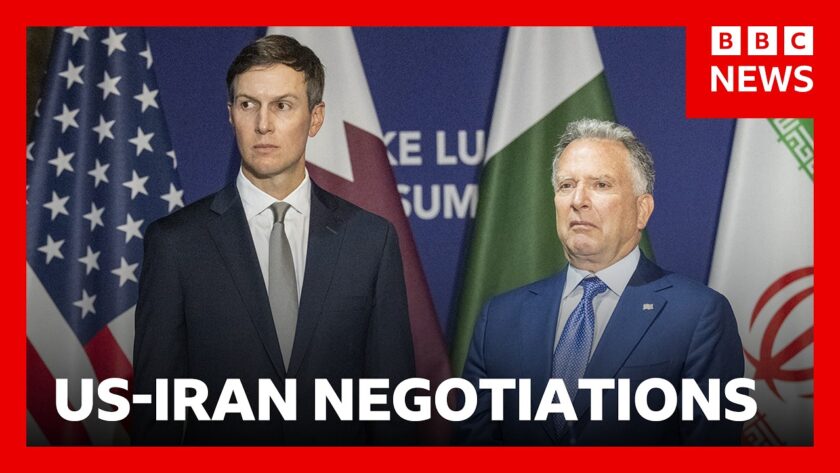
Discussions about the logistics of reopening the Rafah crossing have reportedly been influenced by high-profile visitors, including Jared Kushner and Steve Wickoff, who visited Jerusalem over the weekend to aid in negotiations. While there is an expectation of limited movement across the crossing in the coming days, the specifics regarding the number of individuals allowed passage each day remain uncertain. There’s potential for the reopening to occur later this week, but details are still forthcoming.
This juncture not only brings hope to those longing for connection but also underscores the complex dynamics at play in the region. While the return of Ran Gavilli’s remains signifies a closure for many, it also opens the door to further discussions regarding humanitarian aid and the logistics of maintaining peace. The reopening of the Rafah crossing, with its implications for both people and goods, could mark another step toward the gradual restoration of everyday life for many in the region.
However, it’s important to note that this process is fraught with complications. The hope is that by facilitating movement and easing access, the situation may prevent further escalation of tensions. As Israel works to balance its security concerns with the humanitarian needs of Palestinians, the broader implications of the current climate in Gaza and surrounding areas are far-reaching.
In summary, the recovery of Ran Gavilli’s remains serves as a major milestone in Israel’s efforts to reconcile with a traumatic past while simultaneously addressing future challenges. As the nation processes this loss and the families affected begin to heal, the reopening of the Rafah crossing offers a glimmer of hope for renewed connections amidst ongoing strife. The delicate balance of securing peace continues, with every move scrutinized and deeply impactful. The unfolding situation remains one of both hope and caution as the region seeks a sustainable path forward.