Israel’s Search for Closure: The Rafa Crossing and Humanitarian Impacts
In the wake of Hamas attacks in October 2023, Israel has announced plans to reopen the Rafa crossing between Gaza and Egypt. However, this reopening hinges upon the recovery of the last remaining body of a hostage, police officer Ran Gavilli, who was killed in the conflict. This critical decision underscores the delicate interplay between recovery efforts and humanitarian needs in a region grappling with immense challenges.
The initial promise of the Rafa crossing’s reopening was associated with the return of all Israeli hostages, both living and deceased. Yet, as progress has lagged, the Israeli government has opted to delay the reopening. The prime minister’s office has recently indicated that the crossing would be opened on a limited basis. This marked shift reflects a growing urgency amidst mounting pressure for humanitarian relief. Israel’s reluctance stems not only from security concerns but also from the emotional weight carried by families waiting for their loved ones’ remains.
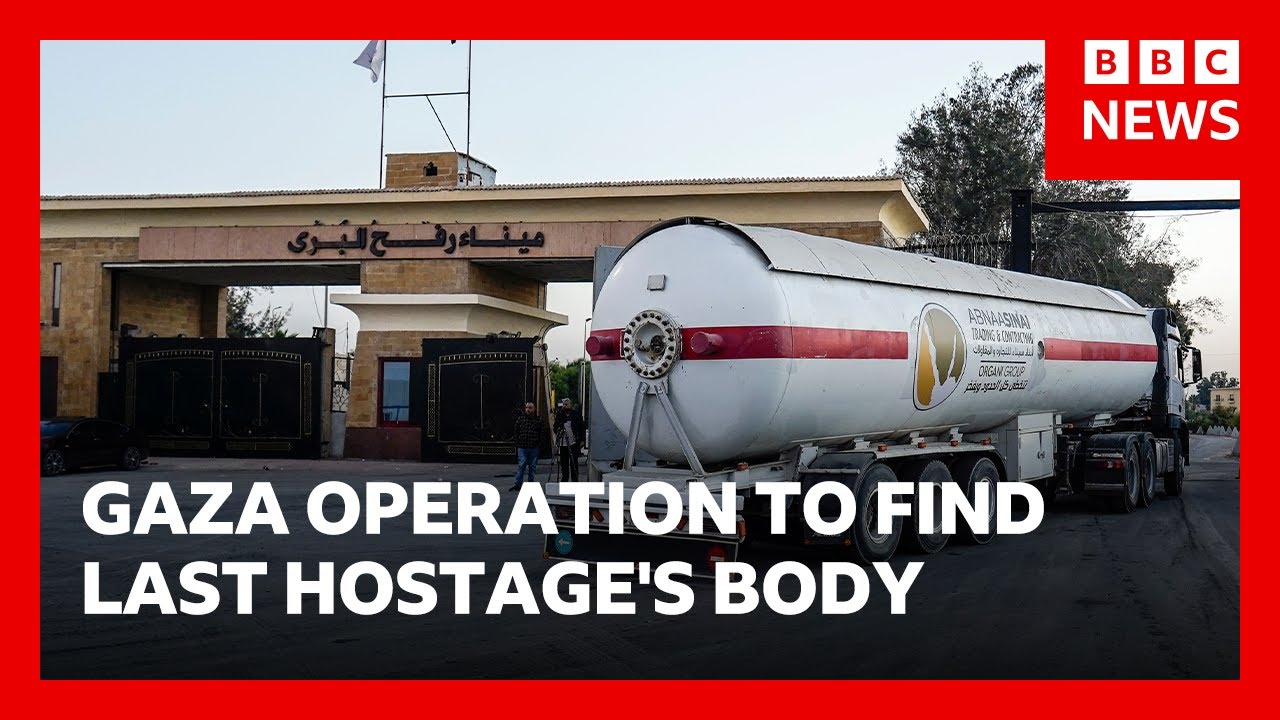
The search for Gavilli’s body has intensified over the past weeks. Israeli military forces are conducting operations in a cemetery located in northern Gaza. Intelligence reportedly gathered from Hamas could lead them to the site, which lies in close proximity to areas under Israeli control. As teams excavate, the implications of their findings extend beyond individual loss; they echo the collective grief of families and the broader Israeli populace.
The Rafa crossing itself stands as a lifeline for many in Gaza. It is the only crossing point into Egypt, providing a crucial route for humanitarian aid deliveries, medical evacuations, and the return of displaced individuals. Many Gazans are reliant on this crossing for medical treatment unavailable within the enclave. Severe shortages in medical supplies underscore the dire situation, necessitating urgent access for both humanitarian organizations and affected individuals.
The anticipated reopening of the Rafa crossing also plays a pivotal role in the peace process. The entrance of the Palestinian technocratic government into Gaza is contingent upon the crossing’s operation. This transition is seen as a vital step in shifting power dynamics away from Hamas and toward a more stable governance structure. U.S. and international mediators have exerted pressure on both Israel and Hamas to advance to this second phase of the Gaza ceasefire.
While the situation remains precarious, recent discussions at forums like Davos have unveiled ambitious plans for reconstructing Gaza. Despite the optimism these proposals may generate, the reality on the ground remains starkly different. Many view the inability to reopen the Rafa crossing—a symbolic and practical barrier to humanitarian relief—as a significant impediment to both recovery and peace-building efforts.
Moreover, there exists notable resistance within Israel to further engagement in the peace process without concrete actions regarding Gavilli’s remains. The emotional and symbolic weight of each hostage’s situation compounds the already complex relationships between state actors and the Palestinian community. The mild adjustments in Israeli policy reflect not just political strategy but a profound emotional need for closure.
As regional dynamics evolve, the reopening of the Rafa crossing will likely shape Gaza’s future complexion. Peace efforts, humanitarian concerns, and answers sought by families of hostages all intertwine in a complex web of geopolitical realities. The intersection of recovery operations and the humanitarian crisis poses critical questions about the role of governance, accountability, and the fight for peace in a region that has endured prolonged strife.
In summary, Israel’s ongoing search for Gavilli’s body and the tentative steps toward reopening the Rafa crossing highlight the intricate balance between recovery and humanitarian needs. These developments are not merely isolated events; they are part of a broader narrative about loss, hope, and the effort to forge a lasting peace amidst ongoing challenges. As negotiations continue and the situation unfolds, the outcomes will significantly influence both local and regional dynamics in this historically tumultuous area.