The Sacrifice of Our Heroes: Reflecting on NATO’s Legacy and Leadership
In recent discussions surrounding the legacy of NATO forces in Afghanistan, the comments made by President Trump regarding the contributions of allied troops have sparked anger and frustration among those who served alongside them. It is imperative to remember the 457 members of the British armed services who lost their lives in that conflict. Their bravery and sacrifice must be honored, especially in light of hurtful rhetoric from influential leaders. We have not only lost lives in Afghanistan but also witnessed many individuals return home forever changed, bearing the weight of life-altering injuries.
Among those affected by such comments is Diane Durnney, mother of Ben Parkinson, who suffered catastrophic injuries. Durnney’s call for a tougher stance on this matter, urging an apology from the President, encapsulates the feeling of many. As a nation, we grapple with the reality of honoring the fallen while wrestling with the lack of respect afforded to their contributions by some leaders.
It is crucial, especially given the strategic alliance made during the war in Afghanistan, to recognize the importance of the shared values that underpin our relationships with allies. The losses suffered in Afghanistan—both in terms of lives and injuries—serve as a reminder of the profound responsibilities carried by those who serve. The ties that bind the U.S. and its allies are not just political; they are deeply human and rooted in shared sacrifice.
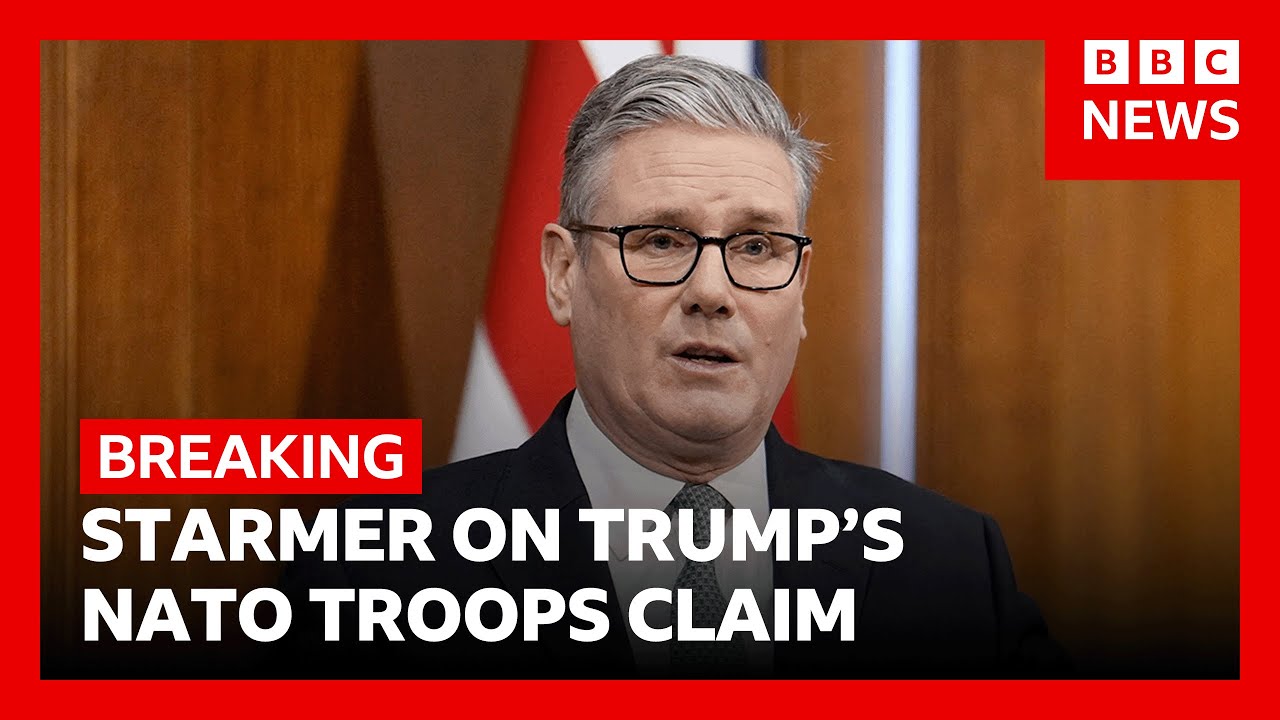
Such sentiments were highlighted recently when President Trump dismissed the necessity of NATO allies in a televised interview with Fox News. The implications of his remarks were both historically inaccurate and deeply offensive to those who fought on the ground. Dr. Patrick Buri, a former NATO analyst and veteran who served in Helmand Province, articulated the profound disconnect between the President’s narrative and the reality experienced by troops.
Dr. Buri’s firsthand experience lends weight to the discussion. He emphasized that the sacrifices made by not just British troops, but also those from Denmark, Canada, and other nations, went beyond political agreements. They represent a commitment to mutual defense and a collective ethos borne from shared risks and engagements in conflict. "We fought together as brothers," he stated, capturing the essence of camaraderie that defines military service.
Furthermore, the notion that NATO allies, including those who faced formidable challenges on the front lines, did not contribute significantly is patently false. Many nations deployed their forces into high-risk areas, sharing the burden of conflict with American troops, and incurring heavy casualties. For Dr. Buri and his comrades, the sacrifices were not merely numbers; they represented lives lost and friendships forged amidst the chaos of war.
The commentary surrounding military contributions in Afghanistan raises ethical questions about the acknowledgment of sacrifice and shared history. The loss of life should never be reduced to a simple tally of casualties to score political points. Each statistic represents a human being, a family left grieving, and a community that has paid the price for the ideals of freedom and democracy.
As NATO faces the future, these discussions around leadership and respect for collective sacrifice become all the more critical. President Trump’s remarks risk undermining the foundation of transatlantic cooperation built over decades. Disregarding the contributions of partner nations and those who made the ultimate sacrifice could have damaging implications for NATO’s unity and effectiveness.
We must continue to advocate for understanding and honor the legacy of our service members who fought valiantly in Afghanistan. Ensuring their sacrifice is remembered accurately in the narrative of history is not just a moral imperative; it is essential for maintaining strong alliances in the complex landscape of international relations.
Ultimately, it is our duty to defend the honor of those who served, to demand accountability from our leaders, and to foster a respectful discourse surrounding the sacrifices made. In doing so, we uphold a commitment to truth and respect for those who willingly put their lives on the line for shared values and mutual defense.