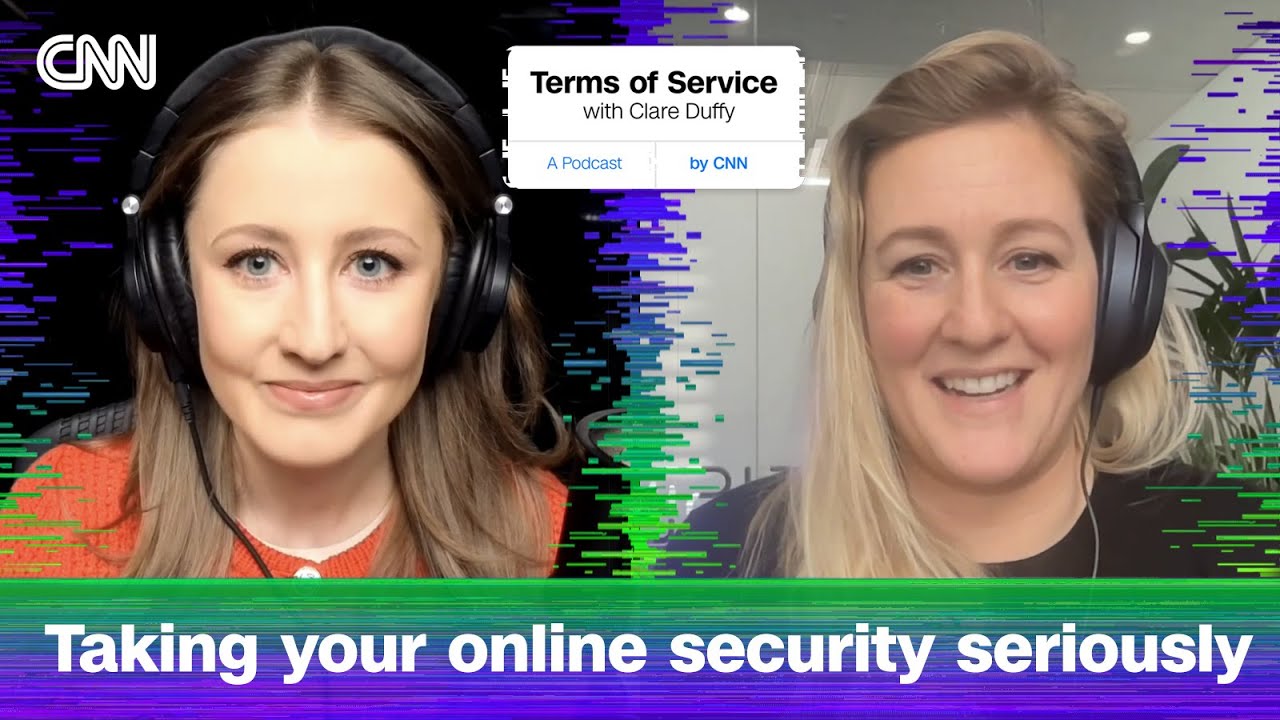
Rethinking Online Privacy: An Interview with Proton’s Security Expert Patricia Edgar
In an age where data breaches and online security threats dominate headlines, conversations about privacy have gained unprecedented urgency. During a recent discussion with Patricia Edgar, the head of security at Proton, a private end-to-end encrypted email service, it became clear that understanding the importance of online privacy is not just a luxury but a necessity.
Founded in 2014 in Switzerland, Proton aims to offer an alternative to conventional tech services that often prioritize user data over user privacy. Its suite of products—ranging from encrypted email to cloud storage and VPN services—reflects a commitment to safeguarding users’ sensitive information. Edgar, with her extensive background in mathematics and cybersecurity, gives insight into why Proton stands apart in a saturated digital landscape.
The Security Dilemma
Edgar explains that the primary problems Proton seeks to address are twofold. Firstly, before Proton Mail existed, users often faced a trade-off: they could choose either convenience or privacy. Proton strives to bridge this gap. The service is designed for users who may not grasp the intricacies of encryption but still wish to safeguard their communications. “We want to bring privacy to the masses,” Edgar emphasizes.
The second issue revolves around business models. Many tech companies profit by selling user data to advertisers. Proton, however, operates on a subscription-based model. Users pay for services, enabling the company to stay ad-free and uphold user privacy without compromising on quality.
Daily Security Challenges
In her role, Edgar tackles various daily challenges. These include identifying emerging threats, ensuring that her team has adequate resources, and maintaining a clear understanding of risks, from cyberattacks by malicious actors to natural disasters that could disrupt operations. “It’s essential to have a holistic view of security,” she notes, indicating that protecting users’ privacy requires vigilance across multiple fronts.
Edgar also underscores an often overlooked aspect of cybersecurity: human error. Regular training and awareness initiatives are crucial to minimize the impacts of mistakes that can otherwise prove calamitous.
Why Privacy Matters
Many individuals dismiss privacy concerns with the justification "I have nothing to hide." Edgar argues that this mindset is misguided. “It is not about having something to hide but about self-control over one’s data,” she asserts. Just as one closes the bathroom door for modesty, individuals should actively seek to protect their personal information online.
Furthermore, the relationship between security and privacy is undeniable. Falling victim to a data breach can expose users to a new wave of threats. Edgar warns that data leaks often lead to further complications, such as phishing attempts. Thus, online privacy is a prerequisite for online security.
The Evolution of Digital Communication
Edgar explains that Proton’s end-to-end encryption distinguishes it from traditional email services like Gmail. While the latter encrypts data in transit, users remain vulnerable as the company retains access to their messages. Proton’s model ensures that only the sender and recipient can decrypt the content, even in the event of a breach. This “envelope” analogy aptly illustrates how Proton protects users’ privacy—by ensuring that even if the envelope is intercepted, its contents remain hidden.
As the political landscape shifts and governments increasingly collaborate with tech firms to harvest data, the importance of secure communications escalates. Edgar notes a spike in user interest in Proton’s offerings during periods of heightened governmental surveillance, reinforcing the pressing need for privacy-focused solutions.
Making a Change
For those looking to enhance their online security, Edgar recommends starting with email. Given its role in digital identity and authentication, securing this foundation can significantly improve overall privacy. A password manager is another critical tool, enabling users to manage complex passwords efficiently and mitigate risks associated with password reuse.
Transitioning toward a more secure email platform, such as Proton, doesn’t have to be daunting. Edgar advises users to set up automatic forwarding from their old account during the transition period. This way, essential communications won’t be stranded, easing the adjustment process.
The Path Forward
In a world saturated with digital platforms, users often overlook the risks associated with their online presence. Edgar analogizes this to decluttering a home; the fewer apps and platforms one uses, the easier it becomes to manage data security. As cyber threats continue to evolve, awareness and proactive measures are paramount.
Ultimately, Edgar’s insights serve as a call to action: online privacy is vital, and taking steps to protect it is within everyone’s reach. Whether through Proton’s services or other privacy-conscious tools, individuals can make informed choices that enhance their digital security and uphold their right to privacy.