An Era of Stark Political Transition: America’s Response to Leadership Shift
The current political climate in the United States reflects a seismic shift in governance and public sentiment. As President Trump enters a later phase of his administration, his actions stir both discontent and approval among the populace. There is palpable tension, as evidenced by various recent events from Venezuela to Greenland, which have left many Americans grappling with the implications of their nation’s role on the global stage.
The unfolding drama in Venezuela epitomizes a new approach to interventionism, one that some consider imperialist. While the Trump administration defends its actions as necessary for regional security, critics argue that the right to self-determination belongs to the citizens of any nation. Polls indicate that public support for U.S. intervention in foreign affairs is tepid at best, with only 35% of Americans approving of intervention in Venezuela and minimal enthusiasm for military endeavors to secure Greenland.
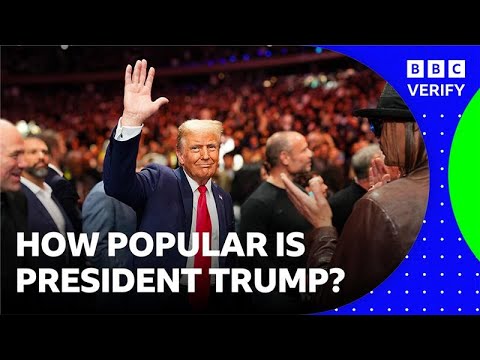
The complications intensify when we examine the broader implications of the president’s approval ratings, which hover around 40%. This stability, sustained amidst turmoil, suggests an entrenched supporter base. For many Republicans, Trump embodies a fortress of American protectionism, especially at a time when international dynamics appear precarious. However, worldwide reactions to his controversial policies signal a more complicated global narrative, often depicting America’s bold maneuvering as a jarring departure from long-held diplomatic norms.
Public sentiment mirrors this complexity, with many citizens expressing disappointment and frustration. Despite the challenges, a segment of the population feels that in breaking with traditional diplomatic decorum, Trump is simply attempting to enact necessary change. "Sometimes you have to break an egg to make an omelette," argues one supporter, reflecting the mindset that justifies disruption for the sake of progress. This sentiment, however, runs counter to the ideal of democracy, which values the voices of local citizens over external interventions.
The upcoming midterm elections present a crucial juncture for Americans to voice their sentiments. With dissatisfied citizens rallying against Trump’s actions, including protesters and organized opposition, there’s a palpable undercurrent of unrest regarding his vision of leadership. The economic landscape adds another dimension to this discontent. As consumer prices continue to rise amidst economic growth, many Americans feel the strain of inflation. Issues such as the economy are top-of-mind for voters and can heavily influence their perceptions of presidential performance.
What remains baffling is the seemingly muted response from those who oppose Trump’s agenda. Historically, Americans have been more vocal when discontent simmers. Yet, many believe that a disillusioned populace still struggles to grasp the gravity of the situation, as the realization dawns that significant political shifts can happen in their own backyard. There is an inevitable comparison to other nations where democratic values have come under siege.
Despite uncertainties, there remains hope. For many, President Trump represents a rite of passage for American leadership—redefining roles and expectations in an increasingly complex world. In trusting his leadership, some Americans cling to the notion that the country, ultimately, is resilient. They believe that navigating through this tumultuous period can yield a stronger, more united America.
As the landscape continues to shift, one thing is clear: Americans are at a crossroads. The interplay of domestic pressures, global responsibilities, and evolving political norms serves as a backdrop to an indispensable national dialogue. Individuals must reckon with the levels of discontent and enthusiasm alongside their desire for a coherent and safe national identity. This moment demands reflection, adaptation, and perhaps most importantly, active engagement in the democratic process. The path forward will not be easy, yet it is within these moments of uncertainty that the true character of a nation often shines brightest.