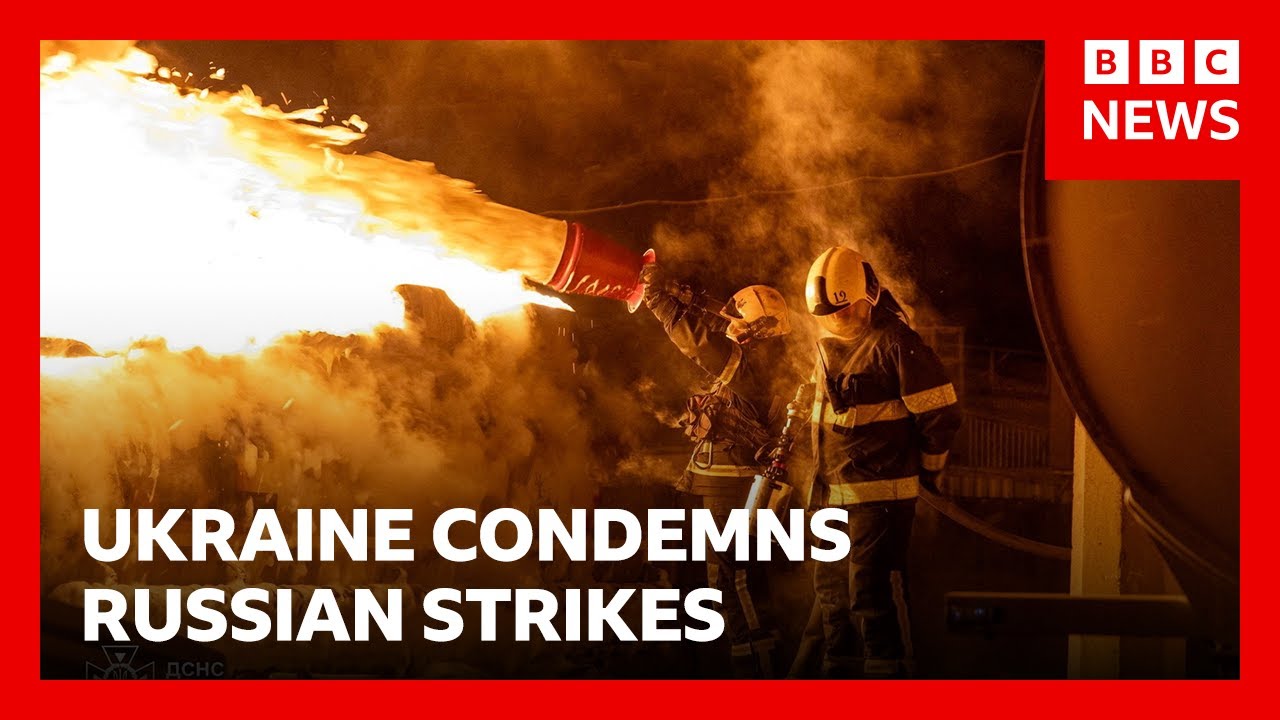
In the wake of recent Russian airstrikes, Ukraine finds itself grappling with humanitarian crises and ongoing tensions surrounding peace negotiations. These strikes, which occurred overnight and targeted civilian infrastructure, resulted in one fatality and left 15 others injured. Amidst an air raid alert, cities like Kyiv experienced significant disruptions, with nearly 6,000 buildings losing heating as temperatures plummeted to minus 11 degrees Celsius.
Kyiv’s mayor, Vitali Klitschko, reported extensive damage, not only to homes but also to military bases. As Ukraine’s Foreign Minister articulated, the strikes signify more than just a military assault; they aim to undermine the prospect of negotiations. The missiles have struck civilian centers and conservation discussions alike. As talks between Ukraine, Russia, and the United States convene in Abu Dhabi—the first of their kind since Russia’s full-scale invasion began four years ago—the stakes have never been higher.
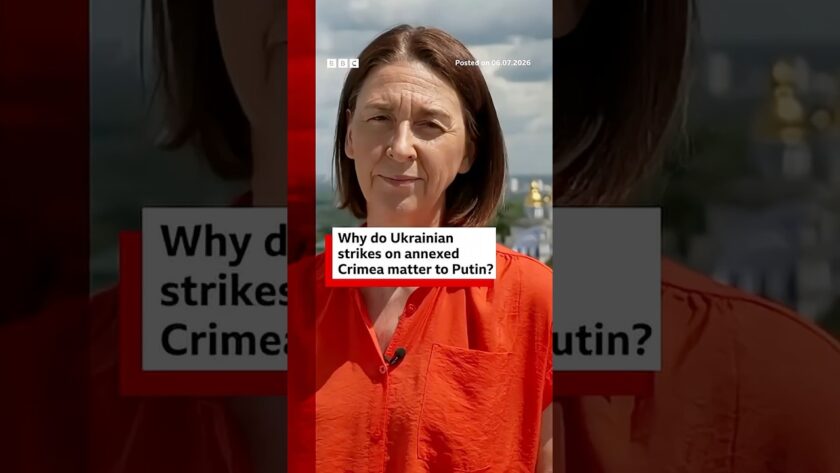
Negotiations around the territorial disputes remain a central, unresolved issue. Before 2022, Russia annexed Crimea and parts of Eastern Ukraine. Since then, it has expanded its territorial ambitions, making regions like the Donbass particularly contentious. Ukraine has steadfastly defended these territories, considering them vital to its sovereignty. However, the starting positions of both sides in the upcoming talks remain unchanged, casting doubt on the likelihood of reaching any meaningful agreement.
As articulated by Eastern Europe correspondent Sarah Reignsford, the format of these discussions is novel, featuring senior delegates from all parties involved. Yet, without a common ground on territorial demands, hopes for progress appear dim. Russia continues to demand the surrender of significant portions of Eastern Ukraine, fundamentally clashing with Ukraine’s commitment to retain its territorial integrity.
The humanitarian implications of the conflict are dire. The ongoing Russian attacks have crippled essential services, leading to power outages and heating shortages across Kyiv. Many families find themselves without electricity and shelter, forced to huddle in makeshift heating tents as temperatures drop. Lydia, a resident affected by the blackout for the past five days, expressed the despair felt by many Ukrainians. Despite their yearning for peace, there is palpable resentment toward President Vladimir Putin, who is perceived as deliberately inflicting suffering on the Ukrainian population.
Despite public pessimism surrounding the Abu Dhabi meeting, some high-ranking officials maintain a semblance of hope. President Volodymyr Zelenskyy has asserted that this is a critical juncture in the negotiations, stating that “this is the last mile.” However, skepticism remains rampant among the populace. Many Ukrainians view Russia’s daily missile launches and air raids as a stark indication of its readiness to engage peacefully.
Abdul Jalil Abdul Razalov, another correspondent based in Kyiv, captured the prevailing sentiments. The ongoing instability and aerial attacks, which involved over 20 missile launches in recent days, intensify fears of a humanitarian catastrophe. Much of the city now faces emergency power cuts, and basic amenities are dwindling.
Discussions around possible concessions paint a stark picture. Both Russia and Ukraine are entrenched in their positions, particularly regarding territorial claims. Moscow insists that there can be no agreement without the acquisition of Donetsk and Luhansk. Conversely, Ukraine maintains that any territorial adjustments require public consensus through a referendum. Yet, they find themselves in a deadlock: achieving a ceasefire to facilitate such a referendum seems improbable without a fundamental change in either party’s stance.
As Ukraine faces an uncertain future, the path towards peace remains fraught with complexities. The international community watches closely, hoping for resolution yet bracing for the continuation of this prolonged conflict. Until there is a genuine commitment from both sides to address the humanitarian needs and territorial disputes at the core of the conflict, meaningful progress appears elusive. The situation demands not only strategic negotiations but also a renewed focus on the wellbeing of those caught in the crossfire.