Implications of Blocking Andy Burnham’s Candidacy in Gorton and Denton
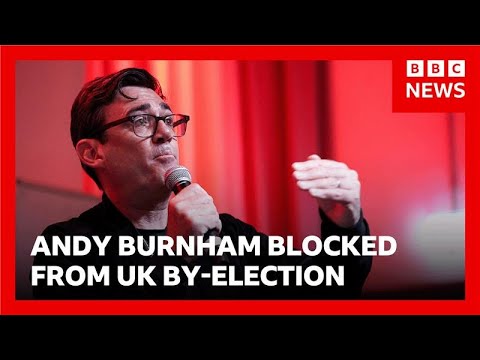
The recent decision by Labour’s National Executive Committee (NEC) to block Andy Burnham from standing in the forthcoming parliamentary by-election in Gorton and Denton has sparked significant discourse within political circles. Burnham, currently serving as the directly elected mayor of Greater Manchester, sought approval to contest the seat after it was vacated. However, the NEC’s apprehensions—primarily concerning the potential upheaval a mayoral election could impose—ultimately influenced their ruling.
The backdrop to this decision is fraught with considerations, not least the political dynamics surrounding Labour leader Keir Starmer. NEC members voiced concerns that Burnham’s return to Westminster could instigate aspirations for a leadership challenge. The worries extend beyond internal power struggles; they tap into deeper anxieties regarding Labour’s overall strategy heading into a pivotal election cycle.
Home Secretary Shabana Mahmood articulated the party’s rationale, suggesting that while Burnham may aspire to return to Parliament, his allegiance to Starmer was clear. She emphasized her trust in Burnham and highlighted his declarations supporting Starmer’s leadership. This statement underscores a delicate balance many within Labour wish to maintain—supporting a unifying figure in Starmer while also acknowledging the broader ambitions of prominent party members like Burnham.
Emma Bernell, editor of Labour List, noted that the decision was somewhat predictable, citing a prevailing sense of factional loyalty within the NEC. The implications of this ruling, however, may be more nuanced. Programs designed to fortify unity may inadvertently create rifts, particularly when factional interests appear to dictate strategic decisions. Bernell observed that attempts to quash leadership speculation surrounding Burnham might have the opposite effect. Suppressing potential contenders may weaken Starmer’s position, casting shadows of doubt on his leadership effectiveness.
Megan Kenyon, a political correspondent for the New Statesman, further elaborated on the repercussions of the NEC’s ruling. She indicated that dissenting voices within the Labour Party are emerging, illustrating a divide between those who support Burnham’s aspirations and those aligned with the current leadership. Prominent figures within the party, including Lucy Powell and Ed Miliband, openly criticized the NEC’s decision, signaling that the sentiment against such maneuvers is gaining traction.
The looming by-election presents a risk for Labour, as it navigates the complexities of voter sentiment amid unstable national polling. The potential loss of Gorton and Denton could be catastrophic, echoing fears of vulnerability among Labour constituencies. The absence of Burnham on the ballot may diminish the party’s appeal in a region where he has historically enjoyed popularity, raising the stakes for Starmer’s leadership.
The decision not to allow Burnham to contest seems rooted in broader strategic calculations attributed to Starmer’s team. Allies argue that avoiding a divisive mayoral campaign could save the party considerable financial and political capital during a time of increasing economic strain—an assessment shared by some within Labour. The rationale posits that the focus should remain on addressing pressing concerns, rather than engaging in an "internal political theatre."
Yet, such an approach may not quell the incessant leadership speculation that continues to permeate Labour discussions. High-profile figures—like Wes Streeting—have been noted as possible contenders should dissatisfaction with Starmer persist. The communication between the public and the party’s internal dynamics hints at a potentially fractious environment in the lead-up to local elections set for May.
As the ramifications of the NEC’s ruling unfold, it highlights a significant moment for Labour. The party faces an intricate balancing act: both unifying its factions while avoiding the pitfalls of leadership challenges. It remains to be seen how Starmer will address the swirling speculation and assert his leadership, particularly as Gorton and Denton looms on the electoral horizon.
In conclusion, while blocking Burnham appears to be a defensive maneuver against potential discord, it may catalyze more substantial challenges for Starmer in the months ahead. The party must now grapple with its own identity and strategy as it moves into what promises to be a turbulent electoral climate.