The Labour Party’s Dilemma: Andy Burnham’s Candidacy Blocked
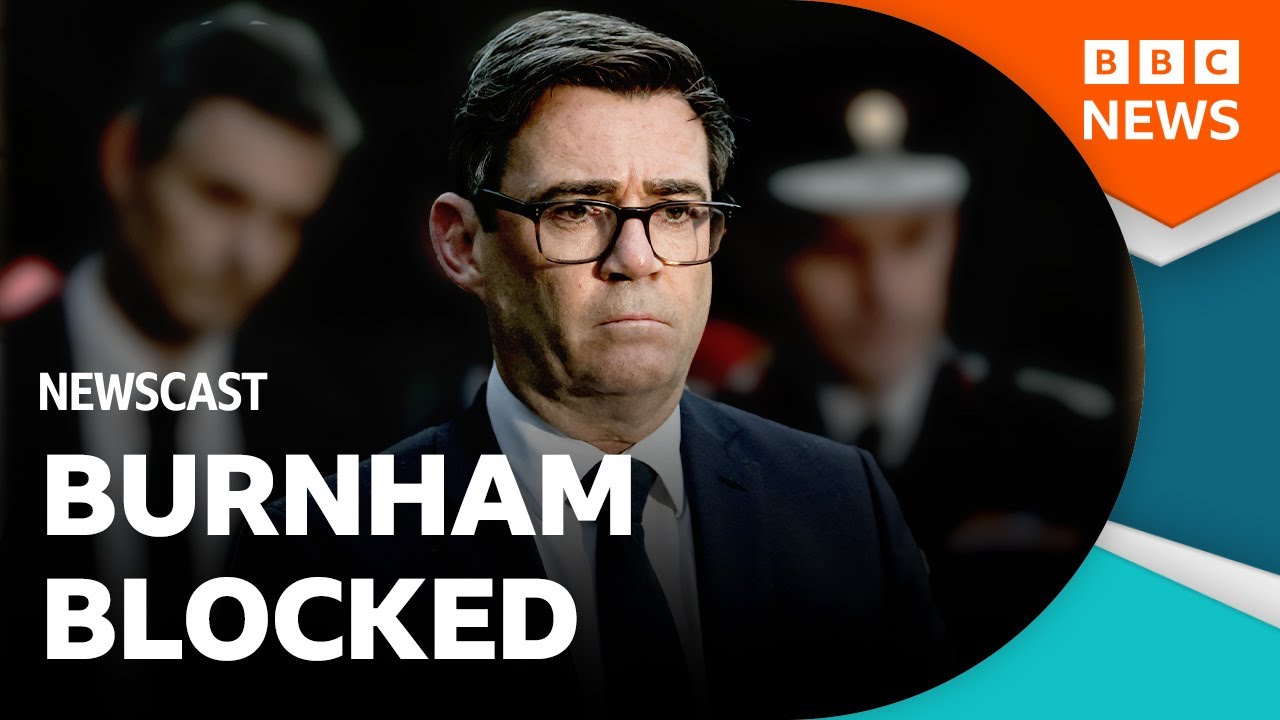
On a whirlwind Sunday marked by political drama, UK Labour Party officials announced a decision that has stirred deep tensions within the party. Andy Burnham, the Mayor of Greater Manchester, has been blocked from running as an MP in the Gorton constituency. This move has significant implications, not only for Burnham but also for Keir Starmer, the party’s leader, whose grip on leadership is perceived as increasingly tenuous.
Burnham, a formidable political figure, has openly expressed his ambitions for a future that could lead him to 10 Downing Street. This aspiration makes him a potential rival to Starmer, heightening the stakes of the decision. Starmer, under pressure to consolidate his leadership, sees blocking Burnham’s candidacy as a strategic maneuver to neutralize a potent threat. However, this strategic thinking reveals the precariousness of Starmer’s own position and raises questions about the unity within the Labour Party.
The Labour Party’s statement regarding Burnham’s candidacy highlights its internal struggles. According to the ruling National Executive Committee (NEC), directly elected mayors like Burnham must seek explicit permission before pursuing candidacy. The NEC justified its decision, arguing that a by-election in Greater Manchester would strain party resources and risk Labour’s control over the mayoralty. Yet, many within the party view this rationale as a smokescreen, indicative of deeper fears surrounding Burnham’s potential to dominate the political landscape.
The backlash within Labour has already begun. Many members and party loyalists are outraged by the perceived undemocratic nature of this decision. It raises pivotal questions: Is the party willing to sacrifice a rising star for the illusion of control? Critics argue that this decision reflects not a position of strength but rather a sense of vulnerability among Starmer and his allies. Indeed, many view the move as an indication of Starmer’s fear, not just of Burnham, but of the broader challenges posed by the reform movement, which is rapidly gaining traction among disillusioned voters.
Conversations among Labour insiders underscore the precariousness of this situation. Some suggest that blocking Burnham could create an internal rift that would distract from the party’s core objectives. Others believe that the decision to block Burnham is a tactical mistake that could ultimately backfire, reinforcing the notion that Starmer’s leadership lacks confidence. The fear of losing the upcoming mayoralty or a critical by-election places additional pressure on the Starmer camp, emphasizing the high stakes involved.
As political commentators analyze the implications of this decision, much attention is directed toward Shabana Mahmood, chair of the NEC, who is tasked with navigating the sensitive dynamics of this controversy. Mahmood’s subtle balancing act, as she tries to remain independent and diplomatic, is crucial. The internal party politics are fraught with potential implications for her standing in future leadership contests.
On another level, public sentiment has shifted toward a deeper understanding of the political landscape in the wake of the ongoing turmoil. Many within and outside the party recognize that Burnham’s role as Greater Manchester’s mayor is not merely as an administrator, but as a key political player in the national context. The potential loss of such a powerful figure to a backbench role may ultimately be more detrimental for Labour than any short-term benefits gained by blocking him.
The unfolding drama within the Labour Party serves as a mirror, reflecting wider tensions in British politics today. It underscores how political ambitions can create intricate webs of alliances and rivalries, blurring the lines between personal agendas and collective party goals.
As the party moves forward, it faces critical questions about its identity and direction. With divisions likely to intensify, Starmer’s leadership will be put to the test. Ability to unify disparate factions and articulate a coherent vision is imperative if Labour is to remain competitive against a resurgent Conservative Party and emerging challenges from reformist movements. In the political theatre, the stakes are undeniably high, and the resolution of this conflict may set a precedent for Labour’s future, for Burnham’s ambitions, and for the broader dynamics of UK politics.