The Rise of AI-Generated Misinformation: A Case Study from Kamchatka
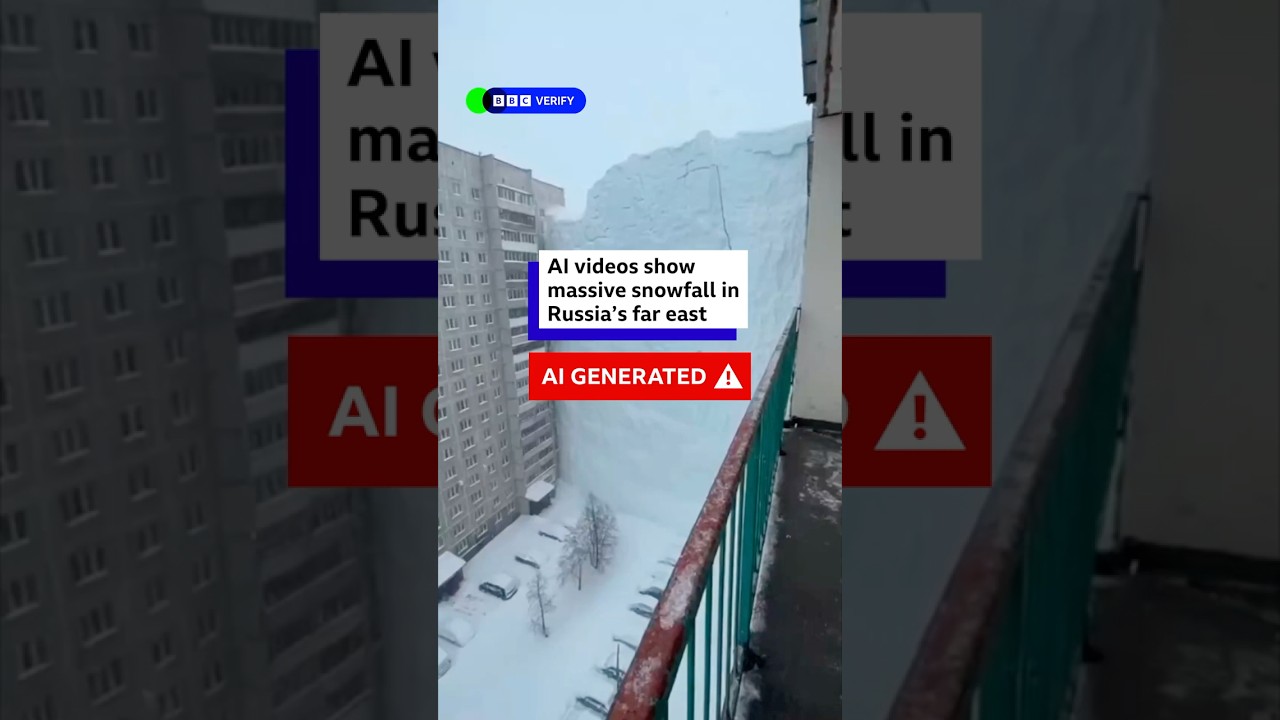
In recent years, the proliferation of misinformation online has become a pressing concern. One viral example that has caught the attention of many social media users involves a purported 18-story wall of snow collapsing in Kamchatka, a remote region in Russia’s far east. This video, along with dozens of others making similar claims, has garnered millions of views. However, it has come to light that these sensational clips are not authentic; they were generated by artificial intelligence. Understanding how we can identify such fabrications is crucial in our ongoing battle against misinformation.
The first indication that these videos are fake lies in their origin. Many of them were uploaded by the same account, a detail that often goes unnoticed by viewers. A closer inspection reveals that these videos were explicitly labeled as AI-generated. While some may not dig into the metadata or the specifics of the account, the fact remains that these markers should raise red flags. In an era when digital literacy is as essential as traditional literacy, it is imperative for viewers to engage critically with the content they consume.
Sound is another critical element that helps differentiate between reality and fabrication. In one of the videos, the noise accompanying the supposed snow collapse is distinctly not the sound one would expect from snow tumbling. Instead, viewers hear splashes—sounds indicative of water rather than snow. Such auditory cues can be telling, yet they require a discerning ear to pick up on the inconsistencies. This aspect highlights the need for heightened awareness among consumers of digital content.
Moreover, the visual details in these videos paint a vivid picture of their inauthenticity. In comparison to buildings typically found in Kamchatka, the structures depicted in the AI-generated videos are exaggeratedly tall. This discrepancy raises further questions about the veracity of the claims being made. It’s essential to provide context; Kamchatka is known for its unique architecture, which varies significantly from the towering edifices portrayed in these viral videos. As viewers, we must cultivate a habit of questioning the authenticity of what we see, recognizing that all visual information may not be rooted in reality.
While these AI-generated videos are misleading, they overshadow the real phenomenon of snow accumulation in Kamchatka. According to local figures, the region has recently experienced significant snowfall—over a meter and a half in some instances. This amount, while substantial, is still far from what would be required to bury a building as depicted in the fabricated clips. Understanding the actual snowfalls occurring in the region can help ground the dialogue in reality, allowing us to appreciate the natural environment of Kamchatka without succumbing to sensationalized narratives.
Social media algorithms often prioritize sensational content, leading to the rapid spread of misleading information. The allure of dramatic visuals can easily draw users in, often without critical evaluation. This aspect raises an important question: How do we, as consumers of digital content, navigate this landscape where misinformation often masquerades as fact?
One possible solution is education. Digital literacy programs should encourage critical thinking skills, teaching individuals how to scrutinize the source and content of the media they encounter. Institutions, educators, and families can play pivotal roles in fostering an informed populace that can effectively discern truth from fabrication.
In conclusion, the case of the supposed 18-story snow collapse in Kamchatka serves as a cautionary tale about the power of AI-generated misinformation. By cultivating a critical eye and an inquisitive mind, we can better equip ourselves to navigate an increasingly complex digital world. While the marvels of AI offer unprecedented opportunities, they also pose significant challenges. It’s up to us to ensure that the narratives we consume are grounded in fact, rather than fiction.