Life Sentence for Tetsuya Yamagami: The Aftermath of a Political Assassination in Japan
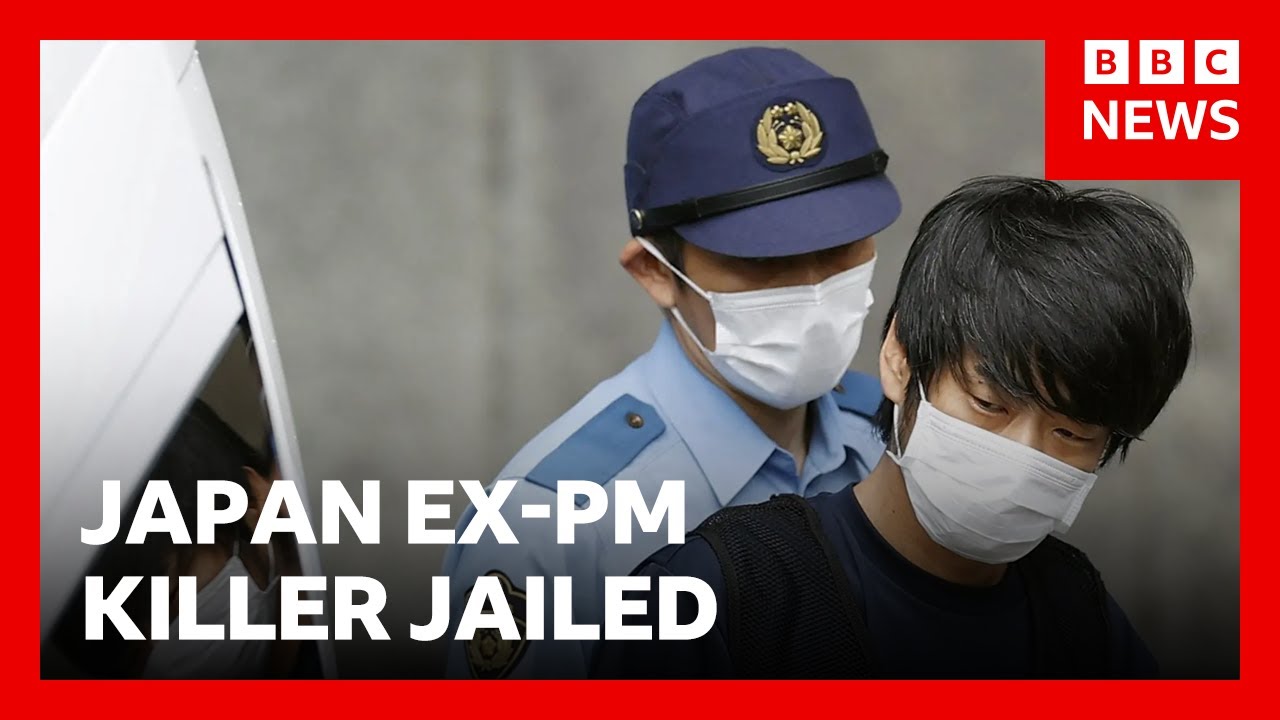
In a highly anticipated ruling, a Japanese court has sentenced Tetsuya Yamagami to life in prison for the assassination of former Prime Minister Shinzo Abe. The events surrounding Abe’s killing on July 8, 2022, sent shockwaves throughout Japan, a nation where gun violence is exceptionally rare due to stringent laws governing firearm possession.
During the court proceedings, Yamagami pled guilty to the charge of murder, although he contested several other indictments. The court observed him quietly listening to the sentencing, hands clasped in his lap, reflecting a demeanor that suggested little emotion. Prior to this, a significant crowd of nearly 700 individuals gathered outside the courthouse, eager for a glimpse of the proceedings and a voice in a case that has gripped the nation.
Shinzo Abe, an influential figure not just in Japanese politics but also in the broader cultural landscape, was gunned down while addressing a crowd at an election rally. The weapon used was homemade, a fact that underscores Yamagami’s determination and premeditated approach to the assassination. Prosecutors argued that Yamagami was driven by a deep-seated animosity toward the Unification Church, an organization that exerted considerable influence in Japan and had close ties to Abe’s Liberal Democratic Party (LDP).
Yamagami’s motivations were brought to light during the trial, where he revealed the struggles of his upbringing, largely shaped by his mother’s fervent commitment to the controversial church. His testimony painted a poignant narrative of manipulation and exploitation, suggesting that his actions were not solely politically motivated but rooted in personal grievance. The connection between Abe and the Unification Church only intensified Yamagami’s resolve, leading him to view the assassination as a solution to his grievances.
The implications of Abe’s assassination extend beyond the immediate tragedy of his death. The incident catalyzed an exhaustive scrutiny of the Unification Church, unveiling troubling practices that included soliciting exorbitant donations from its adherents, often leaving them financially battered. This investigation revealed the institution’s significant links to the LDP, specifically to Abe’s faction, triggering a scandal that rocked the very foundation of Japan’s political landscape. The fallout was swift; several cabinet ministers faced resignations in the wake of these revelations.
The shock of an assassination in Japan is profound, not merely due to the identity of the victim but also the chilling reality of gun violence in a society that prides itself on safety. Cultural values steeped in community and harmony were jolted as the nation confronted the implications of such an act. The incident stirred a national conversation on the political climate, social justice, and the repercussions of blind loyalty to powerful organizations, prompting citizens to reevaluate the influence of groups like the Unification Church in their lives.
What followed was not only a tightening of scrutiny over such organizations but also an urgent call for greater transparency in political funding and affiliations. This introspection signifies a pivotal moment in Japanese society, where questions surrounding influence, power, and accountability can no longer be brushed aside.
As Tetsuya Yamagami faces a lifetime behind bars, the shockwaves of his actions continue to reverberate across Japan. The assassination of Shinzo Abe serves as a grim reminder of the complex interplay between personal turmoil and political power, forcing the nation to grapple with the consequences of unchecked influence and the fragility of peace in a world where ideological convictions can lead to heinous acts.
In summary, the life sentence handed down to Yamagami encapsulates not only the judicial response to violence and murder but also symbolizes a larger reckoning within Japanese society. The winds of change may blow in the aftermath, haunting not just the lawmakers but every individual impacted by this tragic catalyst of reflection and change.