As temperatures plummet and wind chills drive the cold deeper into our bones, medical and safety professionals are urging the public to recognize the serious risks associated with extreme winter weather. Although you may step outside feeling invincible, it’s essential to dress appropriately for the conditions and plan your day with the cold in mind. Ignoring these precautions can put you at a greater health risk than you might initially realize.
The importance of layering cannot be overstated. Take, for instance, a construction worker I encountered along the bustling Danforth this morning. He explained that he ensures his team is well-prepared for the cold by donning multiple layers and taking regular breaks to warm up. This is a sound strategy, especially for those who work outdoors. Prolonged exposure to frigid temperatures compromises your body’s ability to maintain its core temperature, thereby threatening circulation to extremities such as ears, nose, fingers, and toes.
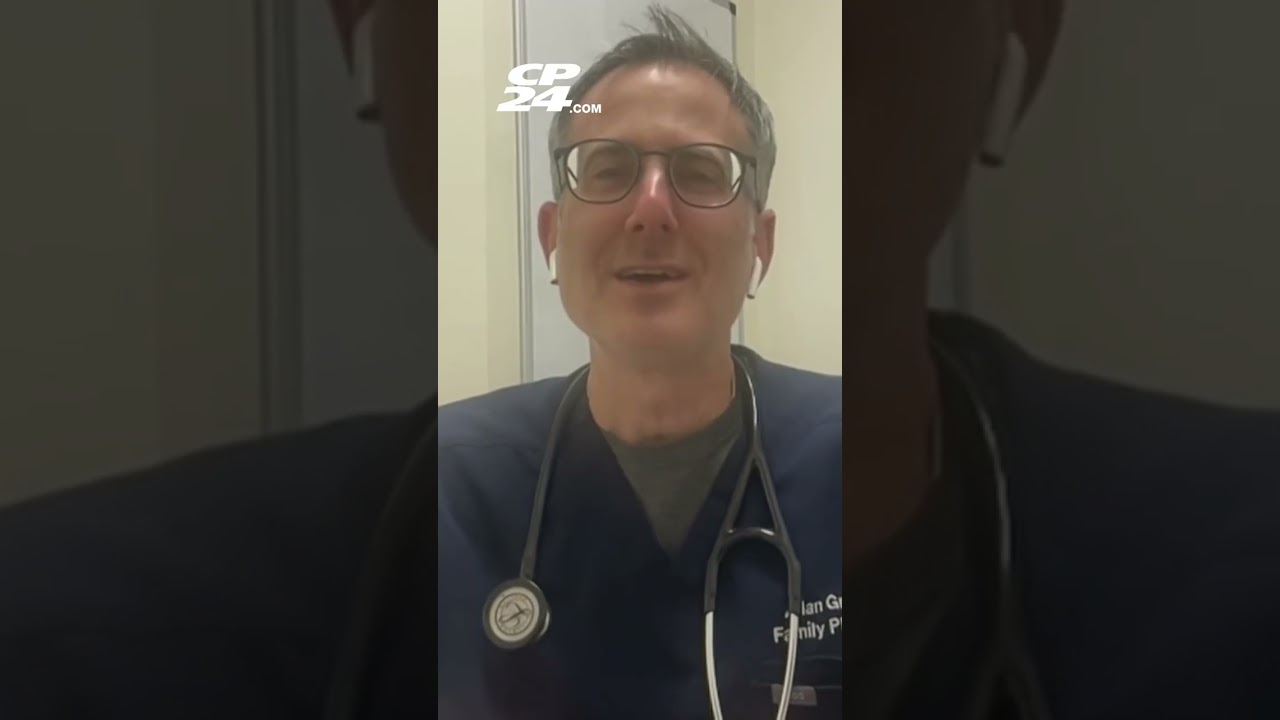
I also took the opportunity to speak with Dr. Alan Gur, who highlighted the dangers posed by such low temperatures. When the body is subjected to cold, it instinctively constricts blood vessels to preserve heat, which can result in poor circulation. Dr. Gur emphasized the necessity of limiting your time outdoors during severe cold snaps, especially for vulnerable populations who may already be at risk.
The city’s response to these serious weather conditions has included the opening of additional warming centers. Just yesterday, a new center was established at Sherbourne, providing a safe haven for individuals experiencing homelessness. Such facilities offer a vital lifeline during extreme cold, equipped with beds and hot meals. It’s crucial for community members to be aware of these resources, especially when temperatures dip below -15 degrees Celsius, and in some cases plummet to -30 or even -35 with windchill.
Navigating the frigid landscape requires more than just appropriate clothing. For many who would ordinarily brave the wintry streets, the cold has significantly reduced foot traffic. While the roads bustle with vehicles, many pedestrians have opted to seek alternative means of transportation this morning—whether that be waiting for a ride or relying on public transit to avoid the biting cold.
People’s reactions to this weather are mixed. I spoke with a gentleman who had moved to the area from the Netherlands. Surprisingly, he relishes the winter experience, saying that there’s much to appreciate in a city that offers both snowfall and a vibrant atmosphere. This perspective stands in contrast to another conversation I had with a woman who fully understood the need to bundle up on such a chilling day, reinforcing the idea that personal experiences shape our perceptions of the season.
The cold can be exhilarating, but it also has a darker side that should not be ignored. Keeping warm is not just a matter of comfort—it’s a matter of health and safety. Understanding the risks can empower individuals to make informed choices about how they venture out into the elements. Those who must work outdoors need to take proactive measures—layering clothes, monitoring their health, and taking breaks—while the wider community should remain aware of warming center locations and advocate for the vulnerable populations that winter can affect the most profoundly.
As we settle into these colder months, the message is clear: Prepare. Dress properly and stay informed about resources. By respecting the cold, we can better protect ourselves and those around us from its potentially harmful effects.