Iran’s Unprecedented Strife: The Human Toll of Protest Crackdowns
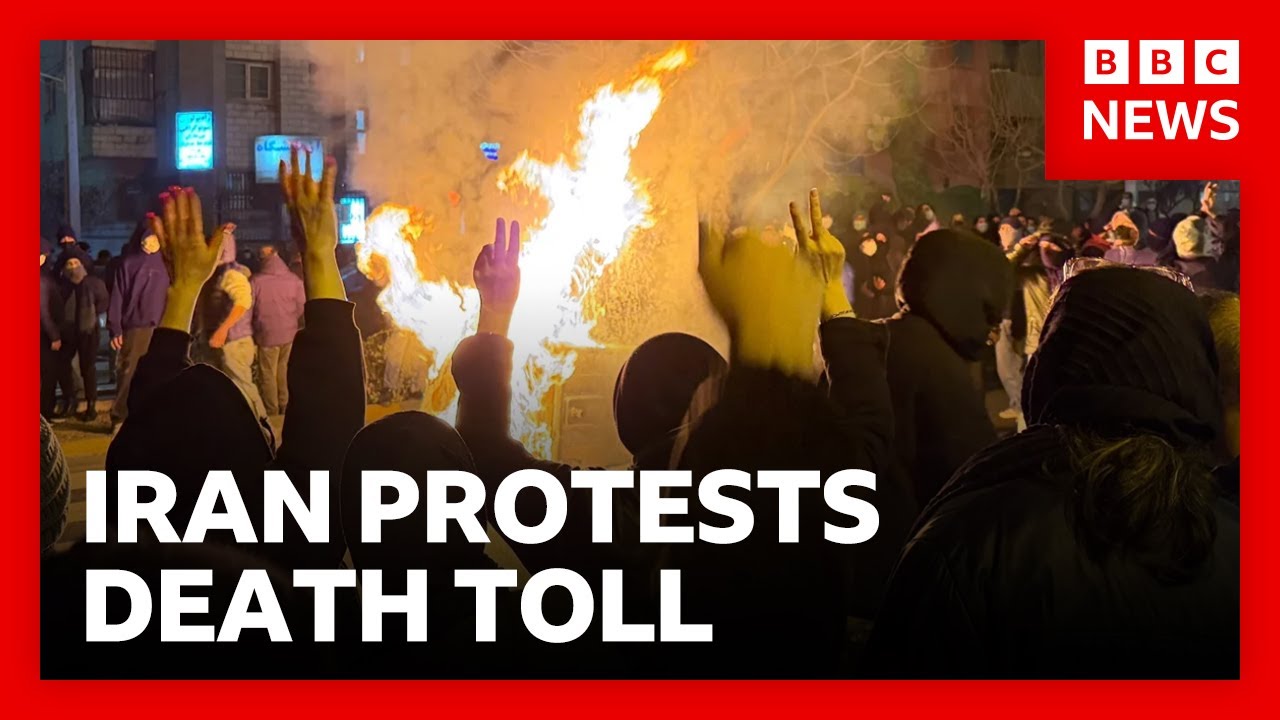
The situation in Iran has escalated dramatically since late December, when anti-government protests erupted in Tehran due to deteriorating economic conditions. This wave of unrest has become one of the deadliest in the Islamic Republic’s history, claiming over 6,000 lives, according to a human rights group based in the United States. The group is now investigating reports that could tally another 17,000 deaths. The full scope of this tragedy remains obscured, exacerbated by a regime-imposed internet blackout that stifles communication and information dissemination.
The protests reflect widespread discontent and disenfranchisement among the Iranian populace. Eyewitnesses have reported that security forces used live ammunition against demonstrators, with accounts describing horrific scenes of violence. According to testimonies, security personnel fired from motorbikes and rooftops, leading to what many are dubbing a "massacre." In the midst of these events, the Iranian government has taken steps to curtail medical assistance to the injured, searching hospitals for protesters in a bid to silence dissent.
The human cost of these protests is staggering. A significant portion of the confirmed casualties includes innocent bystanders and children. As reports of mass killings continue to emerge, the fear and trauma experienced by survivors is palpable. Many individuals, terrified of being arrested or further victimized, are refusing hospital treatment. Volunteer medics have stepped in to provide care in clandestine settings, trying to heal the wounded while risking their own safety.
The story of ‘Baby Ryder,’ a 19-year-old social media influencer, exemplifies the regime’s harsh crackdown. Initially reported to have died in an accident, her family is alleged to be under pressure to maintain this narrative. However, close friends revealed that she was shot by security forces, highlighting the grave risks faced by young voices advocating for change.
In the backdrop of this humanitarian crisis, the geopolitical ramifications are unfolding rapidly. President Donald Trump has hinted at potential military intervention in response to Iran’s brutal repression. Warships and military assets have been positioned in the region, including the USS Abraham Lincoln aircraft carrier, which has augmented America’s already significant military footprint in the Middle East. This buildup of force includes advanced fighter jets and transport aircraft, indicating preparations for possible military action.
While analysts debate the implications of a U.S. strike, the potential targets remain ambiguous. Past U.S. operations have focused on Iran’s nuclear infrastructure, but future actions could directly target the regime or its military apparatus, specifically the Iranian Revolutionary Guard Corps (IRGC). The unpredictable nature of the region complicates these considerations, as military actions could provoke severe repercussions, both regionally and globally.
Iran has responded defiantly, showcasing its missile capabilities and declaring readiness to retaliate against any form of aggression. This stance is underscored by a recent promotional campaign, asserting its military prowess through billboards in Tehran. The complexities of the situation underscore the dangers of escalation, not just for Iran but for the stability of an already volatile region.
The Iranian people find themselves at a crossroads—caught between an oppressive regime and the desire for reform. As the international community watches, the question remains: will decisive global action emerge to support the Iranian public’s quest for justice? The answer will hinge on a delicate interplay of diplomacy, military readiness, and the fundamental rights of those yearning for change.
In the end, the events unfolding in Iran serve as a grim reminder of the fragile nature of human rights in the face of authoritarian rule. The streets of Tehran tell a story of resilience, pain, and hope for a future where the voices of its people can be freely heard. The world can no longer afford to ignore the plight of those demanding justice in Iran. The stakes are too high, and the consequences too great.