The Rise of the "Dirty Oil Scam": A Cautionary Tale for Private Car Sellers
In the ever-evolving landscape of private car sales, potential sellers must navigate a myriad of scams. One particularly insidious fraud has emerged, known as the “dirty oil scam,” which targets unsuspecting individuals hoping to sell their vehicles. This scam not only undermines trust but also has severe financial ramifications for victims.
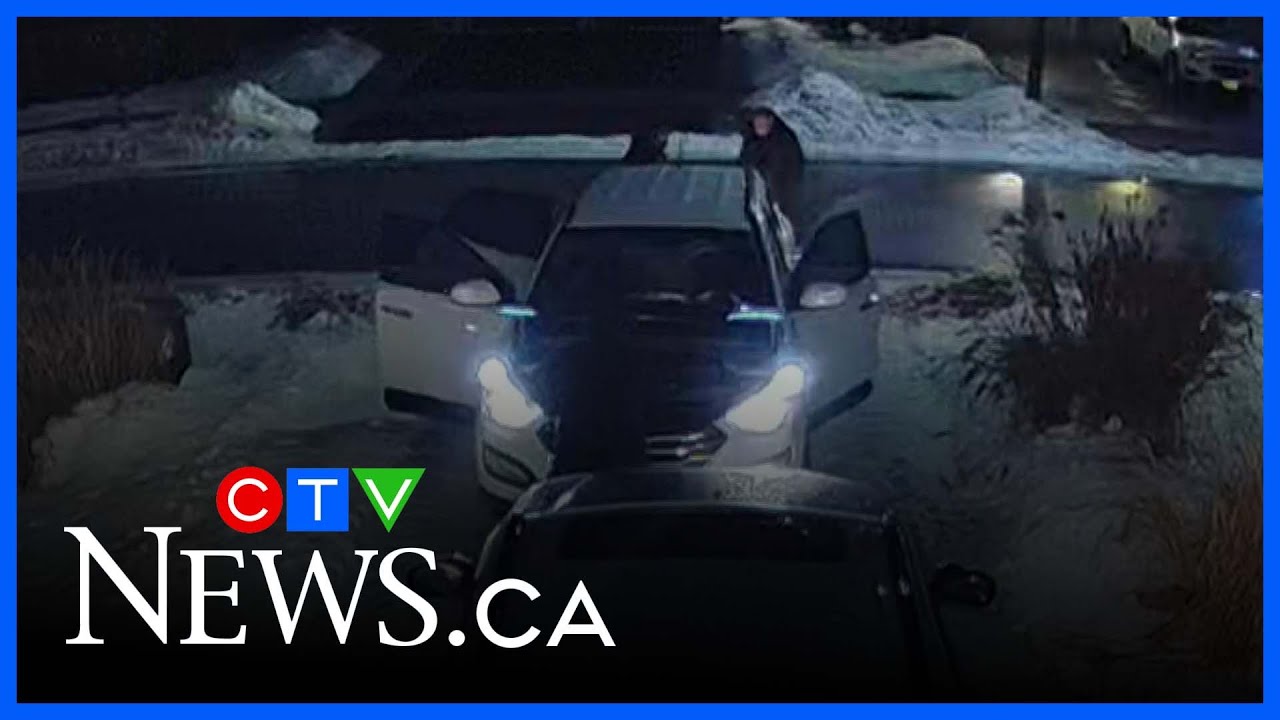
Mark Rafie and Carol Crawford from Paris, Ontario, recently became victims of this scam while attempting to sell their 2016 Hyundai Santa Fe. Listing the vehicle on Facebook Marketplace for $7,000, they anticipated a straightforward sale. However, the dynamics shifted dramatically when two prospective buyers arrived one evening. While one individual occupied Rafie’s attention by inspecting the trunk, the other stealthily opened the hood of the car.
In a deceitful act, the second man sprayed oil throughout the engine compartment. As the first buyer prepared for a test drive, the accomplice inserted a liquid into the tailpipe. When they returned to the driveway, the vehicle emitted a thick plume of white smoke, raising alarm bells about its seemingly dire mechanical condition. "There’s oil everywhere," one of the scammers exclaimed, instilling panic in Rafie. What began as a hopeful sale spiraled into a nightmare.
Feeling cornered, Rafie was coerced into lowering his asking price to an astonishing $1,000—desperate to rid himself of what he was led to believe was a worthless car. Unbeknownst to him at that moment, they had effectively become prey in a carefully orchestrated scheme.
Victims like Rafie often express a profound sense of violation after such encounters. "I feel violated,” Rafie said, illustrating the emotional toll that scams can inflict. In a world where trust is paramount—especially in transactions involving significant sums—being deceived can shake one’s sense of security.
Following the sale, Rafie and Crawford reviewed their security footage, only to discover the full extent of the scam. They saw the duo’s calculated actions unfold and the realization hit home: they had been scammed. The emotional fallout was compounded by the loss of $6,000, an amount that could have been put to better use.
According to auto fraud investigators, the mechanics of the dirty oil scam involve creating a false narrative around a car’s condition. The criminals’ technique of applying oil not only creates physical evidence of a problem but also plays on the insecurities and lack of expertise many sellers have regarding vehicle mechanics. This tactic is designed to persuade sellers that their cars have sustained catastrophic damage, ultimately leading them to accept offers significantly lower than their vehicle’s value.
Most private car sales occur smoothly, but the instances of fraud can dampen the experience for legitimate sellers. If a situation feels off—if a buyer is overly pushy or the circumstances seem suspicious—it’s crucial to prioritize personal safety and peace of mind. Canceling a sale or expressing a change of heart is always an option. When in doubt, don’t hesitate to involve authorities; a simple call to the police can provide an added layer of security.
The dirty oil scam serves as a crucial reminder: vigilance is essential for anyone looking to sell a used car privately. Educating oneself about possible scams and knowing the red flags can go a long way in preventing a tragic financial loss.
As the landscape of private sales continues to shift, being informed and cautious is key. By taking proactive measures, sellers can turn the odds in their favor, ensuring that their transactions are both safe and beneficial. If you have concerns about consumer scams or have your own experiences to share, resources are available to report and discuss these issues further. Awareness is the first step in protecting oneself from fraudulent schemes.