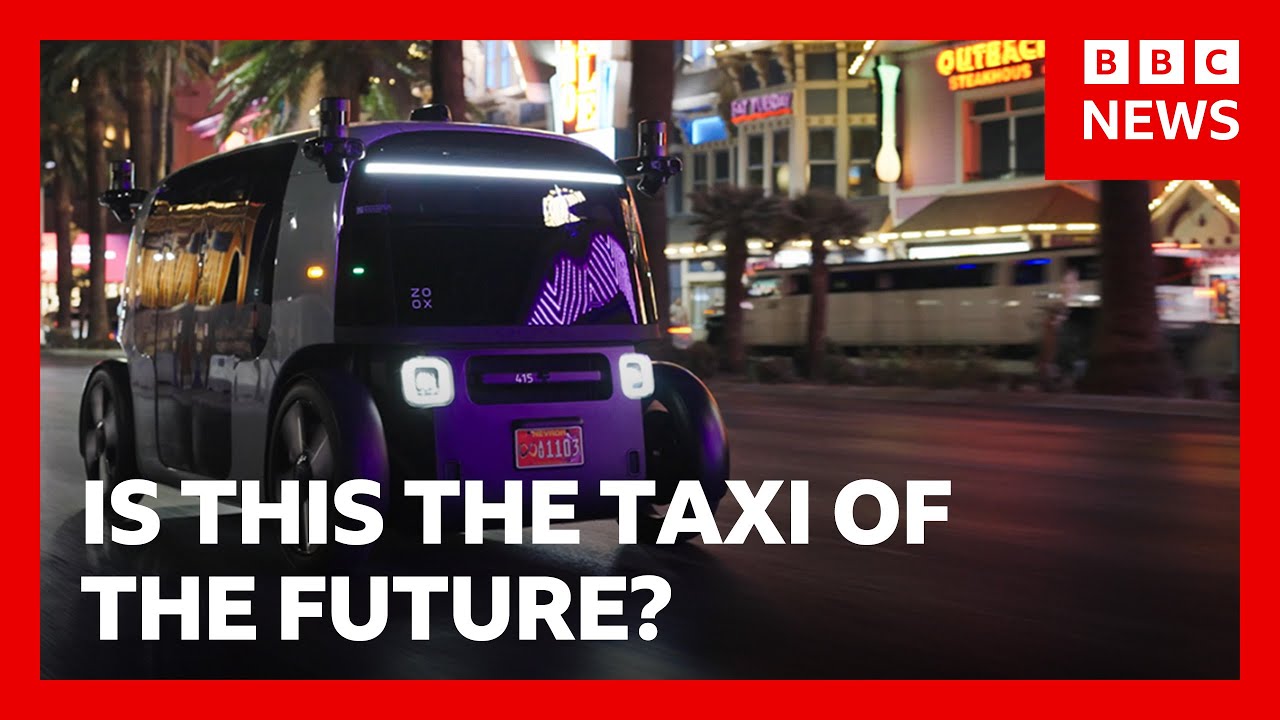
The Dawn of Autonomous Transportation: Inside the Zuks Experience in Las Vegas
In the vibrant landscape of Las Vegas, innovation takes center stage with the introduction of autonomous vehicles, notably Zuks. These compact, driverless cars offer a glimpse into the future of transportation—curiously free to use at this stage. My journey began with a simple interaction through an app, a straightforward process that set the scene for a remarkable experience.
Fifteen minutes later, I was ready to embark. The doors slid closed smoothly, and a friendly prompt reminded me to fasten my seatbelt as we prepared to hit the road. The absence of a driver was at first disconcerting, but soon became an afterthought in what felt like an ordinary ride. This seamless incorporation of technology into daily life is indeed a marvel.
What powers this driverless experience? Zuks utilizes a sophisticated blend of LiDAR, radar, infrared cameras, and artificial intelligence. These technologies work symbiotically, painting a comprehensive picture of the car’s environment. The cameras enable the vehicle to "see," the radar measures distance and speed, and LiDAR creates a detailed three-dimensional map of the surroundings. Artificial Intelligence synthesizes all this data, guiding the vehicle through its journey.
Inside the Zuks cabin, the design invites conversation rather than isolation, with passengers facing each other across spacious seating. The large glass doors and sunroof flood the interior with natural light, transforming a simple ride into a sociable experience. Each seat houses a control panel, allowing passengers to adjust music, climate, and even charge their devices while on the move. This thoughtful design enhances user experience, making the ride feel personal and engaging.
Our driverless ride was punctuated by polite announcements from the cabin, reminding us to be cautious while exiting. The Zuks navigated traffic lights and junctions with ease, demonstrating its impressive ability to handle complex urban environments. Despite the whirlwind of excitement and technology, the ride was smooth and comfortable, taking us effortlessly from one point to another within the carefully mapped districts of Las Vegas.
As we delve deeper into the world of robo-taxis, it becomes evident that Zuks is not alone in its quest for autonomy. Various firms, including Chinese tech giant Baidu, are making moves to integrate similar technologies. Baidu is forming partnerships with Uber and Lyft to introduce driverless tech in the UK. Meanwhile, American competitor Waymo operates traditional-looking autonomous taxis across multiple cities in the U.S. and Japan, testing their technology in urban settings with plans for future public rollout.
Yet, the transition to widespread adoption raises crucial questions. Will autonomous vehicles actually make our roads safer? Insights from experts suggest a promising outlook. Autonomous driving technology has the potential to enhance road safety, given that machine drivers can be programmed to execute tasks with precision. However, transforming this potential into reality necessitates extensive testing and refinement.
Despite reassurances from companies about safety, skepticism lingers. Many of these assurances are grounded in limited data from a small number of vehicles. As the fleet expands, with millions of autonomous cars on the road, the likelihood of encountering rare but significant driving scenarios increases. This concern necessitates a cautious approach to rolling out this technology.
Looking forward, the question remains: Will autonomous vehicles become common in our cities? The answer skews towards positivity but is tempered with realism. Significant changes in legal frameworks, technological advancements, and public trust must occur before we can envision a landscape dominated by self-driving cars. For now, the promise of an autonomous future is still unfolding, but the prototype offered by Zuks provides a thrilling preview of what could lie ahead.
In conclusion, as we navigate through this era of technological transformation, rides like those in Zuks not only demonstrate the capabilities of smart vehicles but also spark conversations about safety, efficiency, and the future of urban mobility. The journey towards an autonomous society is just beginning, but with projects like Zuks paving the way, the future looks ever more promising.