The Complexities of Law Enforcement Encounters: An In-Depth Analysis of the Alex Prey Incident
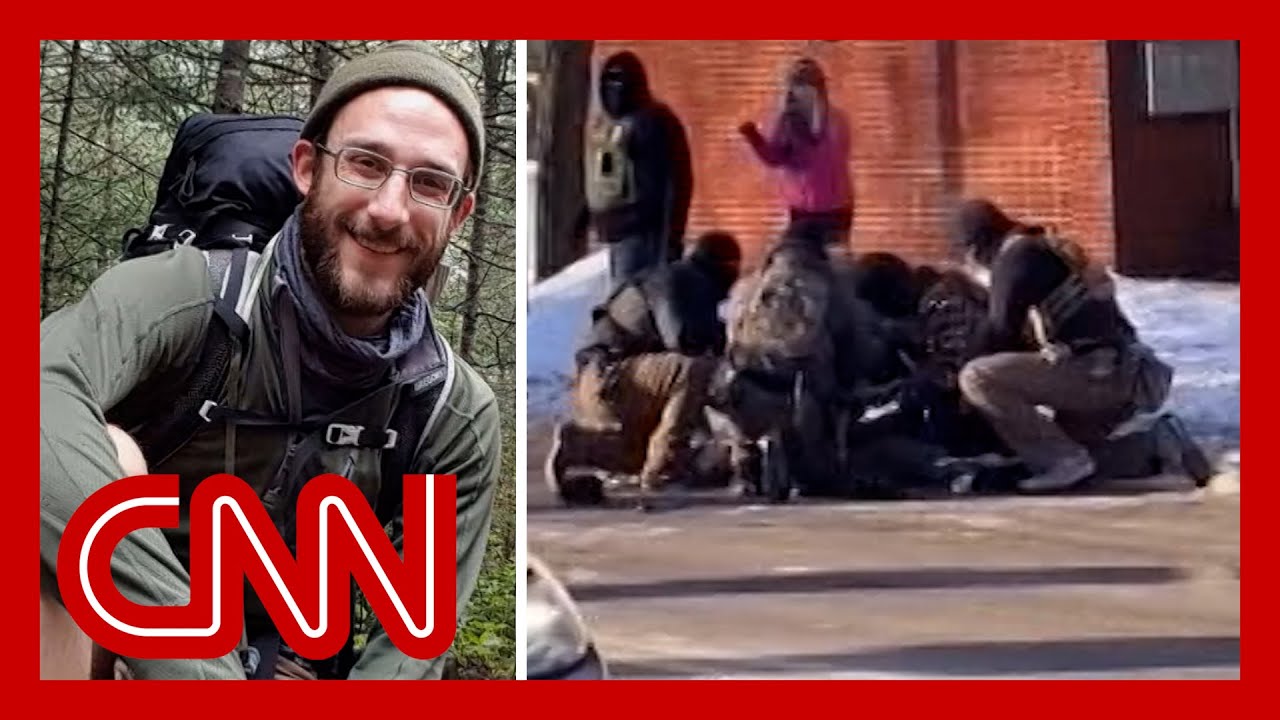
The recent shooting incident involving Alex Prey has sparked intense scrutiny and debate about law enforcement protocols and the underlying dynamics of federal immigration enforcement. According to preliminary reports from the Department of Homeland Security (DHS) released to Congress and reviewed by CNN, two Customs and Border Protection (CBP) officers discharged their weapons during a confrontation with Prey. This incident raises vital questions regarding law enforcement behavior, citizen rights, and public safety.
The initial investigation reveals that officers attempted to take Prey into custody but encountered resistance. A border patrol agent reportedly shouted multiple times, "He’s got a gun," before the officers fired their weapons. The report specifies that approximately five seconds elapsed between the officer’s warning and the discharge of firearms, indicating a high-stress situation that escalated quickly. However, it remains unclear whether the shots fired actually struck Prey, which is a critical detail missing from the initial findings.
After the shooting, officers reportedly secured a firearm believed to be Prey’s and provided him with medical aid, including chest seals for his wounds. These actions suggest that, regardless of the nature of their engagement, there was a degree of adherence to protocols concerning immediate medical response in such high-stakes scenarios. However, the absence of clarity surrounding whether Prey was armed at the time of confrontation casts a shadow over the legitimacy of the officers’ actions.
Adding another layer of complexity, it was recently uncovered that Prey had an altercation with federal officers about a week prior to his death. According to sources, he attempted to intervene when he observed ICE agents pursuing a family. This act of protest led to his being tackled by multiple federal officers, resulting in a broken rib. Eyewitness reports indicate that Prey felt his life was endangered during that incident, a claim bolstered by medical records showing he received treatment consistent with such an injury.
The ongoing investigations have led to concerns regarding the collection of data by federal immigration authorities. Sources indicate that such agencies have been documenting interactions with protesters, suggesting a broader pattern of surveillance and monitoring that warrants scrutiny. Although the DHS insists there is no compiled database of protestors or agitated individuals, the collection of information about citizens engaging in lawful protests could pose ethical dilemmas about civil rights and privacy.
Tensions have escalated amid these incidents, leading to a national dialogue about the role of federal law enforcement in local communities, particularly those with diverse populations who may have heightened sensitivities to immigration enforcement actions. Recent statements from White House officials signal an intent to manage this situation more delicately than in the past, emphasizing a need for strategic operations that mitigate risks to both officers and the public.
The events in Minneapolis exemplify the struggles between federal law enforcement and community activists, illuminating the potential for catastrophic outcomes when protests clash with authoritative responses. As federal officials work to ease tensions, their strategies must align with the realities faced on the ground. The involvement of knowledgeable figures within the Department of Homeland Security can be seen as an attempt to harmonize these interactions.
As the investigation into Alex Prey’s death continues, critical questions persist about how federal law enforcement approaches encounters with citizens, particularly those engaging in protest activities. The complexities surrounding Prey’s case highlight a larger narrative concerning the balance between maintaining order and protecting civil liberties. Understanding these dynamics is crucial for fostering healthier relationships between law enforcement and the communities they serve.
The inherent challenges in managing law enforcement encounters require a continuous examination of protocols, city policies, and community interactions. The goal should be to create a framework that ensures safety for all, recognizing the rights and voices of citizens while responsibly enforcing laws. Ultimately, the outcome of this investigation could hold significant implications for future law enforcement practices, accountability, and community trust.