The Global Geopolitical Chessboard: Navigating U.S.-China Relations
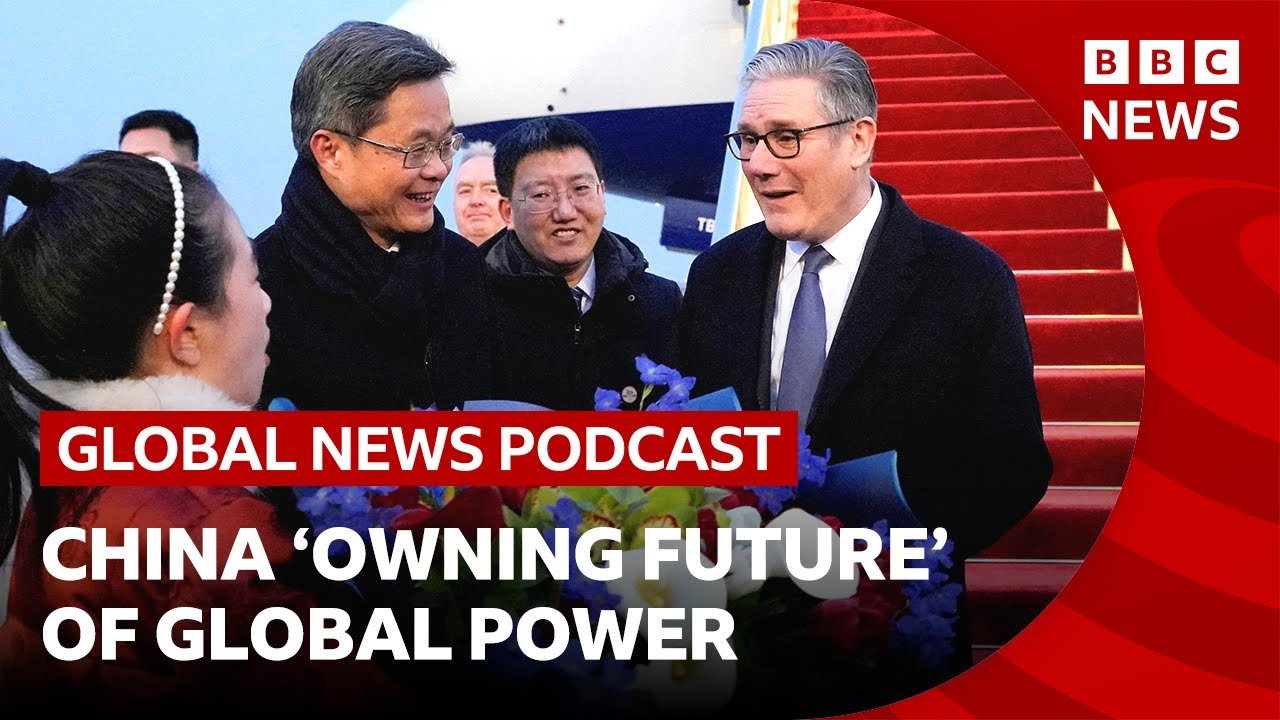
In a world increasingly defined by global power contests, the rivalry between the United States and China stands as a central theme. As Western leaders actively court Chinese President Xi Jinping, the imperative to strike a balance between economic engagement and human rights concerns grows ever more critical. The backdrop is a significant influx of diplomats and leaders into Beijing, including a recent visit from the UK’s Prime Minister, marking the first such engagement in eight years.
China’s role as the "factory of the world" cannot be understated. It dominates manufacturing, producing between 60% to 80% of critical technologies such as electric vehicles, solar panels, and wind turbines. Furthermore, its supremacy in rare earth elements—vital for devices ranging from smartphones to electric vehicles—provides it with considerable leverage in the global economy. Western nations recognize that engagement with China is not merely transactional: it is essential for securing future technological advancements and sustainability initiatives.
An important consideration for these nations is how to address human rights concerns without jeopardizing economic deals. Countries like South Korea and Australia have faced repercussions from China after daring to cross its “red lines,” notably in matters related to COVID-19 criticisms. The example of Canada is particularly instructive; following the arrest of a Chinese executive at the behest of the U.S., China retaliated by detaining two Canadians, leading to a prolonged diplomatic freeze.
While nations negotiate trade agreements, they often include what are known as "guard rails"—parameters designed to prevent the fallout of any human rights discussions. Mark Carney’s recent trip to China exemplifies this delicate balance; he indicated that while he aimed to engage with Chinese officials on human rights issues, it was crucial to establish a framework that would allow for safe negotiations. This approach illustrates the growing awareness among Western leaders that candor on sensitive topics is necessary but must be navigated carefully to preserve economic interests.
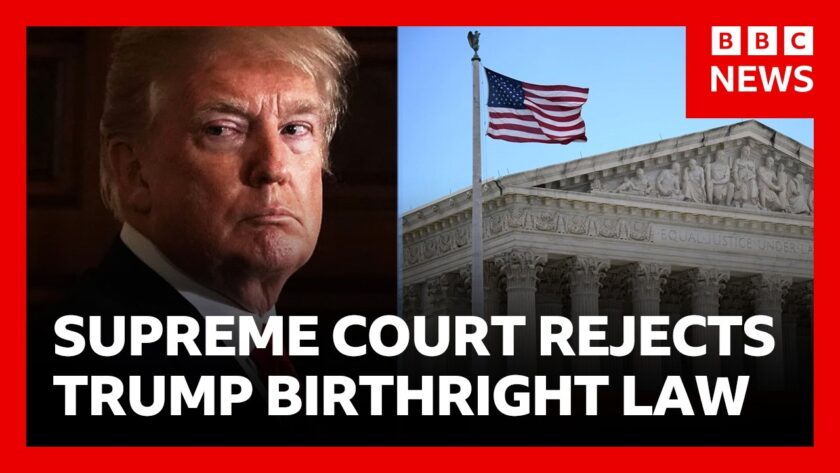
With past adversities in mind, Western nations may indeed find themselves at a crossroads. Can they do business with China without incurring the ire of Washington? Recently, former President Donald Trump threatened to impose 100% tariffs on Canadian imports following Carney’s initiatives, a warning that signals rising tensions in the region. While China is not asking these nations to choose sides, the geopolitical landscape suggests that aligning too closely with Beijing could provoke backlash from the U.S.
Additionally, China’s ambitions are far from subtle. Although it officially advocates for a "multi-polar world" where it does not seek to be the sole superpower, actions speak louder than words. The Belt and Road Initiative, along with substantial military demonstrations, signals an inclination toward asserting global leadership. With over 100 trade partners, China is aggressively expanding its influence, positioning itself as a formidable player on the world stage.
The issue of human rights remains a complicating factor. Allegations of forced labor and mistreatment of ethnic minorities in Xinjiang, as well as restrictions on freedom of expression, present significant challenges for Western leaders. For instance, the case of Jimmy Lai, a dual British citizen imprisoned in Hong Kong for advocating press freedom, shines a light on the moral dilemmas faced by nations engaging with China. According to experts, raising such issues can indeed complicate economic negotiations, but failure to address them may also be viewed as complicity.
China appears to have developed a defensive posture regarding these accusations, dismissing them as unfounded while simultaneously asserting its dominance in the global trade arena. This stance reflects a confidence that many nations will prioritize economic benefits over moral considerations. As Laura Bicker, our correspondent in Beijing, notes, the country is able to navigate these tensions, presenting a façade of normalcy and opportunity while maintaining strict limitations on dissent.
In conclusion, as countries confront the complex dynamics of U.S.-China relations, it is clear that the balance between economic interests and human rights advocacy is fraught with challenges. It remains to be seen how this geopolitical contest will evolve, but one fact remains unequivocal: the pursuit of economic partnerships with China will continue to be overshadowed by pressing ethical questions. As world leaders navigate this turbulent landscape, the future of global relations hangs in the balance.