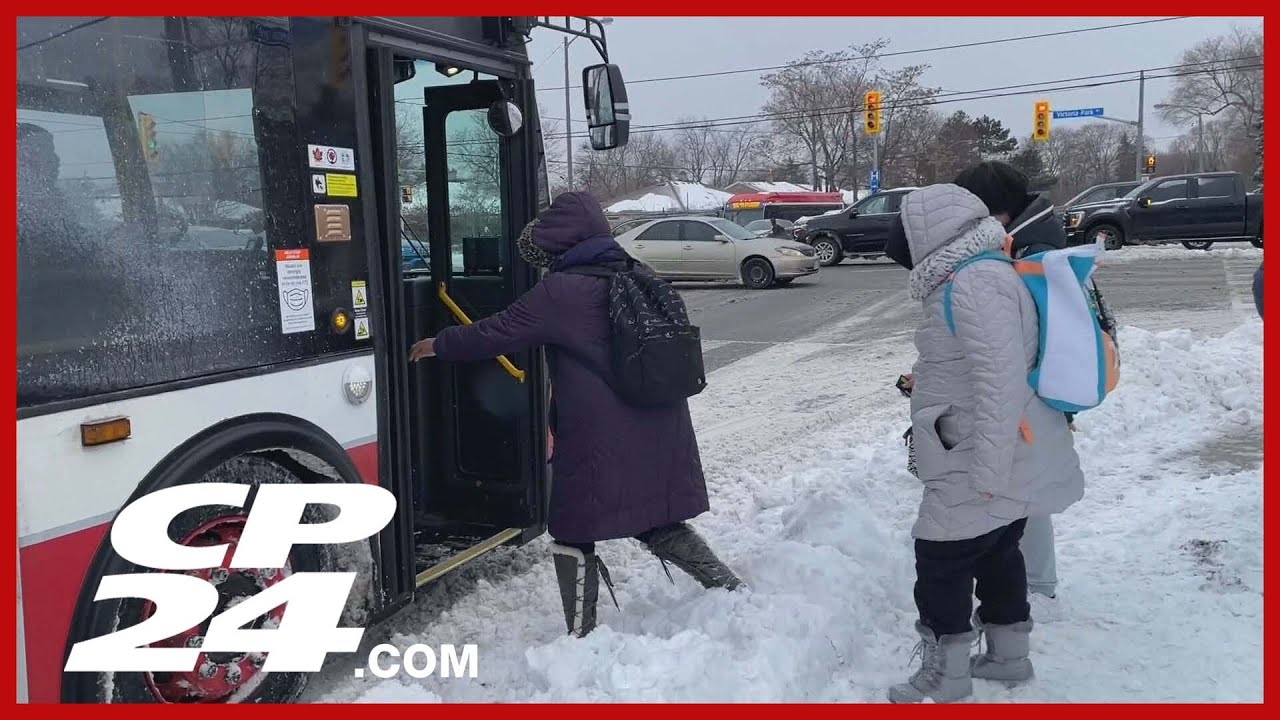
Navigating Winter Challenges: TTC’s Preparedness Amid Severe Weather
As winter storms sweep across urban landscapes, public transit systems face a unique set of challenges. In Toronto, the Toronto Transit Commission (TTC) is no exception. During a recent conversation with Adrien Grundy, a senior communications adviser for the TTC, insights were shared about the organization’s proactive measures, real-time adaptations, and ongoing commitments to public safety.
Current Conditions and Transit Operations
With the arrival of significant snowfall—anticipated to exceed 30 centimeters in specific neighborhoods—Grundy emphasized the importance of safety in transit operations. Initially, 48 bus stops were closed around 5 a.m., particularly those in hazardous areas such as the Duffern corridor and East York. "The safety of our customers is our top priority," Grundy stated. This decision demonstrates the TTC’s commitment to ensuring that riders are not left stranded in treacherous conditions.
Areas of Concern and Diversions
Throughout the city, certain areas are facing tougher conditions due to their geography. Hills and tricky routes, notably in East York and Scarborough, pose a challenge for bus service, which has already incurred some diversions. The open communication strategy employed by the TTC advises commuters to check the TTC website for the latest updates. “The best advice for us right now is check ttc.ca before you head out the door,” Grundy insisted, highlighting the utility of real-time information in mitigating the impact of severe weather on daily commutes.
Vigilance Despite Positive Reports
While Grundy noted that subway services were operating effectively and the Finch West LRT was also faring well, he cautioned against complacency. With forecasts suggesting continued snowfall, the potential for buses becoming stuck is a real concern. This foresight entails a systematic approach to dealing with adverse conditions; shuttle buses are kept in reserve to ensure seamless transit along critical routes should disruptions occur.
Grundy outlined plans for possible operational changes as conditions evolve, including the conversion of express routes to local routes, which would mean increased stops to enhance service accessibility. “If we need to make these changes for safety, we will,” he said, indicating that swift adaptations are essential amid unpredictable weather patterns.
Snow and Streetcar Operations
Remarkably, streetcars have maintained operations relatively smoothly, thanks in part to advance preparations, which include the application of glycol spray to keep tracks free from ice. Streetcar routes have been prioritized for snow clearing, reflecting effective collaboration with city partners. Still, motorists have been cautioned to avoid parking in areas that could block streetcar tracks.
Despite challenges, the TTC’s robust winter readiness plan is in action. Currently operating under "Action 4," the organization’s goal is clear: to provide safe and reliable transit service while navigating challenging conditions.
Planning for Tomorrow’s Commute
Looking ahead, Grundy emphasized that all operations would continue to bolster readiness for the forthcoming Monday morning rush. Storm trains and streetcars will be deployed overnight to clear tracks, enabling a prompt start to the week. Critical resources have been allocated to ensure that no trains are stranded.
As commuters prepare for upcoming travel, the importance of staying informed cannot be overstated. Grundy highlighted multiple channels for updates, including the TTC website and social media platforms, ensuring that riders remain in touch with live service alerts as conditions change.
Final Thoughts
In the face of winter’s severity, organizations like the TTC exemplify resilience through meticulous planning and communication. Looking back at previous winter challenges, the ongoing accumulation of snow will test public transit systems further. As Grundy appropriately stated, "Our sole objective today is to run a safe service with as much service as we can possibly deliver."
The TTC’s proactive measures, real-time updates, and adaptability in the wake of severe weather reflect an organization committed to maintaining public confidence and safety against the elements. For commuters, being informed and prepared is the key to navigating these challenging conditions.