China’s Long Game: Insights from the Recent UK-China Summit
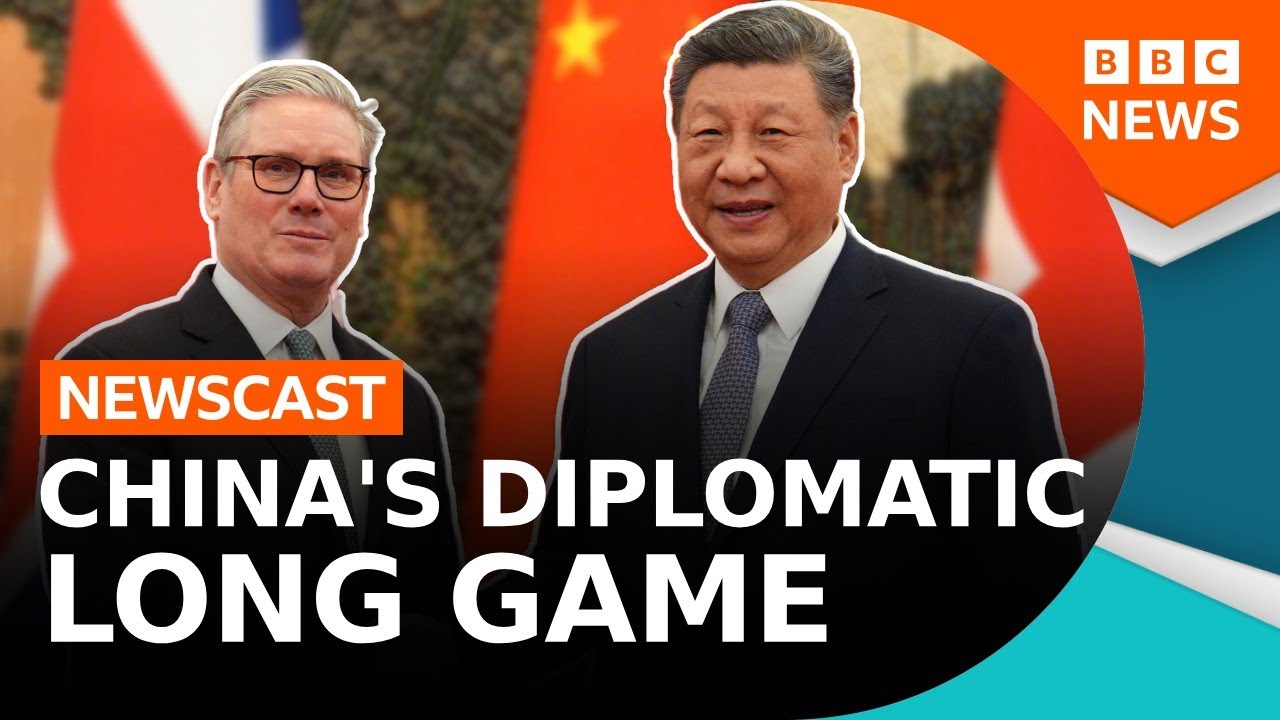
The recent meeting between UK Prime Minister Keir Starmer and Chinese President Xi Jinping in Beijing marked a pivotal moment in the two nations’ relationship. As the first visit by a British Prime Minister to China in eight years, this event unfolded against a backdrop of both historical complexities and pressing contemporary challenges.
The phrase “range far, your eye over long distances,” used by President Xi, encapsulates the essence of China’s strategic approach—an inclination to consider long-term objectives over immediate concerns. This perspective offers valuable insight into the dynamics at play during the summit. Xi is not bound by electoral cycles; he can prioritize long-term benefits without the distractions of short-term political pressures, unlike Western leaders who must balance immediate domestic issues with international diplomacy.
During their discussions, human rights issues inevitably surfaced. The UK’s concerns over Hong Kong, as well as the treatment of Uighurs, were acknowledged but met with a customary Chinese rebuff that such matters are internal affairs. Starmer’s argument for open dialogue on these subjects reflects a pragmatic approach to international relations: engaging directly with counterparts rather than simply issuing admonishments from afar. The British Prime Minister seems aware that to effectively raise concerns, one must first establish a platform for dialogue.
Chinese proverbs provided delightful springboards for analysis. Darini David shared the wisdom that “the best time to plant a tree was 20 years ago; the second best time is now.” This proverb aptly echoes the sentiments around revisiting and rejuvenating UK-China relations. Starmer’s visit signifies a potential recalibration, a recognition that while much time has passed, the need to engage with China is as urgent as ever.
Another captivating proverb, “When the winds of change blow, some people build walls, and others build windmills,” illustrates the divergent paths countries take in the face of new realities. China’s aggressive push into renewable energy—evidenced by the reported installation rate of 100 solar panels per second—signals not just a commitment to sustainable growth, but also its readiness to capitalize on global trends while other nations may falter.
However, the ethos of gradualism also permeates the outcomes of the summit. Despite a high-profile delegation accompanying Starmer, the tangible results have been somewhat muted. While announcements of investments, particularly from AstraZeneca in pharmaceuticals, may play to Britain’s economic strengths, many businesses are left wondering what substantive measures will follow. The promise of ongoing discussions for a service trade arrangement lacks specificity, echoing the notion that while intentions are declared, concrete results remain elusive.
Xi’s remarks during the press conference did not shy away from mentioning the dynamics of British domestic politics, highlighting broader strategic interests. This dual focus—addressing external aspirations while engaging in internal narratives—speaks to China’s desire to redefine its global partnerships, positioning itself as a powerful player on the world stage while subtly encouraging divisions within Western alliances.
The notion of visa-free travel for UK nationals reflects a significant step toward reducing barriers and increasing people-to-people exchanges, yet it is accompanied by questions about deeper collaboration—especially in areas like technology and renewable infrastructure—where China excels.
The complexities of the UK-China relationship now lie at the intersection of shared interests and stark differences. Chinese leaders perceive the UK as too closely aligned with the U.S., often viewing Westminster through a lens tinted by perceptions of American influence. This sentiment complicates diplomatic undertakings and underlines the need for the UK to carve out an independent narrative on the global stage.
As the geopolitical landscape evolves, the challenges and opportunities presented by China will require charting a careful course: one that balances economic potential with serious ethical considerations. The recent summit has rekindled discussions of collaboration, yet it remains to be seen how both countries will navigate their intertwined destinies amid shifting global currents. In adopting a longer-term perspective akin to the proverbs that frame these discussions, the hope is that both nations can plant the seeds for a fruitful partnership, even while navigating the complexities of their differences.