Layoffs and the Future of Ontario’s Auto Industry: An Examination of Current Challenges
The auto industry in Ontario is facing a significant upheaval, particularly in the city of Oshawa, where the recent layoff of up to 1,200 workers at General Motors (GM) has created a ripple effect felt across the community and beyond. This recent decision marks a stark reminder of the shifting tides in manufacturing, influenced by global market forces and trade policies.
The Layoffs: A Hard-Hitting Reality
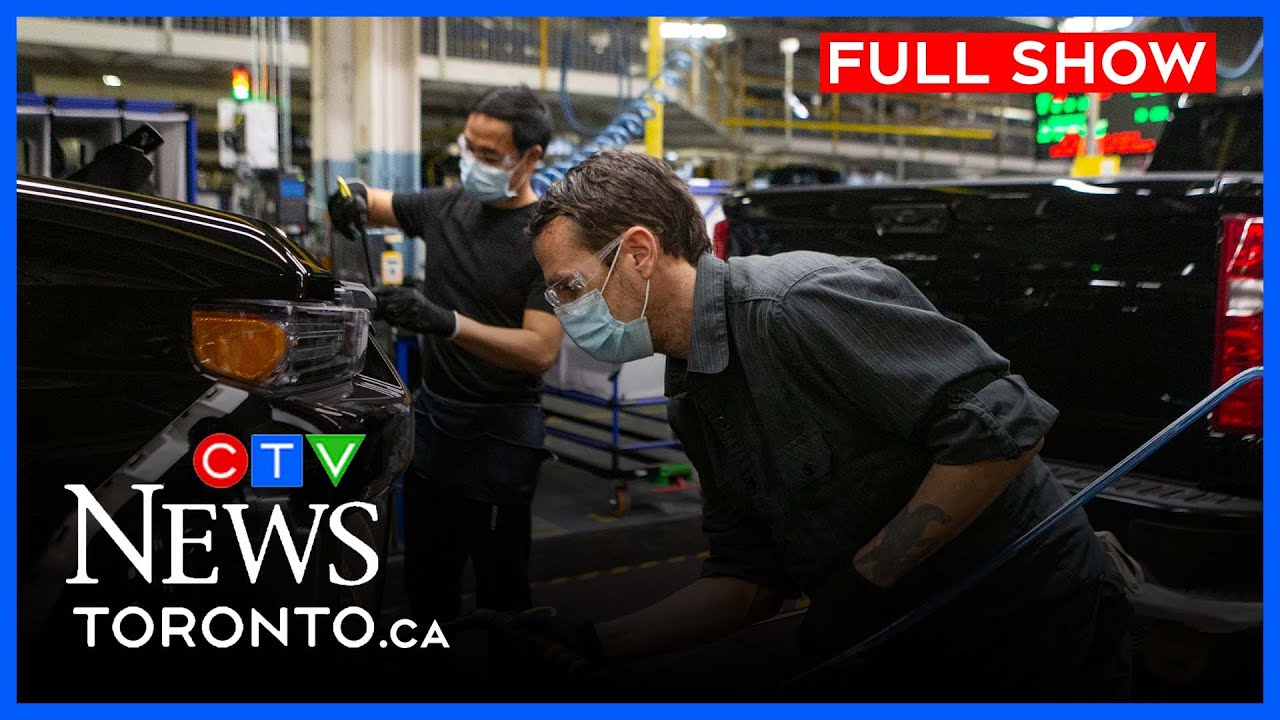
The impending layoffs, initially announced last year, are set to be realized as the GM plant transitions from three shifts to two. For many workers, including those involved in the production of the Chevy Silverado, the news has been devastating. One worker voiced the emotional toll of losing a well-paying job in a company known for its employee benefits. The emotional weight of job security—particularly for younger workers or those recent hires—is palpable in conversations at the plant. Union representatives from Unifor have characterized these layoffs as catastrophic, indicating that those with lower seniority will bear the brunt of this cut.
The layoff news has not only affected direct employees but also those working within the supply chain. Approximately 500 GM employees will be losing their jobs, adding pressure to an already straining network of local businesses dependent on the plant’s operations. Locals express concerns not just about unemployment but about future household expenses and maintaining family stability amidst such uncertainty.
Blame and Broader Implications
When asked about the causes behind these layoffs, workers are quick to point fingers at external factors—namely, tariffs and trade negotiations with the United States, which introduce volatility to the Canadian auto sector. The imposition of tariffs on Canadian auto products by the U.S. has been particularly damaging and has led many in the industry to call for a reevaluation of Canadian trade strategies moving forward.
The GM plant, which launched the Silverado model in 2021, added a third shift to accommodate increased demand, but current market dynamics have shifted. Unifor leaders underscored that previous third shifts had a much longer lifespan, as they often spanned many years under stable economic conditions. Unfortunately, that stability seems to be no longer feasible under current circumstances, with production lost to competitors overseas.
Local Reactions and Potential Solutions
The mayor of Oshawa has expressed a glimmer of hope, urging for the introduction of new products into the plant to mitigate layoffs. Local government officials have been vocal in emphasizing the need for a strategic pivot in Ontario’s auto sector to safeguard current jobs and attract new investments. A pressing challenge remains: finding ways to keep skilled workers employed and prevent brain drain.
A federal response is also underway, with discussions about developing a comprehensive auto industry strategy. Potential partnerships with auto manufacturers in countries like South Korea, which could include brands like Hyundai and Kia, are being explored to diversify production capabilities and create new job opportunities.
Looking Forward: The Path to Recovery
The future of Ontario’s auto industry hangs in the balance. Workers and union leaders remain cautiously optimistic but recognize the level of uncertainty that surrounds trade negotiations and shifting market demands. The upcoming federal auto industry strategy and potential collaborative ventures could indeed be a turning point.
However, it’s essential to consider how bare-bones recovery strategies will affect not only employment numbers but also the broader community. Effective solutions must encompass workforce training and skill development programs, thereby ensuring that laid-off workers are equipped to pivot into new roles that may arise in emerging sectors.
As Ontario navigates these turbulent waters, the resilience of its auto workers, backed by community and government efforts, will play a crucial role in bouncing back from this challenging chapter in the region’s storied industrial history. Without a doubt, the decisions made today will echo for years to come, shaping the future landscape of Ontario’s manufacturing sector.