The Arrest of Don Lemon: An Unprecedented Challenge to Press Freedoms
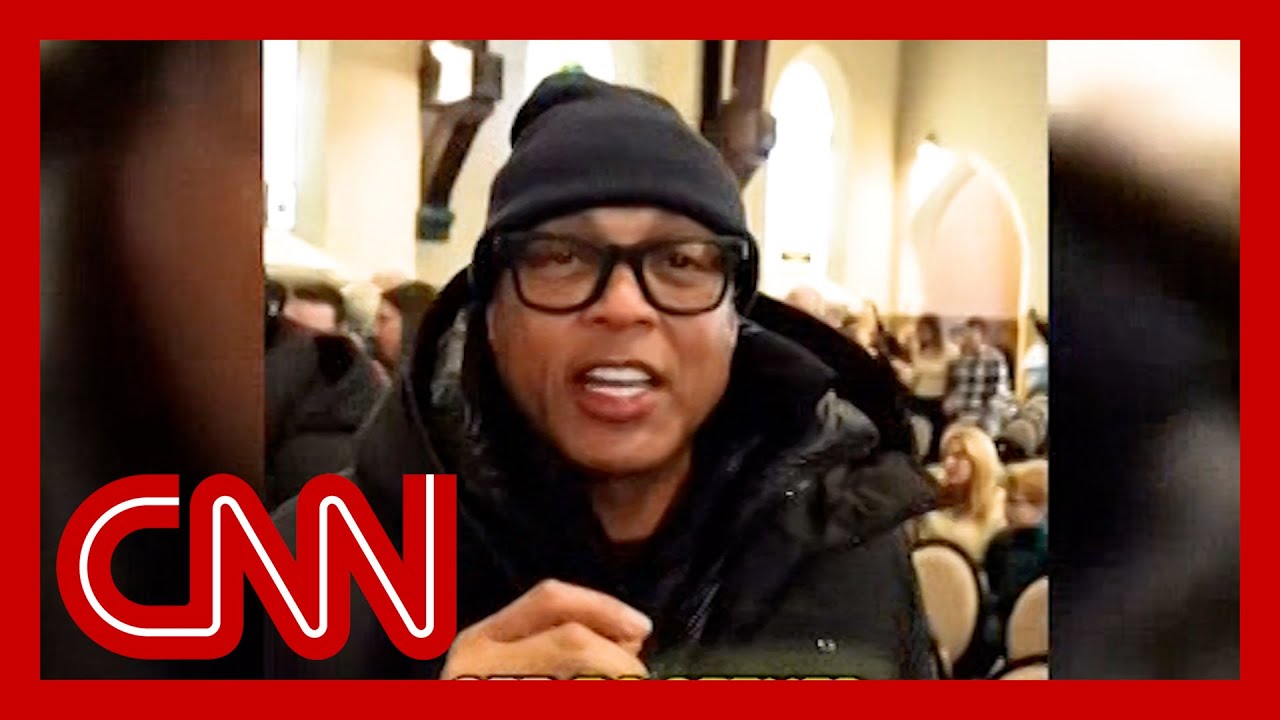
In a shocking turn of events, former CNN anchor Don Lemon has been arrested by federal agents in connection with his coverage of anti-ICE protests at a church in St. Paul, Minnesota. This incident raises critical questions about the role of journalists in politically charged environments and the potential implications for press freedoms in the United States.
According to Lemon’s attorney, the arrest follows his participation in a protest where demonstrators sought to highlight their concerns over the pastor’s alleged connections to ICE. Lemon asserts he attended solely in his capacity as a journalist, focusing on documenting the unfolding situation. His attorney characterized the arrest as an unprecedented assault on the First Amendment, emphasizing that Lemon plans to mount a vigorous legal defense against the charges.
The nature of Lemon’s involvement in the protest has sparked debates within legal and journalistic circles. While Lemon claims he remained outside until he realized the protest was shifting indoors, the Department of Justice (DOJ) has suggested otherwise. A quick review of the circumstances points to the potential for legal complications, specifically regarding trespassing on private property. However, the ramifications of classifying Lemon’s actions as criminal could set a dangerous precedent for journalists.
Shortly after Lemon’s arrest, news broke regarding the detention of another journalist, Georgia Fort. Fort, known for her independent reporting in the Minneapolis area, described a harrowing encounter with federal agents outside her home. She informed her viewers via video that she had been advised by her attorney to cooperate with the agents, indicating the gravity of the situation.
The fact that two journalists have faced federal arrest in quick succession is alarming. It highlights a wider crackdown on the very individuals tasked with reporting on societal issues that pertain to civil liberties and justice. This sort of targeting raises serious concerns. Are journalists now more vulnerable to government scrutiny? Is their role as public watchdogs being undermined?
Coverage of demonstrations has increasingly become fraught with complexity in the current political climate. Legal experts note that while the First Amendment protects both the journalist’s right to report and the congregation’s right to practice its faith, the balance between these rights is precarious. The ongoing situation surrounding Lemon underscores this tension. Activists and journalists alike must navigate a landscape where their rights may be diminished in pursuit of a government’s agenda.
As Lemon awaits his court appearance in Los Angeles, the anticipation of unsealed charges looms. Reports suggest that other individuals from the protest have already faced legal consequences for their actions, complicating the narrative even further. The unfolding drama raises pertinent questions about the nature of the charges against both Lemon and his fellow journalists.
Critics have framed these arrests within a disturbing broader context—the government’s perceived pressure campaign against dissent and protest. Observers are particularly concerned about a potential chilling effect on journalism. If journalists feel threatened while discharging their responsibilities, vital truths may go unreported.
This situation also amplifies discussions around the structure of media and its interaction with government entities. Some argue that an authoritarian streak has begun to seep into how the Trump administration deals with perceived adversaries. Such actions contribute to a climate of fear for those in the media—especially for independent journalists who lack the institutional support of larger organizations.
Finally, the international implications of these arrests could be significant. As pointed out by CNN commentator Larry Mado, the targeting of journalists in the United States provides a troubling justification for authoritarian regimes elsewhere, which may feel emboldened to silence dissenters and journalists critical of their actions.
In the light of these recent developments, it becomes crucial to advocate for the protection of press freedoms. The assaults on journalists not only threaten individual rights but also undermine the foundational tenet of democracy—the need for a free and independent press. As the legal proceedings for Don Lemon and Georgia Fort unfold, the outcomes will likely have significant implications for journalists and activists alike in America and beyond.