Gold’s Historic Rally: A Reflection of Global Uncertainty
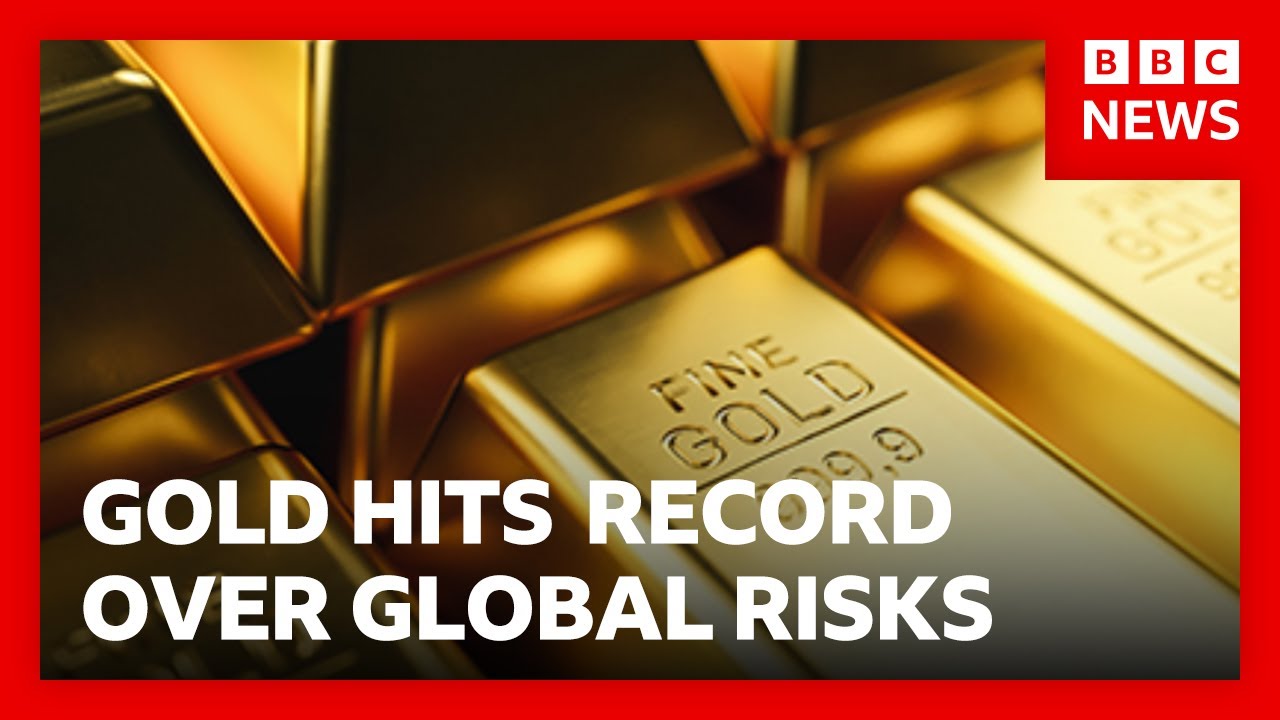
The world is witnessing a seismic shift in the price of gold, which has now surged above $5,000 an ounce for the first time in history. This extraordinary leap has extended a rally that saw gold’s value increase by more than 60% over the past year. Traditionally regarded as a safe haven asset, gold attracts investors seeking stability and security during turbulent times. Currently, that attraction is more potent than ever.
Throughout history, gold has held a cherished place within human culture. Its allure transcends mere financial value; it is a symbol of wealth, permanence, and beauty. Remarkably, all the gold ever mined could fit into just three and a half swimming pools. Unlike currencies that can be printed at will, gold is a finite resource, making it an indispensable asset in uncertain times. It resists decay and rust, reinforcing its status as an enduring symbol of value.
The Lion family, who operate a business specializing in gold transactions, exemplify this growing trend. "We’ve never seen queues around the block for people waiting to cash in on the gold price," Zoe Lion expresses, pointing to the unprecedented nature of current demand. The excitement in their operations mirrors the anxiety felt around the globe, as the rising gold prices often correlate with periods of unrest and instability. The question arises: What drives this historic increase in gold’s value?
To understand this phenomenon, one must look at the currents of global instability. Rising national debts, speculations of rising inflation within the United States, and geopolitical tensions are driving investors toward safer assets. The recent surge in gold prices dwarfs previous spikes during crises, illustrating the intense concerns facing investors today. Historical patterns tell us that gold typically rises in times of crisis, as seen in past decades marked by inflation worries and economic collapses.
The data backs this assertion. Adjusting for inflation, gold prices have encountered significant upswings in challenging periods—most notably in 1980 amidst oil price shocks and high inflation, and again in 2011 coinciding with the fallout from the financial crisis and fears surrounding a potential Eurozone collapse. Even the COVID-19 pandemic in 2020 saw a mild uptick, but the current escalation is far more pronounced, compelling experts to ask: Are we navigating through a true crisis?
Political uncertainty within the United States continues to loom large on the horizon. The evolving role of the dollar—once a bastion of global economic stability—has shifted. Concerns have arisen about its potential use as an economic weapon, creating unease among foreign nations. In moments of political volatility, history suggests, gold becomes the preferred asset, leading many investors to convert their modern anxieties into this ancient but reliable form of money.
This trend is evident in the lengthening queues at local gold buying and selling firms. Investors are gravitating toward gold, not just as a hedge against inflation but as a safeguard against an uncertain future. The recent boom represents not merely a financial opportunity but a reaction to the complexities of our time.
In conclusion, gold’s meteoric rise to over $5,000 an ounce reflects a confluence of historical precedent and contemporary concerns. While the demand for this precious metal may bring excitement to some, it serves as a barometer of global instability. As uncertainties loom—political, economic, and social—the allure of gold will likely continue to attract those seeking refuge in its timeless value. In a world marked by change, the age-old saying remains true: gold shines brightest in times of trouble.