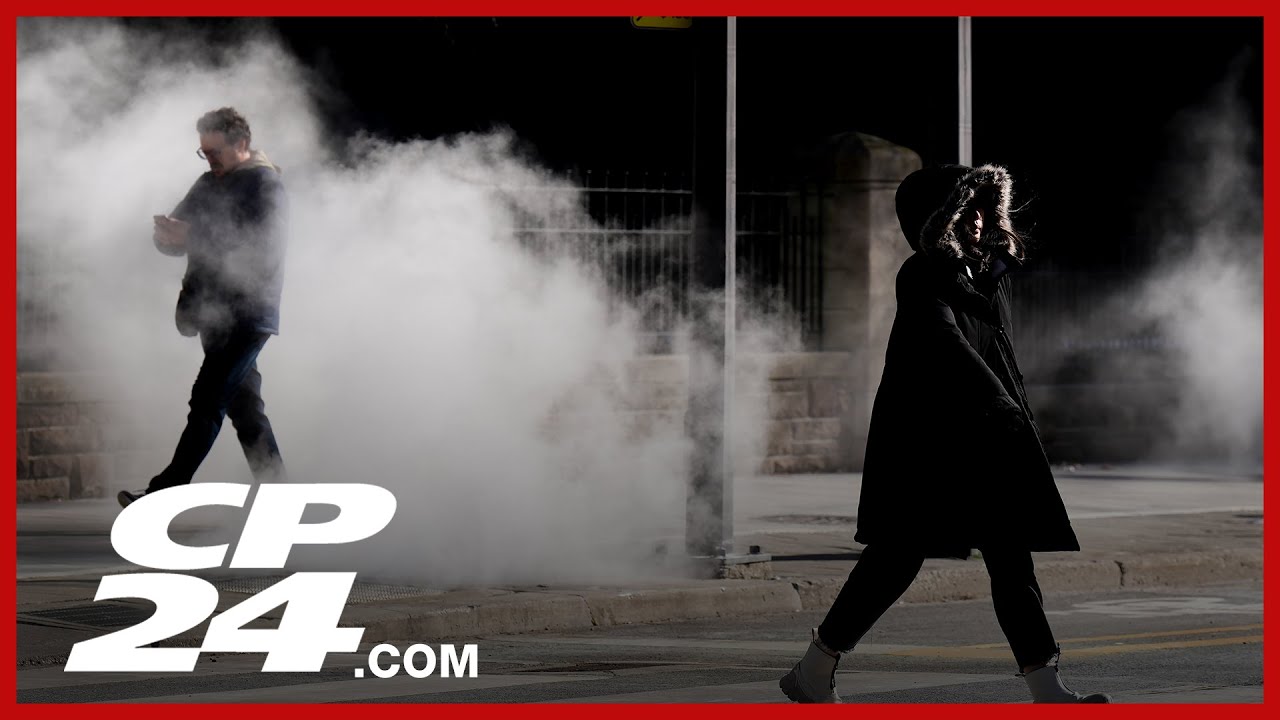
Toronto Faces Frigid Temperatures: A Warning from Environment Canada
As Toronto braces itself for a chilling onslaught, Environment Canada has issued a yellow cold warning for the city. Tonight, temperatures are forecasted to plummet to between minus 30 and minus 35 degrees Celsius, with wind chills creating the potential for frostbite on exposed skin within minutes. Such severe weather is not just an inconvenience; it poses serious health risks that demand attention and preparedness.
In a recent interview, Dave Phillips, a climatologist for Environment Canada, elaborated on the impending cold snap. He noted that January 29 marks the coldest recorded temperatures for Toronto since 2016, a stark reminder that winter’s grip is more vicious than many residents might expect. The temperatures could reach lows that, historically speaking, are unprecedented for this time of year. Beyond mere discomfort, extreme cold can lead to urgent medical emergencies, underscoring the critical need for community awareness.
Phillips explained that this winter has been particularly harsh since its onset in November. The previous low, recorded at minus 20.8 degrees Celsius, paled in comparison to the forecasted temperatures for the coming night. Notably, these record-setting lows have a historical context: downtown records stretch back to the 1800s, where on this very day in 1873, temperatures dipped to minus 27.8 degrees. However, the historical reference offers little comfort to those who are navigating today’s hostile conditions.
Moreover, the danger is exacerbated by wind chill. With air temperatures dropping so drastically, the real-feel temperature becomes far more severe, transforming the air into a biting force capable of inflicting frostbite in mere moments. Phillips emphasized that this isn’t just an issue of low temperatures; it’s about the overall experience of living in such conditions. The relentless cold over an extended period can lead to what he coined as "frigid fatigue," where both mental and physical resilience wane under persistent harsh weather.
The current weather phenomenon is driven by a massive ridge of high pressure occupying the northern areas of Ontario and Manitoba. This ridge acts like a blockade, keeping warm air at bay and allowing cold air to dominate the landscape. As Phillips vividly described, the cold air behaves almost like thick molasses, firmly taking residence and filling every possible space. Removing it from the region would require a significant shift in weather patterns, something not in the immediate forecast.
Residents are advised to prepare accordingly for prolonged periods of extreme cold. This includes layering clothing, ensuring that homes are adequately heated, and taking extra precautions when venturing outside. The general rule of thumb during such conditions is to limit exposure to the outdoors and to be vigilant about the signs of frostbite and hypothermia.
Further complicating the situation is the forecast for little to no relief in the coming days. Phillips speculated that Toronto might endure a stretch of nearly 40 days devoid of temperatures above freezing. This prolonged chill not only disrupts daily life but also affects local businesses and community dynamics, with winter fatigue setting in among residents.
As February approaches, the cold is unlikely to relent. Phillips’ insights serve as a reminder that while Canadians are known for their resilience in the face of winter weather, the current conditions require heightened vigilance and preparedness. Community members must hunker down and come together, looking out for one another over the coming frigid days.
Through understanding the implications of these temperatures, citizens can better equip themselves to face the challenges posed by what might be one of the coldest winters the city has seen in years.