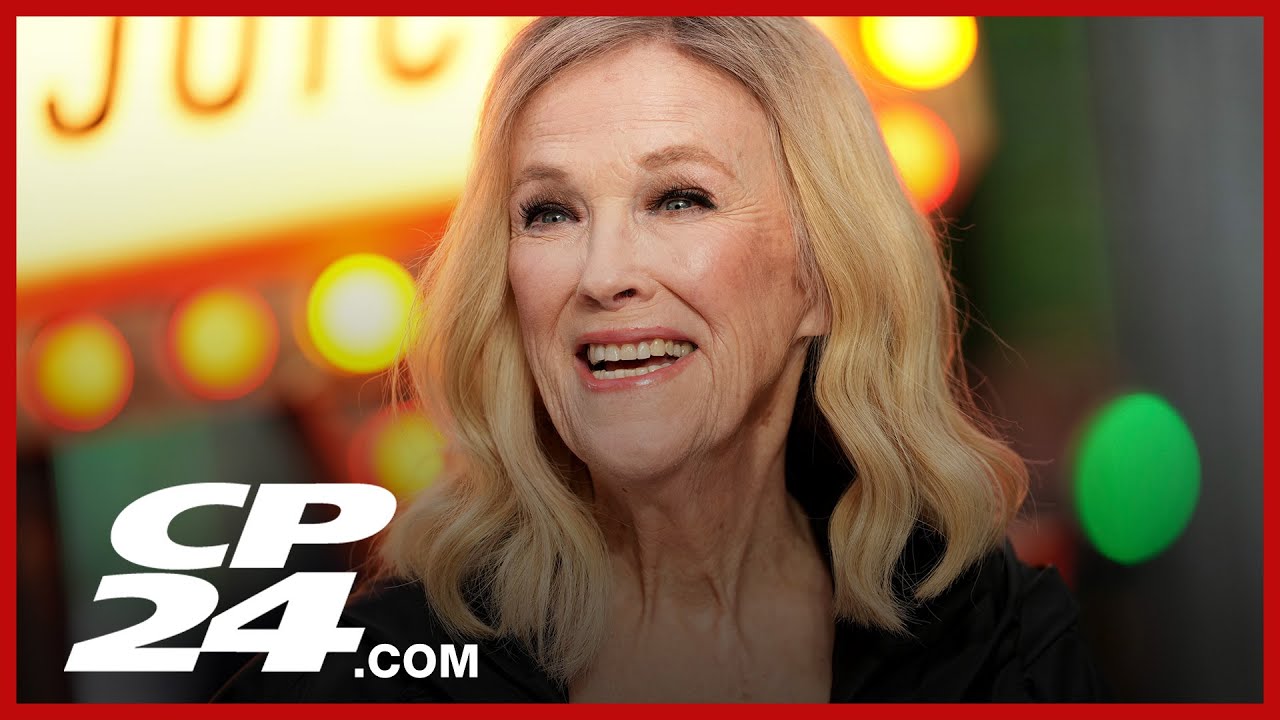
Remembering Katherine O’Hara: A Comedy Icon
The entertainment industry is in mourning following the news of Katherine O’Hara’s passing at the age of 71. Known for her exceptional talent and unmatched versatility, O’Hara carved out an enduring legacy that spanned decades. Film critic Richard Krauss describes her as a “Canadian icon,” a fitting title for someone whose contributions to comedy are etched in the fabric of television and film history.
O’Hara’s career began at Toronto’s Second City, where her comedic prowess emerged while she worked as a waitress before transitioning to the stage as an understudy for Gilda Radner. It wasn’t long before she was a standout on SCTV, sharing the spotlight with titans like John Candy, Eugene Levy, and Dave Thomas. Through her performances, O’Hara showcased her ability to impersonate cultural icons such as Lucille Ball and Meryl Streep, leaving an indelible mark on audiences and fellow performers alike.
Her work on SCTV solidified her reputation, and she continued to ascend in the comedic landscape with remarkable roles in films such as Home Alone and Beetlejuice. O’Hara’s portrayal of the frantic mother in Home Alone not only became iconic but also resonated with audiences around the globe. Her delivery of the memorable line when she realizes she has left her son at home remains a cultural touchstone.
In recent years, O’Hara experienced a renaissance, particularly with her role in the critically acclaimed series Schitt’s Creek. This performance earned her an Emmy, proving that her talent was as vibrant as ever. Alongside this, she took on dramatic roles, including her portrayal of a psychotherapist in HBO’s beloved series The Last of Us and her work in The Pain Hustlers, a drama addressing the opioid crisis.
The shock of her passing comes at a time when her presence felt particularly poignant. As Richard Krauss notes, O’Hara had been vividly etched in the minds and hearts of fans. "It just feels unbelievable to me that there won’t be more new, vivid Katherine O’Hara performances to enjoy," he remarked—an expression of the collective sentiment shared by those who appreciated her work.
O’Hara’s influence stretches far beyond her years on screen. She embraced a unique style that defined a generation of comedic actors. Many in Hollywood cite her as a critical source of inspiration, reflecting on her lively character portrayals and the fearlessness with which she approached her roles. This impact is evident in the myriad of performers who have followed in her footsteps.
Even her decision to remain in Canada, opting to grow with SCTV rather than pursuing opportunities with Saturday Night Live, speaks volumes about her commitment to her craft and her roots. Krauss suggests that this decision allowed her to enrich Canadian comedy and foster a creative environment that has since influenced younger generations of comedians.
As tributes pour in from across the globe, it is clear that Katherine O’Hara was much more than just a comedian—she was a trailblazer. Her legacy will resonate in the work of countless actors and comedians who continue to draw inspiration from her creative spirit. Today, as the world reflects on her remarkable career, it is apparent that O’Hara’s impact will endure, inspiring new talent to push the boundaries of comedy for years to come.
Katherine O’Hara has left an indelible mark on the entertainment landscape, and while she is no longer with us, her influence and contributions will undoubtedly continue to inspire both audiences and performers. In remembering her, we celebrate a life dedicated to laughter and creativity, marking a profound loss for the industry and all who enjoyed her work.