The Surge of Gold: A Safe Haven Amid Economic Uncertainty
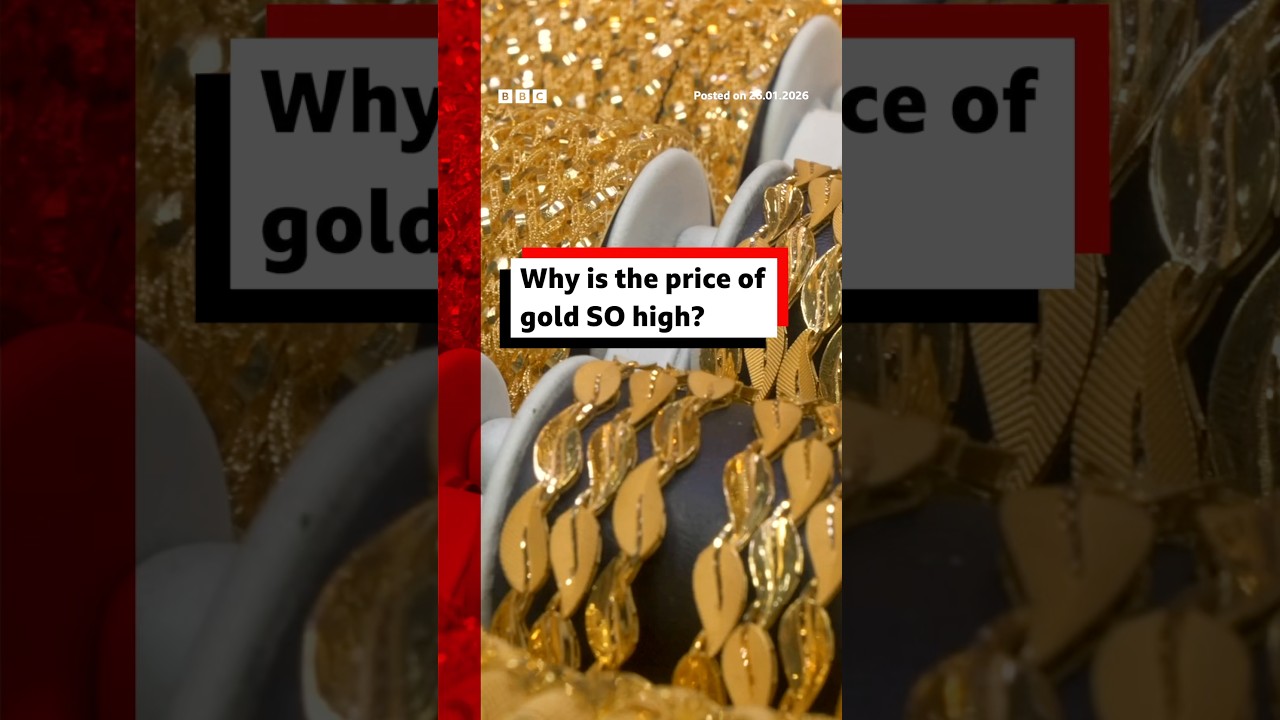
Recently, gold surged past the unprecedented threshold of $5,000 an ounce, marking a pivotal moment in the precious metals market. This significant milestone has captivated attention, particularly as the price of gold saw a remarkable increase of over 60% in the past year alone. Such a dramatic rise raises pressing questions—what is driving this phenomenon, and what does it signify for investors and policymakers alike?
At its core, the uptick in gold prices can be attributed to rising global anxiety. Issues such as geopolitical tensions, fluctuating tariffs, and the escalating cost of living contribute to a collective sense of unease. In recent months, protest movements in regions as diverse as Iran and Venezuela have underscored the fragility of political stability. These global developments foster uncertainty, prompting many to seek refuge in assets traditionally regarded as safe havens. Gold, famously resistant to economic instability, stands out as a primary choice for investors aiming to preserve their wealth in turbulent times.
It’s essential to recognize the dual nature of demand influencing gold prices. While individual investors are flocking to the metal, central banks are also significantly increasing their purchases. These institutions, tasked with safeguarding national economies, are acquiring substantial quantities of gold bars. By bolstering their reserves, central banks aim to hedge against the risk of currency devaluation, thereby amplifying demand further and contributing to the upward pressure on prices.
The intricacies of the global economy play a crucial role in this dynamic. As nations grapple with the fallout from trade wars and the complexities of international relations, many countries are taking proactive measures to shield their currencies and mitigate financial risks. A strong dollar or a stable euro might seem like an asset in times of calm, but in periods of volatility, the appeal of gold becomes increasingly pronounced. Investors from retail to institutional levels often pivot to gold when they perceive the potential for fiscal instability, prompting a snowball effect that drives prices even higher.
Additionally, the psychological aspect of investing cannot be underestimated. When prices begin to climb, the fear of missing out (FOMO) can push more traders to enter the market, exacerbating the situation. This behavior is evident in the recent price escalation. As gold surpassed the $5,000 mark, it generated a buzz that attracted even more attention from potential investors. The uniqueness of this moment, marked by historic price levels, creates a feedback loop where rising prices beget further increases as more participants see value in making an investment.
Moreover, technological advancements and shifts in consumer behavior have also transformed how gold is traded. Digital platforms allow for more accessible purchases, enabling a broader segment of the public to invest in gold, whether through ETFs or direct purchases. This democratization of gold investment not only increases liquidity but also amplifies national and global trends as more individuals contribute to price movements.
Looking toward the future, the fundamental questions surrounding gold’s price trajectory remain open. Will this surge continue? Or will it stabilize as economic conditions improve? Analysts are divided on the outlook. Optimists suggest that sustained global unrest will continue to bolster demand, while skeptics warn of potential corrections as markets eventually respond to the broader economic landscape.
In conclusion, the recent spikes in gold prices reflect a complex interplay of geopolitical tensions, economic instability, and evolving investor behavior. As gold breaks through the $5,000 threshold, it symbolizes not just a commodity but also a refuge in uncertain times. Whether the current trend will persist or moderate will hinge on a myriad of factors—perhaps none more significant than the state of global confidence and the resilience of economies worldwide. For now, gold retains its luster as a beacon of safety amid an uncertain future.