The Offline Trend: Navigating the Exhaustion of Dating Apps
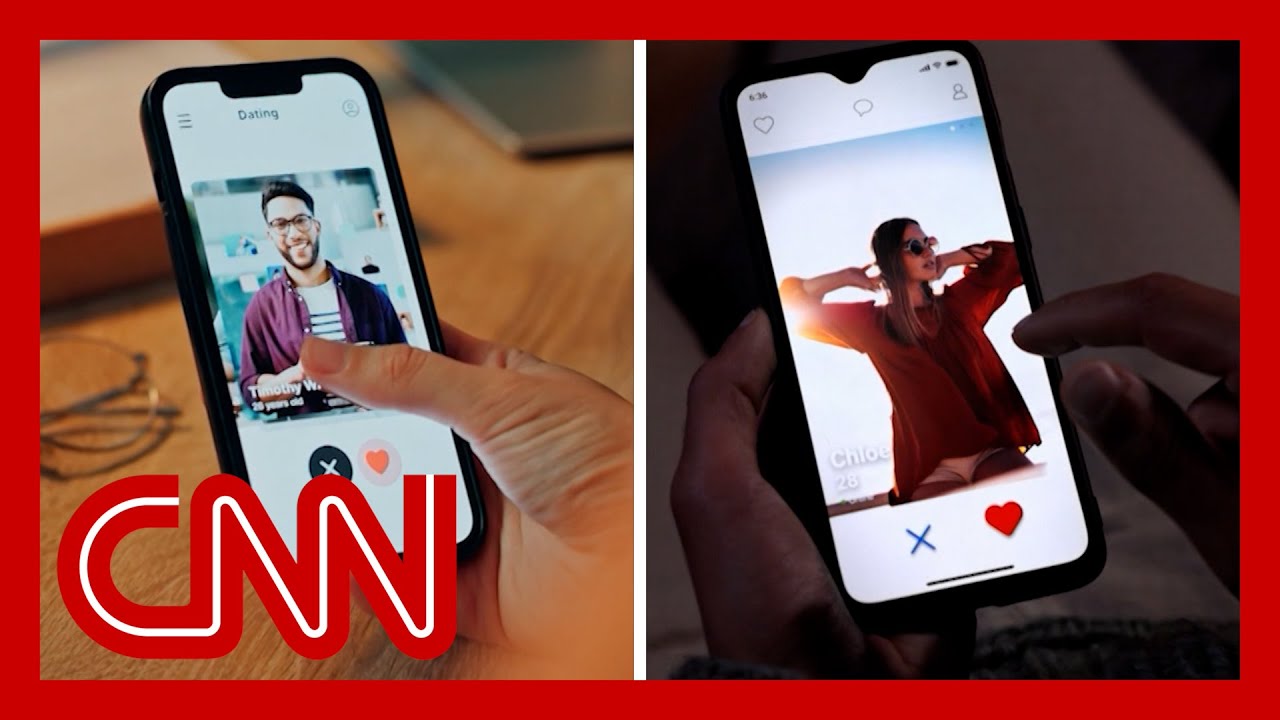
As we edge closer to 2026, whispers of an offline revolution are echoing through social media. While it seems unrealistic to suggest a complete withdrawal from the digital realm, there appears to be a collective yearning for a reprieve, particularly from dating apps. The sheer exhaustion derived from these platforms raises a pressing question: could the era of dating apps be drawing to a close?
A Digital Generation’s Experience
For many in Generation Z, digital life has shaped their social engagements, from party planning on Facebook to photo sharing on Instagram. Yet, when it comes to dating apps, opinions diverge sharply. A frequent lament is that these platforms bring more heartache than joy. A user might delete an app multiple times, only to find that the experience is far from uplifting. "Dating is awful," a user exclaimed, articulating the sentiments of countless others who navigate the treacherous waters of modern romance.
The UK’s digital regulator, Ofcom, reported concerning numbers: Tinder lost nearly a million users between 2023 and 2025, while Hinge saw a drop of over 130,000 in 2024. This trend reveals a discontent that goes beyond mere frustration with technology; it signals a deeper questioning of relationship dynamics fostered by these apps.
The Impact of Dating Apps
Dating apps have created a unique dichotomy where individuals often feel more isolated despite having innumerable options. "The worst I ever feel about myself is when I’m using that app," confessed one user. Such statements underscore the emotional toll that curated interactions can inflict on mental well-being.
Experts argue that dating apps have redefined our perceptions of love. For some, the choice to pursue relationships through these platforms feels like the only viable option. This leads to a cycle of disappointment, as users often encounter an array of incompatible partners. The outcomes frequently amplify feelings of inadequacy, leaving many questioning their worth and desirability.
The Demographic Divide
Interesting dynamics unfold when examining user demographics. According to a poll, 57% of online dating app users are men, while only 38% are women. This mismatch can often lead to frustration on both sides. Women may feel overwhelmed with subpar options, while men struggle to receive any matches at all. This disconnect has begun to breed a sense of hopelessness, compelling some to seek out professional dating consultants who charge hefty fees—upwards of $250 an hour—to improve their user experience.
The Role of Consultants
Enter Jenny Dill, a dating consultant who has become a lifeline for those feeling overwhelmed. With a clientele that consists mainly of individuals wrestling with "Hinge burnout," Dill’s role is to help users refine their profiles and approaches. Many clients cling to the notion that the apps can lead to successful relationships, driven by anecdotes of friends who found true love through similar means.
However, the consultation trend reflects a more profound issue: the desperation and expectations tied to digital dating. Users often internalize their failures, believing that lack of matches is a flaw they must rectify.
The Possibility of Change
As the landscape of dating continues to evolve, many are hoping for a shift in attitudes towards relationships. Some advocate for women to prioritize their personal lives over romantic pursuits, aiming for fulfillment that isn’t solely derived from partnerships. This perspective encourages a healthier relationship with oneself, alleviating the pressure that dating apps place on individuals.
Additionally, as people grow weary of the ghosting culture ingrained in these apps, some platforms are experimenting with features intended to foster deeper connections. Hinge’s “your turn” limit, for example, aims to curb endless swiping without meaningful engagement, urging users to be more present in their interactions.
Conclusion
While the future of dating in a digital world remains uncertain, one thing is clear: people are searching for more authentic connections. As discussions surrounding the impact of dating apps continue to circulate, it may be that a deeper introspection leads us back to the basics of human interaction. Perhaps we’ll soon see a shift, where meeting in person—away from the screens—becomes the more sought-after choice. Only time will tell if 2026 truly marks the year we begin to embrace an offline existence in the realm of romance.