A Month After the US Strikes: The Evolving Political Landscape in Venezuela
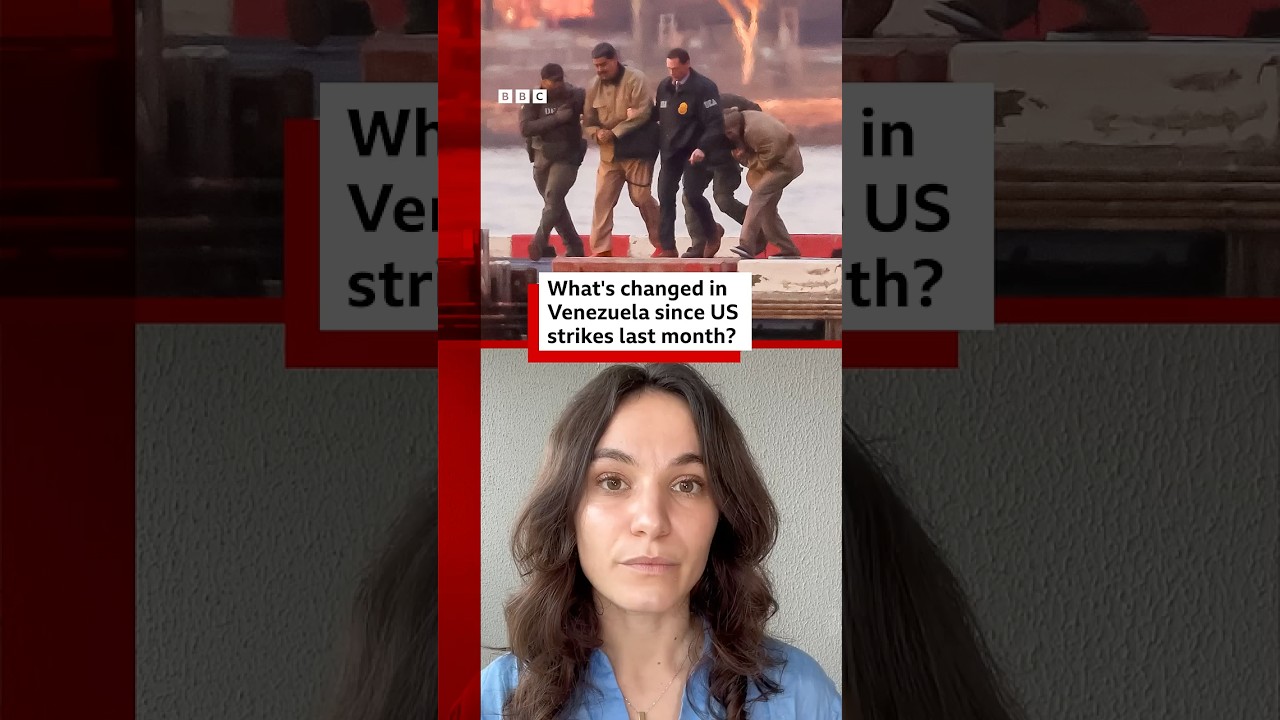
It has been a month since the United States executed military strikes in Venezuela, capturing President Nicolás Maduro. In that short time, the nation’s political environment has undergone various shifts, yet many elements remain unchanged. Maduro’s vice president, Delcy Rodríguez, has taken the helm as interim president, while key ministers continue in their roles, illustrating the continuity of leadership even amidst profound upheaval.
Despite the dramatic actions taken by the US, Maduro’s administration is not entirely dismantled. Rodríguez and other top officials maintain their loyalty to the ousted president, though they now operate under increased scrutiny. The US has made it clear that further actions could be on the table if they do not submit to American expectations. This implicit threat serves as a reminder that Washington is closely monitoring the Venezuelan government’s compliance.
One of the most significant areas where US influence is palpable is the oil sector. Venezuela, rich in oil reserves, has long been a focal point of economic struggle. Recently, Venezuelan lawmakers have voted to permit private investment in the oil industry, a move seemingly designed to attract foreign capital and expertise. The US has encouraged private companies to reinvest in Venezuela, a strategy that could reshape the country’s economic landscape.
Moreover, the Biden administration has slightly relaxed some sanctions regarding Venezuelan oil exports, indicating a willingness to allow for some economic reopening. Officials assert that any proceeds from oil sales will be directed to benefit the ordinary Venezuelans, a claim that raises questions regarding its true intentions. While these developments hint at possibilities for revitalizing the ailing economy, skepticism abounds regarding how income from oil will be managed and to whom it will genuinely benefit.
In the realm of human rights, however, the government’s actions have been met with criticism. The Maduro administration has purportedly released several political prisoners and announced the closure of a notorious prison implicated in widespread torture. Although these steps suggest a willingness to improve, rights organizations are quick to remind us that the pace of progress is painfully slow. Hundreds of political prisoners remain incarcerated, and many feel forgotten in the tide of political maneuvering.
Equally concerning is the absence of a clear pathway to democratic elections. Venezuela’s judicial and electoral systems remain firmly under government control, casting a long shadow over prospects for free and fair elections. The lack of a transparent democratic process leaves citizens questioning the legitimacy of any future leadership. The current environment evokes a sense of uncertainty about the future of democracy in Venezuela, as entrenched power dynamics continue to operate without meaningful checks and balances.
In conversations about the future of Venezuela, the question looms large: can the country break free from its authoritarian past? The Biden administration’s involvement raises hopes for a transitional government; however, these hopes must be tempered with a realistic perspective on the entrenched interests of current officials.
The legacy of US intervention is complex, often marked by unintended consequences. While it remains to be seen how this latest chapter will unfold, one thing is clear: the road ahead for Venezuela will require more than just external influence to bring about substantive change. Until there is a commitment to democratization and genuine rule of law, both the nation and its people will continue to grapple with political instability and economic uncertainty.
In conclusion, the interplay of international and domestic forces shapes Venezuela’s current trajectory. As Maduro’s loyalists retain power and limited reforms trickle through the system, the country stands at a crossroads. The coming months could prove pivotal; whether they lead to meaningful change or further entrenchment in the status quo will ultimately depend on the actions of both Venezuelan leaders and the international community. The world watches closely, as the fate of a nation hangs in the balance.