Winter Driving: Navigating the Challenges Post-Snowfall
As winter storms blanket regions with snow, the aftermath can become a treacherous landscape for drivers. Recently, OP Sergeant Carrie Schmidt provided an essential update on current conditions along the Greater Toronto Area’s Highway 400 series. During her briefing, she addressed the ongoing challenges faced by motorists and law enforcement alike, shedding light on both the recent collision statistics and safety concerns.
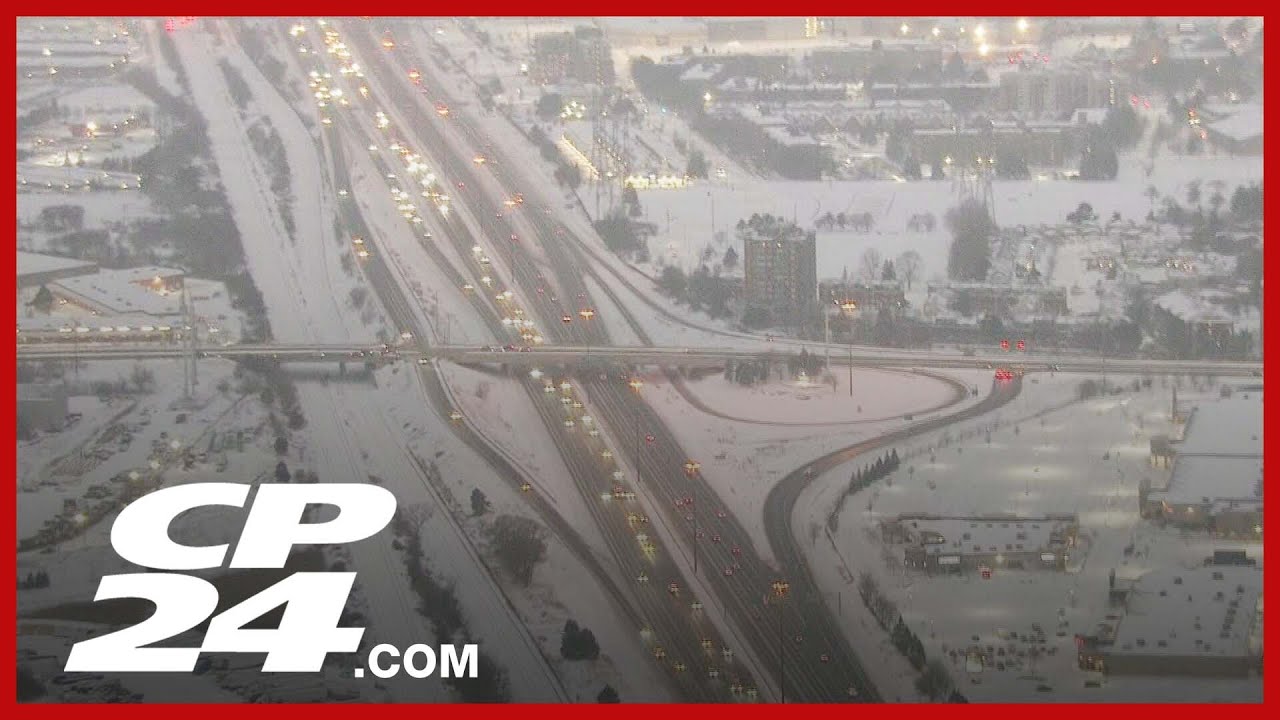
Sergeant Schmidt noted that while major highways are improving as road maintenance crews are actively working, side streets remain problematic. The accumulation of snow on these less-traveled roads has made them precarious for drivers. Schmidt reported that the Ontario Provincial Police responded to approximately 200 collisions in just 24 hours during the recent storm. This staggering figure highlights the urgency of winter driving awareness. Additionally, there were around 150 other calls involving vehicles stranded in ditches, buried in snowbanks, or otherwise immobilized by the winter conditions.
Despite the heavy snow leading to a high volume of incidents, it was fortunate that the events unfolded on a Sunday, which typically sees reduced traffic. However, the challenges on the roadways were nonetheless significant. Sergeant Schmidt emphasized that, although the highways are showing marked improvement, the shoulders and off-ramps remain slick and hazardous. Caution is still advised for those returning to the roads.
Sergeant Schmidt reported no fatal incidents related to the snowstorm, apart from one sudden death investigation on Highway 712. Details are still being verified to determine whether the circumstances were weather-related. Aside from that isolated case, most of the challenges encountered were minor collisions or non-injury incidents, such as jackknife tractor trailers and blocked roadways due to stranded vehicles. Drivers in these situations often expressed frustration, regretting their decisions to venture out during adverse weather.
A particular point of concern raised by the Sergeant involved driver behavior around snowplows. Reports of motorists tailgating or attempting to pass snow-clearing vehicles demonstrated a troubling trend. Snowplows are tasked with an essential job—clearing the roads for safe passage. Attempting to navigate around or between these vehicles can lead to dangerous situations. Sergeant Schmidt underscored that it is both illegal and hazardous to maneuver around a plow while it is actively working. A recent collision involving a snowplow and a tractor trailer serves as a chilling reminder of the risks involved; thankfully, there were no serious injuries in that case, but it disrupted essential snow-clearing operations.
As winter weather lingers, the common dangers that arise the day following snowfall become apparent. Sergeant Schmidt highlighted complacency as a primary issue, where drivers, feeling a false sense of security as the roads appear cleared, accelerate beyond safe limits. The fact that the highways may look passable can mislead drivers into believing that they can maintain standard speed limits. However, hidden hazards linger in the form of residual snow on off-ramps and shoulders, which can lead to miscalculations and potential accidents. The temptation to return to normal driving behavior can precipitate more severe collisions, raising the stakes for all involved.
In conclusion, the challenges of winter driving are compounded by both environmental conditions and human behavior. Awareness, caution, and compliance with road safety regulations are more critical than ever in these wintry conditions. As we move through the ongoing winter season, regular updates and conversations like those provided by Sergeant Carrie Schmidt are invaluable. Understanding the unique risks associated with winter weather not only keeps drivers safer but also aids law enforcement in managing the impact of adverse conditions on our roadways. With conditions expected to improve, the hope is that both drivers and motorists remain vigilant, promoting a safer environment for all.