Polar Bear Adaptation: A Surprising Tale from the Norwegian Arctic
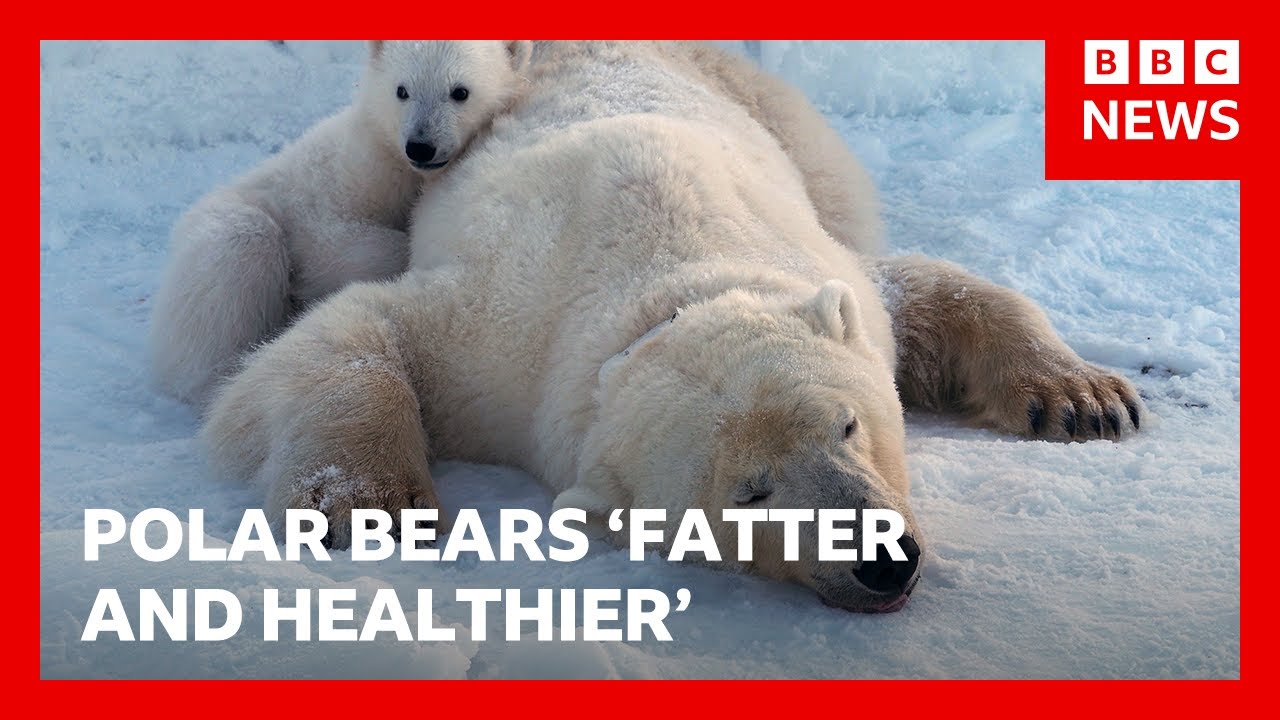
In an intriguing turn of events amidst the rapid decline of sea ice, scientists have discovered that polar bears in the Norwegian Arctic are gaining weight. This finding contradicts expectations, considering the threats posed by climate change to their natural habitat. Over a three-decade-long study, researchers have meticulously assessed the body weight and health of hundreds of polar bears, revealing a notable increase in fat reserves since the early 1990s.
This phenomenon can be attributed to the bears’ remarkable ability to adapt to changing environmental conditions. As traditional hunting grounds on sea ice continue to diminish due to rising temperatures, these apex predators have begun to explore alternative food sources available on land. In the Norwegian archipelago of Svalbard, where the study was conducted, researchers evaluated the body condition of 770 polar bears, uncovering the unexpected increase in their weight amid worsening ice conditions.
The results indicate a complex relationship between climate change and polar bear behavior. With the Arctic region experiencing an increase of approximately 100 ice-free days each year since the study began, bears are adjusting their diets to survive. They are now hunting more frequently for land-based prey, including reindeer, bird eggs, and even walrus — a species that has seen a population resurgence following protective measures against overhunting. This shift in diet has proven beneficial for the bears in the short term, allowing them to maintain their health despite diminishing ice resources.
However, the scientists caution that this positive trend may be temporary. As sea ice continues to recede, the challenge of accessing food may intensify. Bears may find themselves required to travel greater distances between hunting grounds, potentially exhausting their energy reserves more rapidly. The intricate balance of their ecosystems emphasizes the importance of monitoring these changes, as they can have long-lasting implications for polar bear populations across the Arctic.
Polar bears fundamentally rely on sea ice as a platform from which to hunt seals, their primary source of nourishment. However, with climate change steadily eroding this vital hunting ground, researchers are concerned about the impacts on other polar bear populations throughout the Arctic. In Canada, for instance, the situation appears markedly different. In Churchill, a notable decline in polar bear populations has been observed, attributed to the absence of available prey due to loss of ice.
The study highlights a crucial aspect of animal adaptability in the face of climate change. Polar bears possess the capability to shift their diets and hunting strategies, an evolutionary trait that may provide temporary relief. Nonetheless, reliance on land-based prey is not without its challenges. The sustainability of these new hunting tactics remains uncertain, especially as changing environmental conditions continue to evolve.
The Svalbard findings present an intriguing complexity in our understanding of polar bear ecology. While other populations face significant declines, those in this specific area have demonstrated resilience — at least for the time being. Yet, the scientists emphasize that long-term survival depends on the stability of their habitat and the presence of a balanced ecosystem that can sustain them as they navigate these environmental challenges.
This research serves as a reminder of the ongoing complexities we face in the battle against climate change. While there are instances of adaptation and temporary success, the overarching threat to polar bears and their habitat remains a pressing concern. Continued monitoring and research are essential as we strive to understand the intricate dynamics shaping life in the Arctic. As the landscape evolves, so too do the stories of its inhabitants, reminding us of the profound connections between species and their environments in an ever-changing world.