The Struggle for Safety and Justice in Minneapolis
In the wake of a devastating incident involving federal agents in Minneapolis, public outcry has reached a fever pitch. The loss of a resident, surrounded by the chaos of heavy-handed law enforcement operations, has prompted questions about the safety and integrity of American democracy. This is not just a local issue; it resonates at a national level, challenging the core values enshrined in the Constitution.
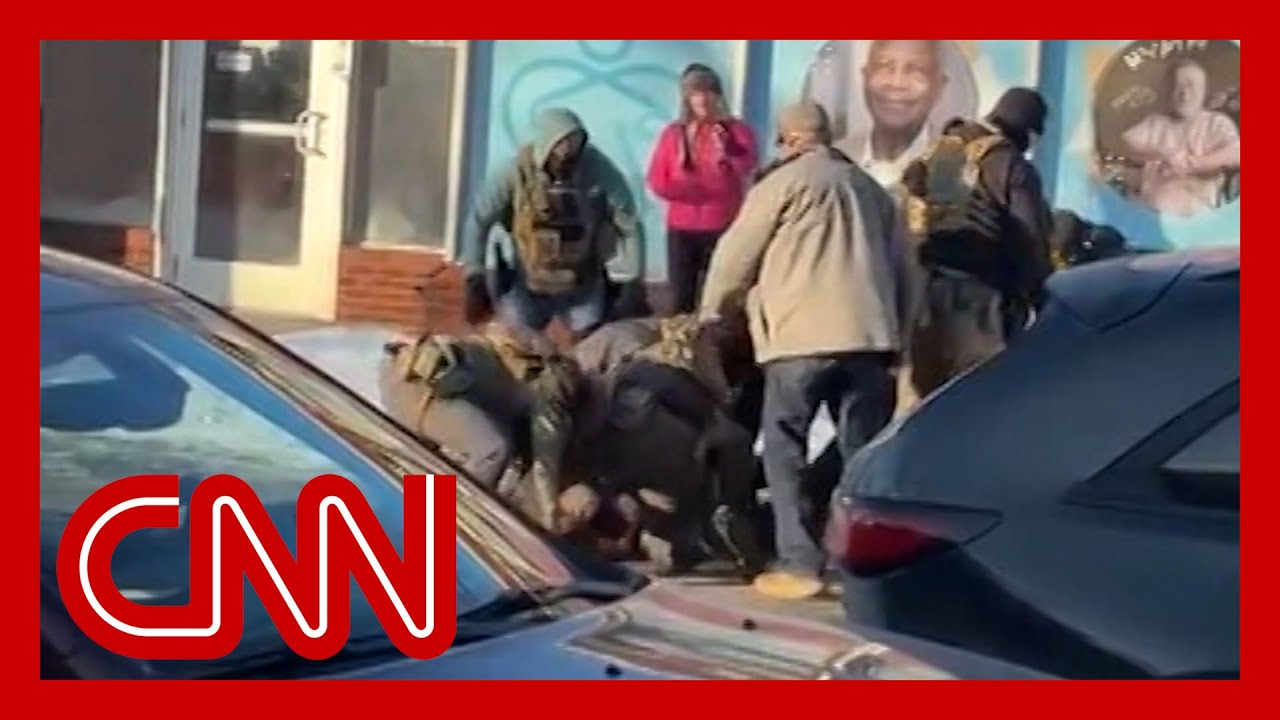
Witnesses reported seeing masked agents overwhelming a resident, recently identified as a 37-year-old American citizen. This brutality, captured on video, has drawn sharp criticism from both local leaders and the general public. The question on everyone’s mind is painfully clear: how many lives must be sacrificed before we recalibrate our approach to governance and public safety?
Local officials have not shied away from addressing the gravity of the situation. "How many more Americans need to die or get badly hurt for this operation to end?" This rhetorical question embodies the frustration felt throughout the community. Leaders are demanding accountability and a reassessment of priorities, urging the administration to place American values above political narratives. The apparent disconnect between federal action and local needs raises alarms about the integrity of law enforcement agencies.
A recent protest in Minneapolis drew around 15,000 individuals, showcasing the community’s resolve. Their peaceful demonstration stood in stark contrast to the militarized presence of federal agents. The protestors embodied the principles of liberty and justice, emphasizing that peaceful assembly is a fundamental right. This raises an essential point: can we foster safety in a community while simultaneously resorting to heavy-handed tactics?
The critique directed at the current administration is sharp. Observers note that federal interventions, often characterized by aggression, are eroding trust in law enforcement. This is not merely about the actions of a few rogue agents; it reflects a systemic issue that requires urgent reflection. The prevailing sentiment among elected officials is that maintaining order should not come at the cost of community trust and safety. "This administration should be reflecting right now and asking themselves, ‘What exactly are you accomplishing?’"
The calls for action extend all the way to the White House. Governor Tim Walz described the recent violence as “sickening,” emphasizing the need for a significant shift in policy. The situation has reached a critical point, making it imperative for federal authorities to engage more transparently with local leaders. Without clear communication, mistrust will only deepen, further destabilizing communities already grappling with complex issues.
Residents and officials alike are seeking a new way forward. Accurate information and a humane approach to law enforcement are paramount. They urge those in power to consider how their actions reflect on the larger narrative of American democracy. Instead of tearing communities apart, there must be a concerted effort to rebuild and restore trust.
Federal spokespersons have cited operational challenges, suggesting that armed resistance necessitated their response. However, this perspective does little to quell the outrage over the use of excessive force. The narrative that law enforcement operates above reproach is rapidly being questioned. As tensions rise, many are left wondering whether these incidents mark a turning point in how we perceive authority and governance.
The voices of protestors resonate not just as calls for change but as a reminder for future generations. “What did you do to protect your city? What did you do to protect your nation?” These are questions that we must confront earnestly. The actions we take today will shape the landscape of justice and safety tomorrow.
Minneapolis stands at a crossroads, and the path forward requires collective reflection and action. It is a moment that demands genuine leadership and a commitment to addressing the root causes of unrest. Only then can we hope to achieve a future grounded in safety, trust, and the foundational ideals upon which this nation was built. The call to "end this operation" is not just about stopping violence; it is about prioritizing the well-being of American families and the principles of democracy. It is a moment to act, a time to rethink how we pursue justice and safety in a country that aspires to be united and free.