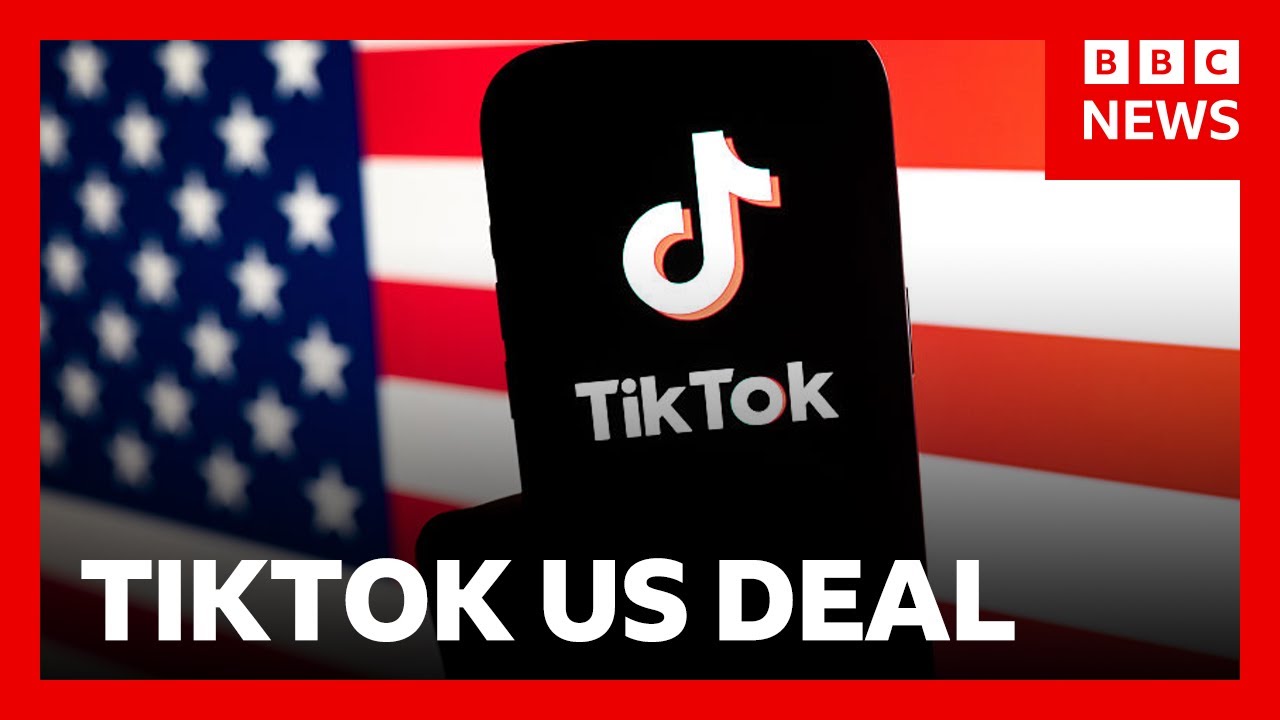
TikTok’s Deal Finalizes: A New Chapter for American Operations
In a pivotal move for the digital landscape, TikTok has finalized a deal allowing its American operations to continue unimpeded. As of today, the app, amid mounting pressure to divest from its Chinese parent company, ByteDance, has shifted its operations into the hands of U.S. investors. Failure to finalize such a deal would have resulted in the app’s ban in the United States by the month’s end. This resolution marks a significant moment in the ongoing discourse surrounding foreign-owned tech companies and they’re impact on national security.
The Deal and Key Investors
Notable developments around this transaction have been circulating over the past few weeks, and today, they were officially confirmed. Major cloud computing giant Oracle, under the leadership of Larry Ellison, has emerged as the primary investor, securing majority control over TikTok’s U.S. assets. Ellison is not just a business mogul; his close ties with former President Donald Trump raise eyebrows about potential political implications as TikTok continues to navigate the complex landscape of American politics.
Joining Oracle in this strategic acquisition are several other firms, including MGX, an Emirati investment firm, along with well-known American venture capital entities like Silverlake, TPG, and Cesahana International. This diversified consortium of investors signals a robust financial backing for TikTok’s U.S. operations going forward.
Legal Background and Political Implications
To fully appreciate the gravity of this development, one must understand the legal backdrop that initiated the call for a divestment. This situation originated from legislation that garnered overwhelming bipartisan support in 2024, ultimately signed into law by President Biden. The crux of the law was straightforward: ByteDance needed to sell its U.S. assets or face a ban on the app, heralded by concerns over national security.
Adding complexity to this unfolding narrative, the U.S. Supreme Court unanimously upheld this legislation early last year, thereby affirming the mandate for ByteDance to divest. Since then, Trump’s administration has played an antagonistic role, repeatedly extending deadlines and suggesting that negotiations were in progress, yet producing little tangible outcome until now.
Shifting the Control
With this announcement, the clouds of uncertainty that had shrouded TikTok for its 200 million users in the United States seem to have cleared. Importantly, ByteDance will still retain an interest, albeit reduced to below 20% ownership in the new American entity. This dilution of control is crucial, as it aligns with regulatory requirements while still allowing ByteDance a stake in the lucrative U.S. market.
There’s an undeniable shift in power dynamics here. With the majority ownership now firmly in American hands, investors and policymakers alike will likely scrutinize TikTok’s operations and data handling practices more rigorously. This procedural transition may serve to alleviate concerns over data security that have plagued the app since its inception, placating worries that user information could potentially fall into foreign hands.
Conclusion
The consummation of this deal heralds a new era for TikTok in the U.S., stabilizing its operations while also opening the door for increased scrutiny. The consortium of American investors signals a proactive approach to mitigating ongoing national security concerns. As TikTok continues to grow and innovate within the social media landscape, it will now do so under a U.S.-led framework.
This development serves as a reminder of the intricate interplay between technology, national sovereignty, and economic interests. As this saga unfolds, it will be interesting to observe how TikTok navigates its dual identity as a global platform and a now American enterprise.