Understanding Frostbite: Risks and Prevention in Extreme Cold
As temperatures plunge well below minus twenty degrees and wind chills exacerbate the situation, the threat of frostbite becomes a pressing concern. With experts emphasizing the increased risk, particularly when wind chill hits minus thirty or lower, awareness is critical for everyone, especially vulnerable populations.
Dr. Mark Yashki, a physician with considerable experience in handling cold-related injuries, has reported a significant uptick in consultations regarding frostbite. Just in the last two days, he received inquiries about frostbite in six cases, some of which were severe. This raises alarm bells, especially for individuals without shelter who face prolonged exposure to harsh weather conditions.
Understanding the symptoms of frostbite is imperative. Initially, victims may experience numbness or mild pain. However, as tissue damage progresses, the pain often dissipates, leading individuals to mistakenly believe they are fine. In reality, the situation is exacerbating. By the time frostbite becomes apparent, it may be too late for simple home remedies.
Hamilton Health Sciences has released a helpful video detailing essential measures for preventing frostbite. One fundamental principle is layering—particularly in critical areas such as the head, neck, feet, and hands. Dr. Yashki offers a more nuanced approach to warming frozen extremities. Rather than submerging hands or feet in warm water, he advocates for more gradual methods. “Go somewhere warm. Layer up. Massage gently,” he advises. Engaging in light physical movement can help rekindle circulation, facilitating a return to normal body function.
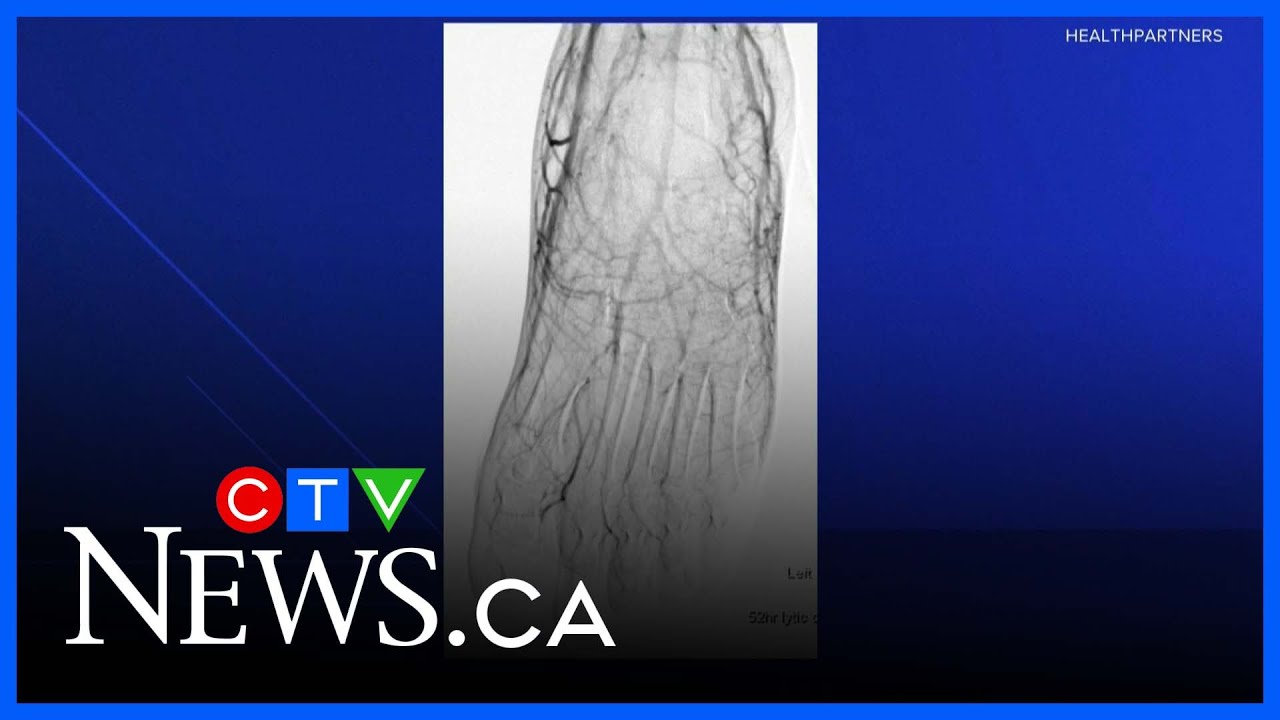
In response to severe cases of frostbite, Canada has recently approved a new medication designed to improve blood flow to affected areas. This drug works by dilating blood vessels, effectively promoting circulation. However, its use comes with caveats. The medication must be administered within 72 hours of frostbite onset, and monitoring is crucial due to potential side effects, which can include a dangerously rapid heartbeat. This adds a layer of complexity in treating frostbite, reiterating the importance of early recognition and intervention.
Individuals should be vigilant for specific signs indicating the need for medical attention. Discoloration of fingers or toes—white or blue patches, along with the development of blisters—are glaring warnings that should not be ignored. Early consultation with healthcare professionals can significantly alter outcomes in severe frostbite cases.
Dr. Yashki stresses common sense as a guiding principle when spending time outdoors during extreme cold. He advises that anyone feeling numb or uncomfortable should seek shelter immediately. It’s crucial to listen to one’s body; ignoring these initial signs can lead to severe complications.
As communities brace for the impending cold snap, it is essential to disseminate information about frostbite risks and the steps that can be taken to mitigate them. Enhanced awareness can protect the most vulnerable while encouraging everyone to prioritize safety in extreme conditions.
In conclusion, as temperatures drop and wind chills rise, understanding frostbite becomes imperative. The responsibility to safeguard oneself—especially for those at risk like the unhoused—cannot be overstated. Emphasizing layered clothing, minimizing exposure, and being mindful of physiological signals are vital steps in avoiding frostbite. In an age where health information is abundantly available, swift action can mean the difference between minor discomfort and severe, lasting damage.