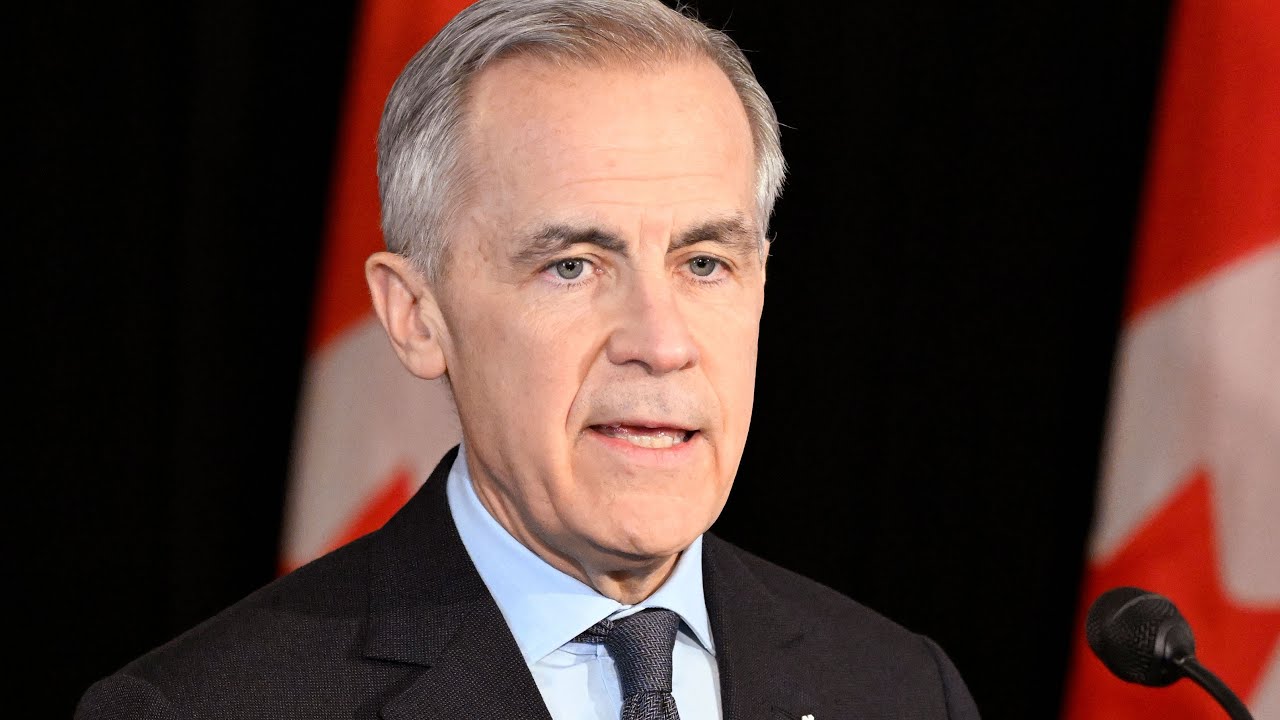
A National Focus on Affordability: Key Initiatives for Canadians
In recent times, affordability has emerged as a primary concern for many Canadians, affecting young families, seniors, and individuals alike. This sentiment resonates across the country and is firmly on the radar of the federal government, where leaders are assessing how best to address the escalating cost of living.
The financial strain faced by Canadian households is not isolated; it exists within a broader global context affecting G7 nations. As such, addressing affordability requires a multifaceted approach linked directly to economic performance. The Canadian government, determined to foster economic strength, is engaging in generational investments. These initiatives are underscored in the Budget 2025, focusing on infrastructure, housing, productivity, and innovation—all vital components that influence daily living in Canada.
One major goal set forth by the Prime Minister is to double overseas exports, a challenge aiming to solidify Canada’s position in global markets. Additionally, supercharging major project development is seen as crucial for building a robust economy. The expectation is clear: fostering an inclusive economic landscape will help elevate the standard of living for Canadians. To that end, the government expects to attract over one trillion dollars in total investments by 2030.
That said, it is important to recognize that the benefits of such investments will not be immediate. Many Canadians are facing urgent economic challenges that require immediate solutions. As a response, the government is committed to bridging the gap for those struggling to make ends meet today while their long-term plans unfold.
At the heart of these initiatives lies a fundamental understanding: affordability is a direct measure of economic success. The government aims to ensure that the positive impacts of economic growth are felt not just at a macro level but also at the kitchen tables of everyday Canadians. For instance, affordable housing enables workers to live near their jobs, while accessible childcare allows parents to fully engage in the workforce. Furthermore, ensuring food security means that Canadians will not have to choose between healthy meals and other essential expenses.
In a recent address, the government announced a range of measures aimed at making life more affordable, particularly for middle- and lower-income Canadians. A significant move involves enhancing the GST credit, which will provide substantial financial relief to families and single individuals struggling with increasing grocery and essential item prices. By raising the existing credit by 25% for five years and offering a one-time payment equivalent to half of the GST credit, the government aims to alleviate some of the immediate pressures faced by households.
The statistics are telling: a family of four currently receiving $1,100 a year through the existing GST credit will now receive up to $1,890 this year and continue to benefit over the next four years, marking a significant financial boost. Similarly, individual beneficiaries will see their annual support increase from $540 to $950 this year.
Beyond immediate financial relief, the government remains committed to addressing the underlying causes of inflation. By investing in improving the resilience of supply chains, the government aims to lower grocery prices. This entails strategic collaborations with food businesses to enhance production capacity and strengthen domestic food supply chains.
Moreover, plans include developing a national food security strategy to enable greater access to affordable and nutritious food. This holistic approach reflects the understanding that tackling food insecurity demands coordinated action across multiple dimensions of society and government.
As Canadians navigate these tumultuous economic times, the shared ethos of looking out for one another remains paramount. The government’s recent initiatives signal a dedicated effort to not only enhance the immediate financial situations of Canadians but also to lay the groundwork for a more affordable and prosperous future.
In conclusion, while the path ahead may involve challenges, the commitment to building a stronger, more resilient, and independent Canadian economy is clear. With policies focusing on both immediate support and long-term economic viability, the government is taking the necessary steps to ensure that every Canadian has the opportunity to thrive.