TikTok, Censorship, and America’s Political Divide
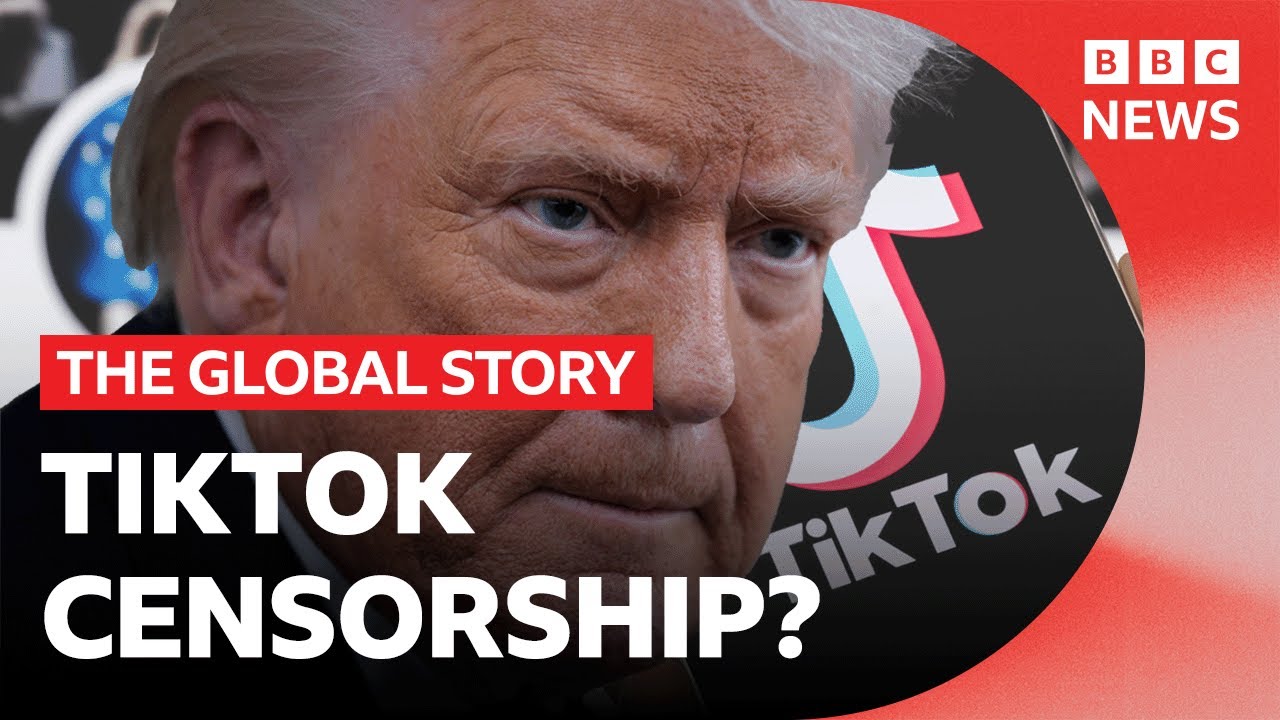
Over the weekend, a wave of discontent swept through TikTok users in the United States, who accused the platform of censoring content critical of the Trump administration. These grievances emerged following a tragic incident in Minneapolis where federal agents killed Alex Prey, a nurse, igniting a public outcry. The Department of Homeland Security stated the agents acted in self-defense, but conversations quickly turned to TikTok’s alleged failures in amplifying important discussions around the event.
Users began reporting difficulties in uploading or viewing videos related to Immigration and Customs Enforcement (ICE). TikTok attributed these issues to technical glitches. However, the timing raises pertinent questions about the platform’s operations under its new U.S. ownership structure—an arrangement that has become increasingly politicized.
This situation unfolds against the backdrop of national security concerns regarding TikTok’s Chinese parent company, ByteDance. Both the Trump and Biden administrations scrutinized the app amidst fears of data misuse. Recently, TikTok finalized a deal to dissociate its U.S. arm from its Chinese origins. The new setup involves a consortium of investors, including Oracle, which raises eyebrows given its ties with Trump allies.
As this corporate restructuring took place, reports surfaced of users experiencing significantly lower engagement on their videos. Many expressed frustration at being unable to reach their audience, leading some to suspect purposely manipulative algorithms. Influencers who rely on TikTok for their livelihood felt particularly vulnerable, with several claiming they had lost income as a result.
Political leaders have moved quickly to capitalize on the situation. California Governor Gavin Newsom has announced a review of TikTok’s practices, claiming to have confirmed instances of suppressed content that criticizes Trump. His proactive engagement further politicizes an already contentious social media landscape, fostering a significant divide along partisan lines.
Critics argue that the app’s ownership change and the coinciding technical problems have indeed led to an atmosphere of suspicion, especially among those on the political left, who perceive the app as a potential mechanism for censorship. High-profile figures, such as actress Meg Stalter, have voiced their concerns, even announcing their departure from the platform.
As these allegations unfold, they provide an insight into a larger phenomenon: the political utility of social media. TikTok, like many platforms, has become a battleground for competing narratives. The power social media holds to influence public perception and political discourse is undeniable, raising critical questions about transparency and accountability.
Yet, conservatives appear less perturbed by these allegations. Many young Trump supporters have embraced the new ownership model, viewing it as an avenue for "freedom of expression." This starkly contrasts with the frustrations articulated by users on the left, particularly around perceived censorship and algorithm manipulation.
It is essential to notice that the current environment reflects broader societal concerns about information integrity and the power dynamics within the tech industry. The interplay between government and tech might influence how these platforms operate, often swaying them toward political interests.
Social media platforms, including TikTok, are not only shaping cultural discourse but are also being shaped by it. As political figures seek to leverage these platforms for their own narratives, the intricacies of user experience are often overlooked.
This ongoing situation exemplifies a critical moment for America—a moment marked by distrust in both government and tech entities. The events surrounding TikTok serve as a microcosm of the larger, deeply entrenched divisions within the U.S. public, underscoring a growing need for transparent dialogue about how social media platforms operate and the impact they wield.
In a landscape where narratives can be manipulated, both by political forces and the platforms themselves, users must remain vigilant. They should advocate for greater transparency and accountability, ensuring their voices are amplified and not silenced. As this story develops, it will undoubtedly serve as a potent reminder of the power dynamics that govern not only online interactions but also the fabric of American society itself.