Ukraine’s Resilience Amidst Ongoing Aggression
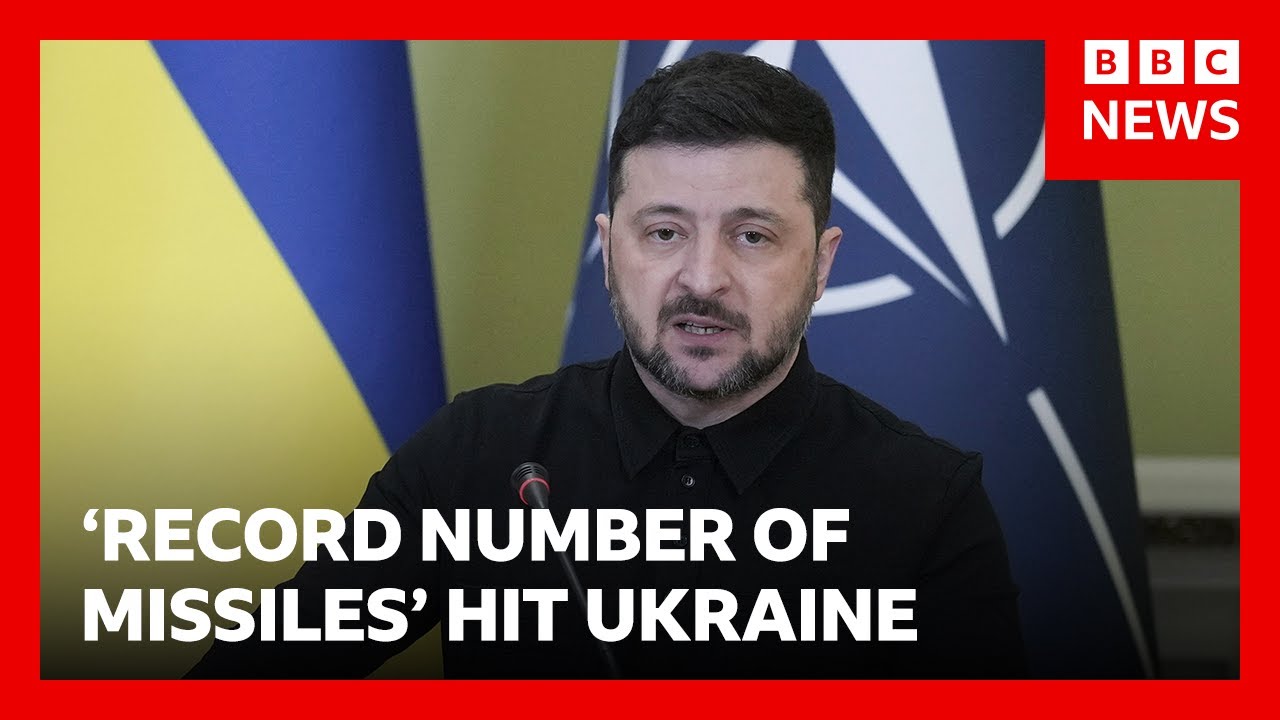
As winter envelops Europe, Ukraine finds itself grappling with a dual crisis: a relentless war and plunging temperatures. President Volodymyr Zelensky has condemned Russia’s latest bombardment of Ukraine’s energy infrastructure, emphasizing that such strikes, which occurred during some of the year’s coldest days, are aimed at instilling fear and desperation among the Ukrainian populace. With temperatures plummeting to minus 20 degrees Celsius, the stakes have never felt higher.
In recent days, Kyiv and the eastern city of Kharkiv were hit hard, resulting in significant damage to the already fragile energy sector. The head of NATO paid a surprise visit to Kyiv, underscoring the gravity of the situation. This meeting coincided with a commemoration of the victims of the ongoing conflict, a stark reminder of the human cost of this war. The geopolitical landscape remains fraught with tension as global leaders continue to assess their strategies for dealing with Russian aggression.
To gain deeper insights into the current realities facing Ukraine, I spoke with Kira Ryk, a member of the Ukrainian Parliament. She vividly described the harrowing experiences of the last 48 hours. “We all hoped that Russia might be afraid of the consequences,” she reflected, “but we were proven right in our belief that they cannot be trusted.” This latest wave of attacks brought a devastating assault on Ukraine’s energy infrastructure, causing unprecedented damage and jeopardizing countless lives.
The scale of the attack is staggering: over 450 drones and more than 70 missiles targeted various locations across the country. The psychological toll of such terrors reverberates through communities already burdened by war. Ryk described the daily struggle faced by families as they adapt to an existence defined by uncertainty and fear. “For many families, we only have energy and electricity during the night,” she explained. “You wake up at 1:00 a.m. when the lights are on, and you scramble to complete chores, hoping to gain some semblance of normalcy before the darkness returns.”
As morning breaks, families are plunged into an atmosphere of gloom and dread. Each day becomes a test of endurance, marked by the constant specter of missile strikes. For many, this means providing warm food and comfort to those in shelters, reflecting a spirit of resilience in the face of overwhelming adversity.
The question arises: Is it time for Europe to intensify its support for Ukraine? Calls for action have grown louder, particularly as some political leaders seem to misjudge the nature of the conflict. Ryk emphasized that while there is no straightforward solution, the path forward is clear: “We need to weaken Russia and strengthen Ukraine.”
One critical measure proposed is the confiscation of frozen Russian assets. Ryk argues that these resources should be repurposed for the defense and welfare of Ukraine, stating, “This is the right and fair way to proceed.” The legal framework for such actions appears to be in place; what remains is the decisive political will to act.
As Ukraine endures its darkest hours, the international community must watch closely. Time is of the essence; decisive actions can either offer relief to those suffering or allow the cycle of violence and despair to continue unabated. Strengthening Ukraine isn’t merely a political obligation; it reflects a moral imperative to uphold the values of sovereignty, democracy, and human dignity.
In this chilling chapter of European history, amid the backdrop of war, the resilience of Ukraine stands as a beacon of hope—a testament to the human spirit’s capacity to endure and strive for a better future. As winter’s chill invades not just the landscape, but also the hearts of millions, the collective voices demanding justice and support grow ever louder.