Navigating the Political Landscape: The Democratic Stance on Shutdowns and Immigration
In the current political climate, the Democrats find themselves wielding a limited set of tools as they grapple with the implications of government shutdowns. While their emotional appeals resonate with constituents, they must navigate the realities of their minority status in both chambers of Congress. Tensions are high as the deadline for funding major agencies approaches, and the party’s stance on immigration continues to complicate negotiations.
One useful historical reference is the last significant government shutdown, during which a faction of Senate Democrats made the pivotal decision to align with Republicans to reopen the government. One voice in this ongoing dialogue is Senator Angus King, an independent who caucuses with the Democrats. He has expressed strong opposition to including Homeland Security funding in current negotiations, urging for a careful re-evaluation of issues in a more isolated and accountable manner. King advocates for honest negotiations that could avert a shutdown entirely.
In a related commentary, Congressman Tom Suozzi from New York regretted his previous vote to reopen the government. His reflections underscore the divided sentiment within the Democratic ranks. The party’s leaders are being challenged by moderates in swing districts who recognize the urgent need to seize control of the narrative, particularly when it comes to issues like immigration laws and funding.
The situation is further complicated by the fact that many Democratic senators are currently aligned with a specific stance that opposes the inclusion of certain immigration enforcement provisions—principally those associated with U.S. Immigration and Customs Enforcement (ICE)—in the budget proposal. The consensus among insiders is that the probability of solidifying enough votes to meet Republican demands is slim, leaving little room for compromise. As a result, the prospect of a government shutdown looms large.
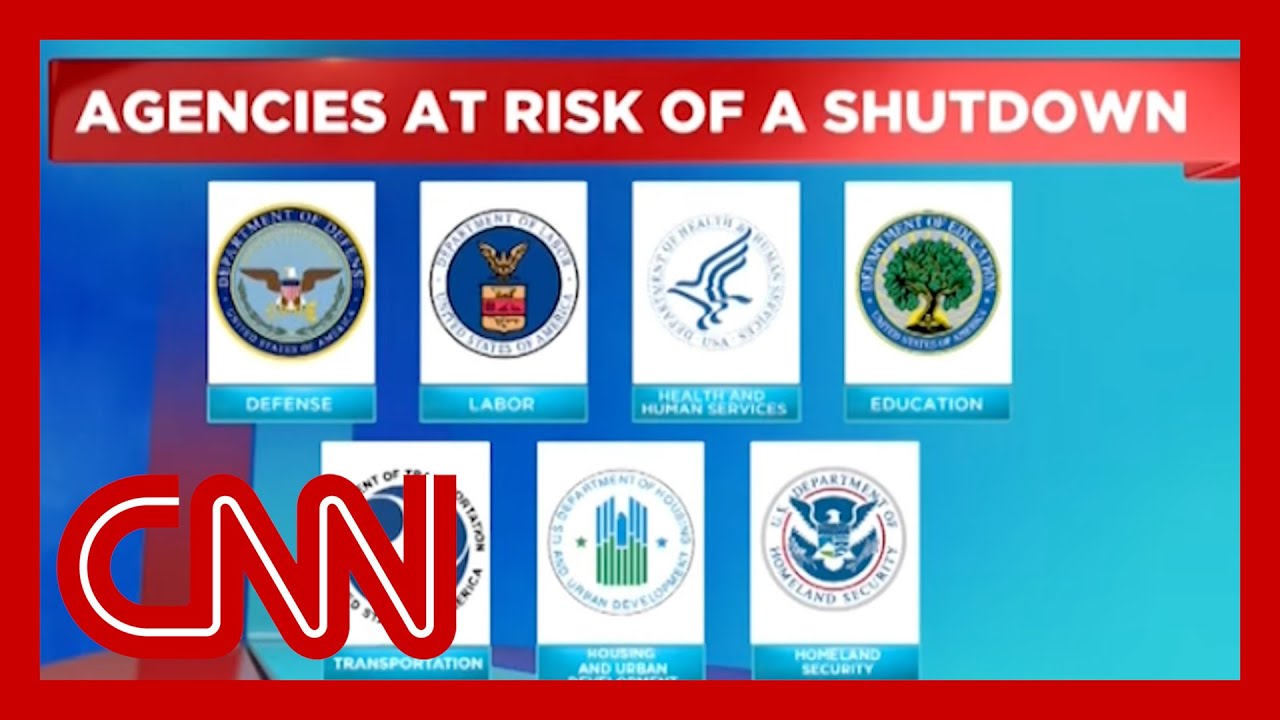
This current impasse reveals a dual problem: procedural and policy-related. The looming Friday deadline creates a time-sensitive environment where any one senator can stymie discussions, complicating efforts for a swift resolution. If compromises are not reached, a government shutdown could significantly disrupt essential government functions, affecting agencies like the Defense Department, Labor Department, and various sectors focused on health and human services.
Meanwhile, the House of Representatives is on recess, exacerbating the looming crisis. The dynamics have shifted, as several Democratic leaders have pivoted away from a previously lenient stance to adopt a more combative approach, with some representatives explicitly advocating for the eradication of ICE as it operates under the current administration. Congresswoman Angie Craig from Minnesota is at the forefront of this sentiment, asserting that Democrats must utilize every tool at their disposal to rectify what they see as "authoritarian" practices.
Her emphatic rhetoric resonates with a wider audience, emphasizing the potential consequences of failing to act against what she describes as "out of control" federal agents. Craig’s declarations reflect a heightened emotional tenor among many party members, evident in their appeals to historical injustices and urgent calls to stand against perceived governmental overreach.
Critically, the escalating controversy surrounding ICE is not limited to the Democratic party. Reports indicate a growing concern among moderate Republicans, who fear that failure to address these issues will have detrimental effects in future elections. Both sides of the aisle recognize that public sentiment is increasingly restless, particularly with footage of enforcement operations stirring up significant public outcry.
In summary, as the Democrats navigate these complex negotiations surrounding immigration and government funding, the stakes are higher than ever. With emotions running high and a government shutdown potentially on the horizon, the party must carefully weigh its options, recognizing both the power of the purse and the political ramifications of their decisions. The coming days will undoubtedly shape the narrative of accountability and governance, marking a critical juncture for all stakeholders involved.