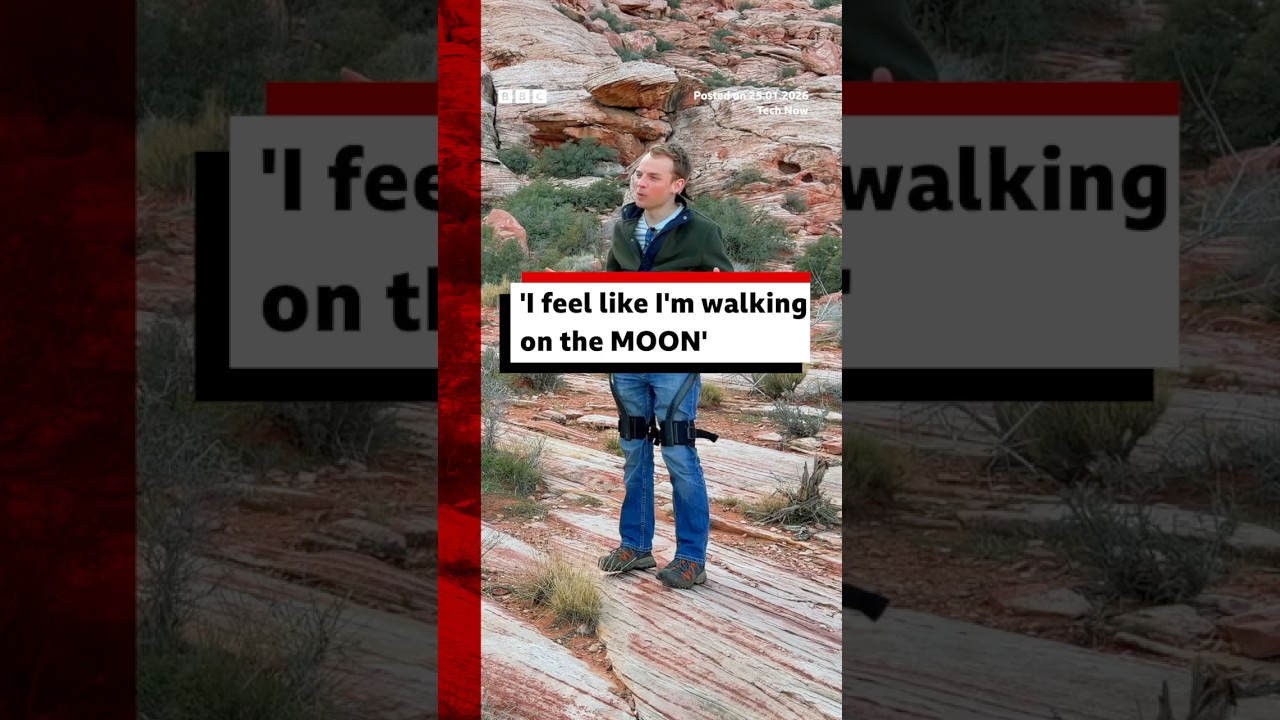
Unleashing Human Potential: The Exoskeleton Experience
In the realms of outdoor adventure, where the pursuit of summits frequently tests human limitations, a remarkable technological advancement is making waves: the exoskeleton. Designed to enhance physical capabilities, this device provides wearers an unprecedented boost in strength, particularly benefiting those who endeavor to hike challenging terrains. For both seasoned trekkers and casual hikers, the implications of such technology could reshape how we approach the great outdoors.
The exoskeleton, worn seamlessly around the waist and hips, integrates two powerful motors, each contributing to a combined output of 1,000 watts of peak energy. This innovative engineering facilitates muscle movement, effectively reducing fatigue over prolonged hiking sessions. The result? An ability to traverse further and reach higher peaks than previously possible. Many users report feeling empowered, as though they are defying gravity, moving through the landscape with newfound vigor.
After just an hour of wearing this cutting-edge device, the sensations can be perplexing. At first, the feeling may seem subtle, prompting questions about its effectiveness. However, a mere switch-off of the device reveals a striking contrast: the legs suddenly feel the weight of their own mass—an unmistakable reminder of the exoskeleton’s role in augmenting strength. Users often find themselves negotiating the balance between the perceived lightness of movement while harnessing the machine’s capabilities versus the inherent heaviness experienced once it is disengaged.
This phenomenon raises intriguing questions about human perception and technology. How does the mind adapt to enhanced physical experiences? As one wears the exoskeleton, a blend of curiosity and disbelief sets in. Is this newfound lightness a temporary illusion, or does it signify a lasting change in physical endurance? This device acts not just as a mechanical support, but as a bridge to exploration, pushing the boundaries of what can be achieved on foot.
The design of the exoskeleton also deserves attention. It is crafted with a keen understanding of human anatomy. The waistband rests comfortably atop the hips, ensuring the device does not impede natural movement. Instead, it harmonizes with the body, allowing for a fluid gait, akin to the feeling of walking on the moon—light yet firmly grounded in reality.
Moreover, the exoskeleton paves the way for broader applications beyond recreational hiking. Imagine its potential in fields such as physical therapy or in support of workers engaged in physically demanding jobs. By mitigating fatigue and providing additional strength, the exoskeleton could revolutionize how individuals approach both recovery and labor. This adaptability brings forth a tantalizing prospect: facilitating longer work hours without the accompanying weariness, thereby enhancing productivity and overall quality of life.
Nonetheless, the advent of such technology invites conversations surrounding ethics and accessibility. As we introduce devices that physically augment human performance, questions about equity arise. Who benefits from such innovations? Will these advancements remain a niche product accessible only to a select few, or can we envisage a future where they are widely available, democratizing strength and endurance?
In conclusion, the exoskeleton stands as a testament to the incredible synergy between technology and human capability. By redistributing the burdens of physical exertion, it empowers individuals to explore and conquer more than they ever thought possible. The interplay of innovation and personal experience invites us to rethink our relationships with our bodies and the landscapes we navigate. Indeed, the exoskeleton may simply signal the beginning of a new era in outdoor pursuits, one where the limits of human endurance can be continuously challenged and redefined. In this context, it is not merely a device; it is an enabler of dreams and exploration—a new frontier waiting to be explored.