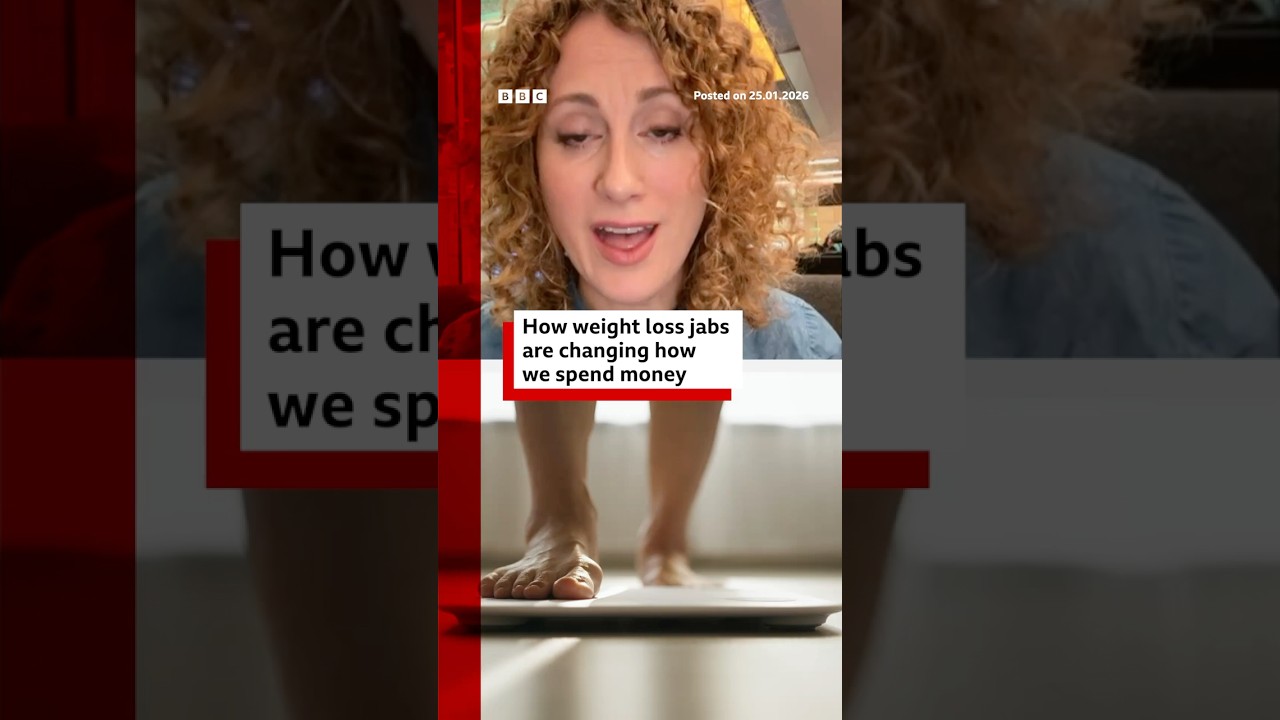
The Financial Impact of Weight Loss Drugs on Consumer Behavior
In recent months, weight loss drugs have emerged as a game-changer in the health and wellness landscape. These medications, often heralded for their efficacy, are not only transforming how individuals approach their diets but also reshaping spending patterns across various sectors, from supermarkets and restaurants to the beauty industry.
Supermarkets like The Co-op, Morrison’s, and M&S have quickly adapted to this shifting demand by launching specialized food ranges aimed specifically at consumers utilizing weight loss medications. These products, often lower in calories yet high in protein, cater to the evolving tastes and nutritional needs of those undergoing weight loss transformations. It’s clear that this trend is more than just a fleeting moment; it’s a response to a burgeoning consumer base that prioritizes healthier options. Shoppers now seek out smaller portions and snacks that are dense in protein.
Restaurants, too, are altering their offerings. Chains are increasingly introducing lighter menus that appeal to individuals looking to maintain their weight loss while enjoying dining experiences. The emphasis on smaller, nutrient-rich plates aligns seamlessly with the goals of many weight loss drug users. These adjustments reflect a readjustment not only in culinary offerings but also in broader consumer expectations. Diners are seeking meals that offer satisfaction without the excess.
Interestingly, the appetite for alcohol is also being impacted. Many individuals on weight loss drugs report a desire to reduce their alcohol consumption. This behavioral shift is likely to propel the existing trend towards alcohol-free alternatives in bars and restaurants. As consumers look to maintain their weight loss achievements, the appeal of lighter, non-alcoholic beverages is growing. Businesses that can recognize and cater to this trend may find themselves capitalizing on a lucrative market segment that prioritizes health without sacrificing enjoyment.
The influence of weight loss drugs extends even into the realm of beauty and aesthetics. With rapid weight loss comes concern regarding skin elasticity and overall appearance. According to the British Association of Aesthetic Plastic Surgeons, there was an 8% increase in facelifts last year. This statistic highlights a new demographic seeking cosmetic interventions as a response to the effects of quick weight loss. The psychological and physical impact of shedding pounds is a crucial consideration for those looking to enhance their appearance post-weight loss, and their willingness to invest in cosmetic procedures represents a noticeable shift in consumer spending.
Moreover, the financial commitment required to access these weight loss medications cannot be overlooked. Depending on the brand, users may find themselves spending between £1 and £350 per week on treatment. This significant investment raises questions about the overall financial implications of maintaining a weight loss journey. Consumers may be incentivized to reallocate their budgets, cutting expenses in other areas such as entertainment or discretionary spending to prioritize their health.
Consequently, as weight loss drugs reshape expenditures across the board, businesses that cater to these changing needs stand to benefit. Health food brands, fitness centers, and even local grocery stores can create targeted strategies that align with this evolving consumer behavior. Marketing campaigns that emphasize the benefits of low-calorie, high-protein options, for instance, could resonate well with the burgeoning demographic of weight loss drug users.
In summation, the rise of weight loss drugs is not merely a health trend; it represents a significant shift in consumer behavior that resonates across multiple sectors. From groceries to dining experiences to beauty treatments, the financial implications are vast. As more individuals turn to these medications, businesses that strategically adapt their offerings will position themselves to thrive in an evolving marketplace. Consumers, in their search for healthier lifestyles, are redefining not just what they eat and drink but also how they view beauty and wellness. The implications of this shift are profound and far-reaching, suggesting a future where health consciousness reigns supreme in consumer decision-making.