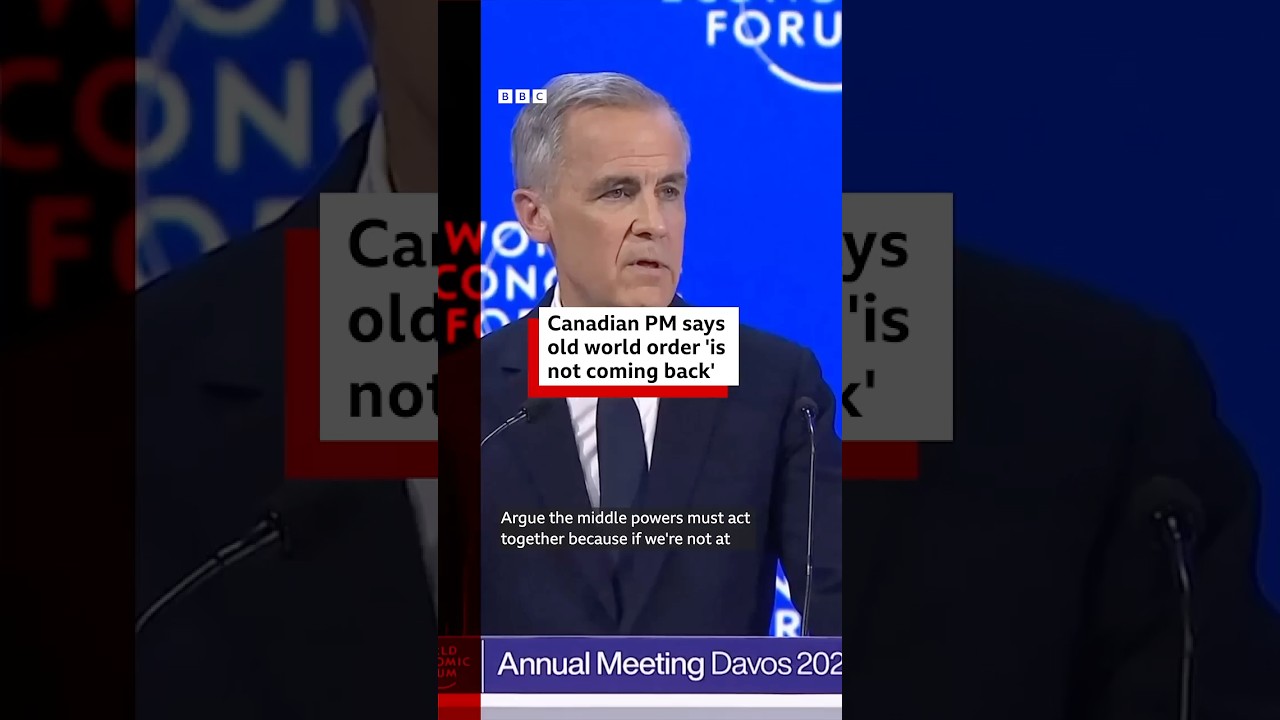
The Imperative for Middle Powers to Unite
In an increasingly polarized world, the dynamics between great powers and middle powers are shifting dramatically. While great powers such as the United States, China, and Russia can afford to act unilaterally, middle powers face a different reality. For them, the adage rings true: "If you’re not at the table, you’re on the menu." This stark reality underscores the pressing need for middle powers to consolidate their efforts. Failure to do so leaves them negotiating from a position of weakness, undermining their sovereignty and long-term interests.
Great powers have vast resources at their disposal. They wield considerable market size, possess significant military capabilities, and exert substantial political and economic leverage. This enables them to dictate terms to a large extent, often sidelining the interests of smaller states. Middle powers, on the other hand, lack this kind of heft. They are often constrained by their smaller economies, limited military clout, and reduced global influence. While they can play important roles in regional stability and international cooperation, they must recognize the limitations of acting independently or in isolation.
When middle powers engage solely in bilateral negotiations with a hegemon, they approach the table with an inherent disadvantage. These discussions often revolve around accepting predetermined terms rather than advocating for equitable arrangements that reflect their interests. This scenario effectively shatters any illusion of sovereignty. Instead of holding their ground, these states may find themselves competing against each other, racing to be the most accommodating to the demands of the great powers. This does not constitute robust international diplomacy; rather, it represents a capitulation to the influence and whims of the more powerful entities.
To illustrate, consider the negotiations on climate change. If individual middle powers attempt to negotiate separately with major emitters, they can easily find themselves at a disadvantage. Either their demands are ignored or they are compelled to accept inadequate offers, simply to get a foot in the door. But what if these nations were to come together, leveraging their collective bargaining power? By forming coalitions, they could present a unified front, amplifying their voices and ensuring their interests are more robustly represented.
This collective action is not just idealistic; it is a pragmatic necessity in today’s geopolitical landscape. Aligning their strategies enables middle powers to pool resources and expertise, enhancing their bargaining position. Whether negotiating trade agreements, environmental policies, or security pacts, a united front can significantly alter the landscape of international negotiations. Large blocs can attract greater attention and, ultimately, compel great powers to take them seriously.
Moreover, collaboration among middle powers fosters not only negotiation power but also shared responsibility. By coordinating their efforts, these nations can drive initiatives that go beyond individual interests, promoting regional stability and economic cooperation. They can work together to tackle common challenges such as climate change, public health crises, and cybersecurity threats. In doing so, they not only fortify their positions in the international arena but also contribute toward a more balanced global order.
However, realizing the full potential of this collective action requires a shift in mindset. Middle powers must transition from viewing themselves as isolated entities to recognizing the strength that comes from unity. This isn’t merely about mutual benefit; it’s about safeguarding their sovereignty against the encroachments of hegemonic states. A commitment to collaboration should dominate the loci of their foreign policies.
In conclusion, the current geopolitical landscape presents a clear challenge for middle powers. Those that choose to act in isolation, engaging in bilateral negotiations under the looming shadow of great powers, risk sacrificing their sovereignty. Instead of being at the mercy of more powerful states, middle powers must find ways to come together, leverage their collective strength, and assert their influence on the global stage. If they succeed in doing so, they will not only secure a seat at the table but help draw the menu, ensuring their diverse interests are respected and represented. In a world divided by power, unity becomes not just an option, but an imperative.