The Evolution of Hollywood’s Beauty Standards
The entertainment industry has long been viewed as a mirror reflecting societal values, aspirations, and prejudices. From the golden age of classic cinema to contemporary streaming platforms, the transformation of beauty standards has been an intriguing journey. The dialogue surrounding this evolution hinges on the idea that what is deemed beautiful is not static but subject to change based on cultural shifts and societal perceptions.
Historically, the archetype of Hollywood beauty was often narrowly defined: glamorous, perfectly sculpted features accompanied by an air of unattainable perfection. Actresses and actors bore the weight of expectations that resulted in a singular portrayal of attractiveness. However, there’s a palpable shift occurring in the industry today, one that embodies a broader range of identities and experiences. This evolution beckons us to reconsider our understanding of beauty, particularly in an industry that once prioritized the flawless.
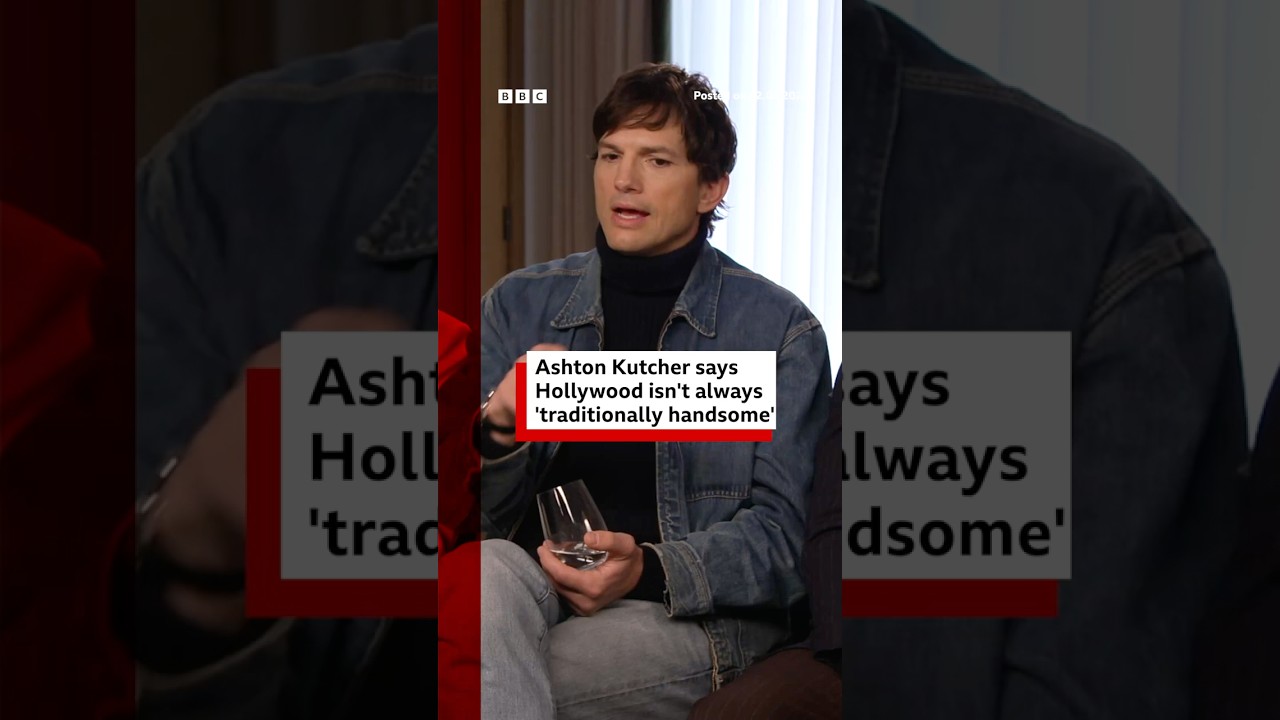
In recent years, we have witnessed the emergence of leading figures who defy the traditional norms of attractiveness. The rise of unconventional actors, such as Seth Rogen winning a Golden Globe, signifies a redefinition of what it means to be a leading man. Rogen’s recognition exemplifies a growing acceptance of diverse talent, challenging the notion that only "perfect" physiques are worthy of acclaim. This shift is indicative of a more inclusive and varied portrayal of beauty, one that resonates with the average viewer and reflects the diversity of real life.
It is essential to highlight that this redefinition is not merely about physical appearance; it is also about character and story. The characters that resonate with audiences today are increasingly rich, multifaceted, and relatable. These stories are not confined by traditional handsomeness or beauty; rather, they thrive on the uniqueness of each individual. This evolution acknowledges that while physical attractiveness is not negated, it is the depth and complexity of a character that truly captivates.
Moreover, as society progresses, audiences are becoming more discerning about the narratives they consume. The demand for authenticity has surged, leading to an increased interest in stories that reflect genuine experiences rather than idealized versions of life. This has prompted studios and creators to focus on a diverse array of narratives that encompass various backgrounds, cultures, and identities. There is a noticeable shift; people are drawn to characters that resonate with their own experiences, allowing for deeper connections to the narrative.
Additionally, platforms like social media have played a pivotal role in democratizing beauty standards. The immediacy and accessibility of these platforms have empowered individuals to share their stories and present their authenticity. As ordinary people gain visibility, the boundaries of Hollywood’s beauty ideals are blurred. Audiences are not merely consuming content; they are actively participating in the discourse surrounding representation and beauty, which has led to a broader acceptance of individual differences.
In conclusion, the transformation of beauty standards within Hollywood reflects a larger cultural evolution. While the industry historically favored conventionally attractive figures, contemporary narratives are breaking these molds. Today, beauty is not merely defined by physical attributes but also by character depth and diversity. The entertainment industry is gradually, though noticeably, embracing a more inclusive definition of beauty that resonates with a wider audience. As this shift continues to unfold, the significance of diverse representation in storytelling becomes increasingly vital, holding a mirror to the multi-dimensional nature of human experience. In gripping narratives and richly portrayed characters, the audience finds not only entertainment but also a deeper understanding of themselves and the society they inhabit.