The Ongoing Impact of Military Operations on Palestinian Daily Life in Hezma
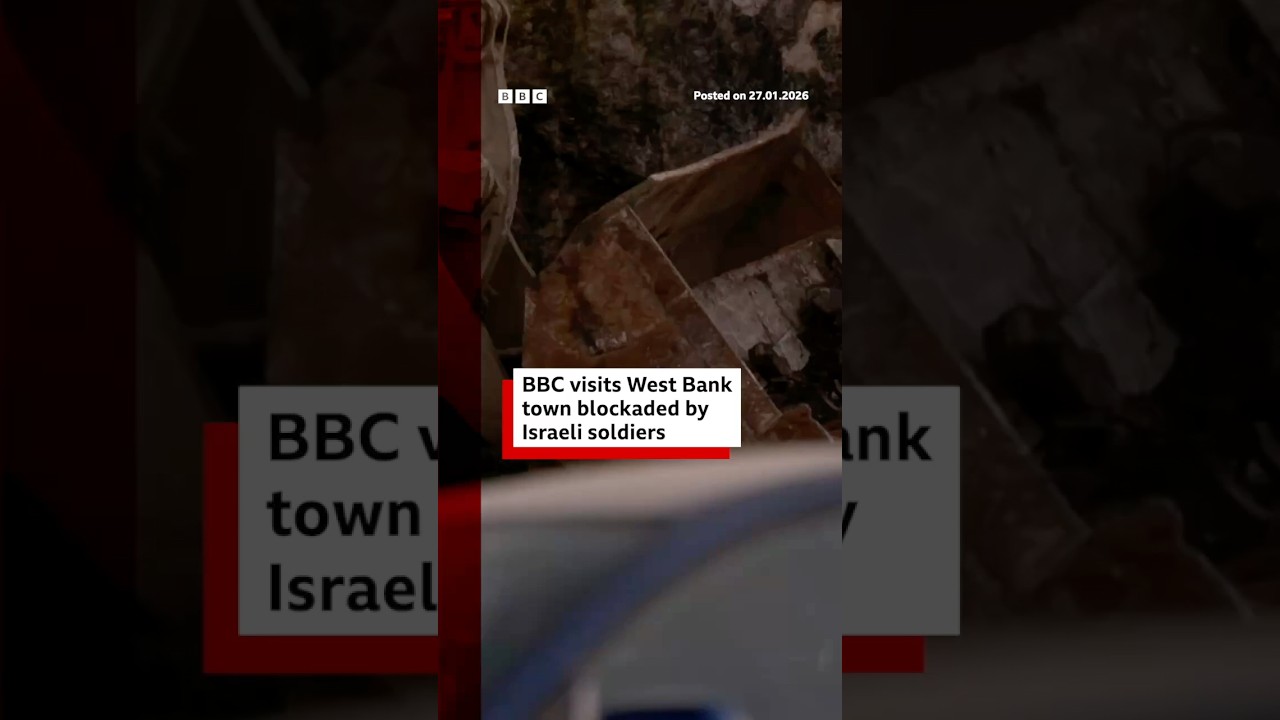
In recent days, the neighborhood of Hezma has witnessed an escalation in military operations by the Israeli army. The sight of bulldozers working tirelessly to construct barricades has become a grim reality for residents. These barricades, made of piled-up rubble, are designed to block access to main thoroughfares, rendering roads impassable for vehicles and paralyzing the local economy. Notices displayed prominently throughout the area inform residents that the measures are being taken in response to "terrorist activity" and underline the prolonged operation by the military as a means to ensure security.
For the Palestinian populace, however, such declarations ring hollow. The daily disruptions caused by these military actions add layers of complexity to their lives. Shops that serve as vital lifelines within the community are being forced to shutter their doors, with business owners receiving little to no warning. One resident lamented, “Bad feelings, bad situation; it’s not the first time.” This sentiment echoes throughout the community, highlighting a pervasive sense of frustration and hopelessness.
When asked how frequently such military interventions occur, locals pointed out a grim pattern. “Many times, several times—maybe every two months, or even once a month.” This cycle of disruption becomes a profound hurdle for those trying to maintain their livelihoods.
As another resident observed, the determination among the people remains palpable. Despite the barricades and checkpoints established by the army, residents are resolved not to be entirely cut off from their town. They navigate the confines of their neighborhood with an air of resilience, finding ways around the obstacles imposed on them. Yet, this resilience is constantly challenged by the pervasive military presence, which is marked by the imminent return of soldiers with bulldozers, ready to rebuild barricades as swiftly as they are dismantled by tenacious locals.
The implications of such military actions extend beyond immediate inconveniences. The constant threat of disruption hampers economic activity, leading to long-term consequences for local businesses. Entrepreneurs face a unique set of challenges: not only must they navigate curfews and closed roads, but many also endure the psychological toll of living under an oppressive military regime. The uncertainty surrounding when and where the next operation will occur fosters an environment ripe with anxiety.
Residents of Hezma are caught in a cycle where their autonomy is continually curtailed. This reality is fraught with complications: the constant fear of military intervention looms large, altering the way people interact with their surroundings. It prevents the community from enjoying the stability and normalcy that so many others take for granted. Each day could bring a new set of restrictions, further complicating matters.
The military’s rationale for these operations centers on security concerns. However, for many Palestinians, these measures serve to reinforce a broader narrative of control and domination. The juxtaposition between stated intentions and the lived experiences of everyday individuals raises pressing questions. What are the implications of a prolonged military presence? How can the residents of Hezma reclaim a semblance of normalcy in their daily lives?
As barricades rise and fall, the future feels uncertain. In moments of quiet, residents might contemplate their next steps, searching for ways to sustain their livelihoods while grappling with the omnipresent shadow of military intervention. The resilience they exhibit demonstrates an indomitable spirit, but it also highlights the solitude that accompanies unwarranted disruption.
The people of Hezma continue to navigate the complexities of their reality, embodying both resistance and perseverance. Each day presents new challenges, yet they remain committed to their community, even in the face of adversity. As bulldozers roll through their streets, it becomes abundantly clear: life goes on, even amid the rubble. The struggle for normalcy in an environment designed to undermine it shapes the narrative of this neighborhood—a narrative that deserves to be heard and understood.