Examining the Response to President Trump’s Address from Davos: A Conversation with Senator Thom Tillis
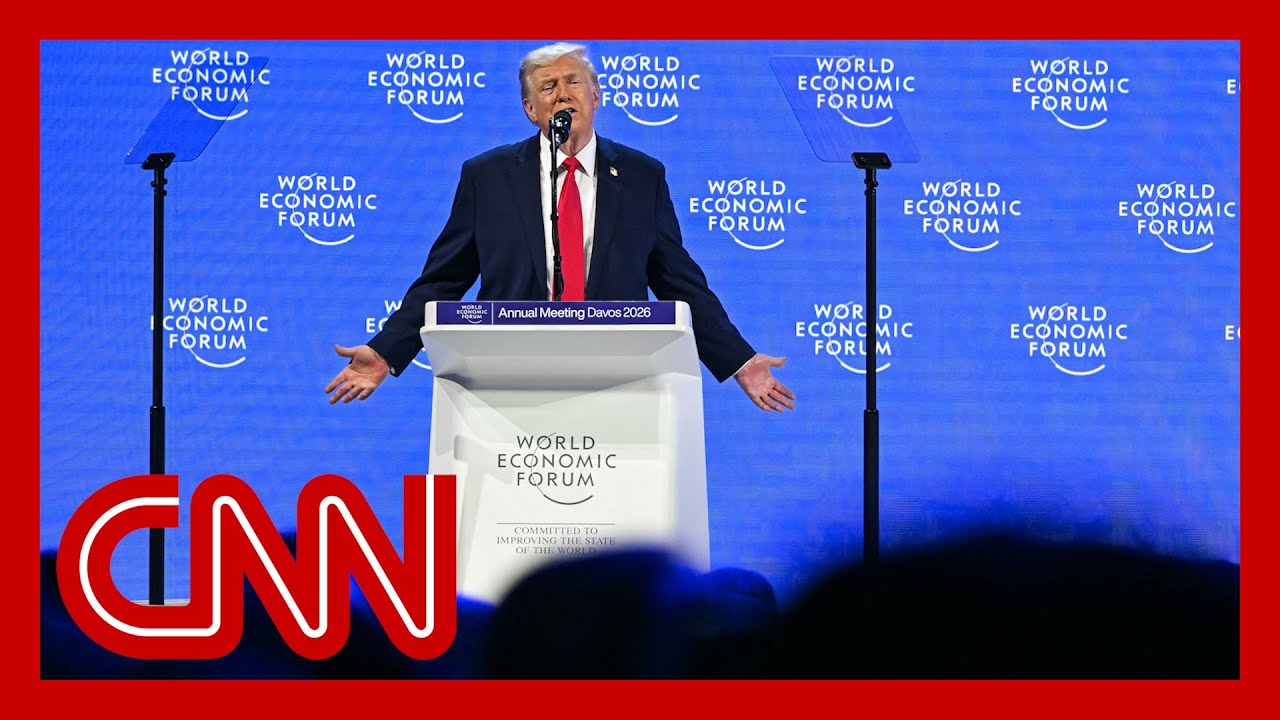
In the heart of Davos, Switzerland, the world’s political and economic elite gather annually to address pressing global challenges. This year, the presence of U.S. President Donald Trump added an intriguing layer to the proceedings. In a conversation with Republican Senator Thom Tillis from North Carolina, we explored the reactions to the president’s speech and the implications for international relations.
Senator Tillis noted a palpable silence during Trump’s address. Seated among the U.S. delegation, he described the atmosphere as marked by restraint, with many attendees exhibiting subdued body language. This silence, he opined, signaled a missed opportunity for forging stronger alliances at a time when global dynamics are shifting.
While he acknowledged Trump’s success in compelling NATO allies to meet their defense spending commitments, Tillis expressed concern that allies might feel compelled to "de-risk" from the United States. “This is very concerning,” he remarked. “When our partners begin to view the U.S. through a lens of worst-case scenarios, it could undermine our position on the world stage.” He emphasized the historical significance of NATO, particularly the collective security principle enshrined in Article 5, which has only been invoked once—after the September 11 attacks.
Dialectics surrounding NATO have become increasingly polarized. Tillis highlighted a recent tweet from Trump, characterizing NATO as “the enemy within.” This statement raises critical questions given the sacrifices made by member states, such as Denmark, which experienced significant losses in Afghanistan alongside American forces. “To show disrespect to our allies who have stood shoulder to shoulder with us is not the way to keep the free world united,” he asserted.
The conversation shifted to Trump’s recent comments regarding Greenland, where he stated he would not use military force to annex the territory. Senator Tillis characterized the president’s declaration as somewhat disingenuous. “Congress would not support a military takeover of Greenland,” he emphasized, suggesting that diplomatic engagement would be a far more prudent and financially sustainable route. “Why spend billions on territory we already have access to?” he questioned.
Tillis further argued for a multinational approach in the Arctic region, advocating for collaboration rather than confrontation. “We can project power in the Arctic without unnecessary expenditures,” he stated. He recalled a previous opportunity when Greenland offered to sell a military base for just one dollar—illustrating the potential for mutually beneficial relations rather than imperialistic maneuvers.
As the discussion unfolded, Tillis expressed dismay at Trump’s characterization of the post-World War II decision to return Greenland to Denmark. “This is not who we are,” he lamented, referencing the grave sacrifices made by soldiers from nations like Denmark. It is this background that imbues the current geopolitical landscape with deeper ethical implications.
European leaders have reacted with astonishment to Trump’s threats of tariffs aimed at NATO allies opposing his Greenland initiative. Tillis acknowledged that repairing relationships would require concerted effort on both sides. He noted the financial contributions of NATO countries to defense has been lacking, a shortfall that has consequences on global security dynamics. Yet, he stressed that mutual respect and diplomatic tact are essential for mending rifts and restoring trust.
Reflecting on economic matters, Tillis diverged from the narrative asserting that the U.S. economy is thriving universally. “We cannot ignore the affordability crisis many citizens face,” he said, identifying a disconnect between macroeconomic indicators and the lived experiences of average Americans. His remarks were grounded in personal experience; rising from a humble background, he understands the fabric of economic challenges more intimately.
In summary, Senator Tillis’s insights from Davos offer a nuanced perspective on the intersecting complexities of international relations, national defense, and economic realities. His concerns echo a sentiment that resonates across the political spectrum: the imperative of collaboration over competition, respect over derision, and understanding over division in maintaining global stability. As the international community stands at a crossroads, the path forward must be navigated with both prudence and purpose.