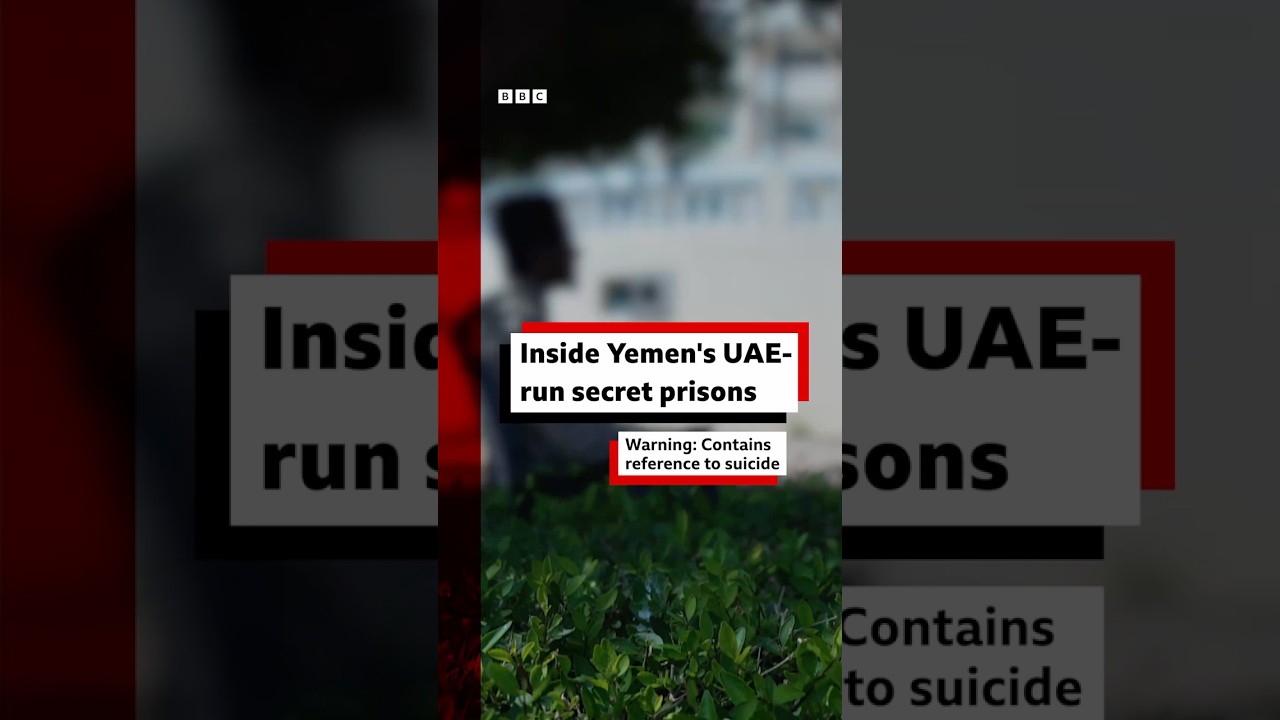
Inside Yemen’s Darkest Shadows: Unveiling the Brutality of Imprisonment
In a significant and unsettling development, cameras have gained unprecedented access to a prison in southern Yemen, a facility previously controlled by the United Arab Emirates (UAE). This marks the first time media has been allowed inside, revealing the hidden atrocities that continue to transpire amidst a decade-long conflict that has ravaged the country. The facility is now under the Yemeni government’s purview, which is backed by the Saudi-led coalition, following the UAE’s withdrawal from Yemen just three weeks ago.
The decision to allow media access—especially Saudi-affiliated outlets—raises pressing questions. Why now? Why expose the Emiratis at this particular moment in Yemen’s complex political landscape? For years, reports hinted at the existence of these prisons. Yet, for the victims who endured unimaginable suffering behind bars, it was seemingly too daunting to believe they would ever see the light of day again.
Witness testimony paints a grim portrait of life inside these facilities. One survivor relayed harrowing details: “I tried to kill myself multiple times to make it end.” This poignant statement encapsulates the despair that permeates the lives of many Yemenis. As the conflict persists, hope dwindles, and survival becomes an arduous struggle, often marked by the ghosts of unspeakable trauma.
The accounts shared by these individuals reveal a systematic use of torture—a grim hallmark of their incarceration. Survivors spoke of various forms of physical and psychological abuse. “All types of torture,” one victim recalled. “When we were interrogated, it was the worst.” They recounted being subjected to extreme violence and sexual abuse—a brutal tactic wielded by their captors. One chilling detail involved a so-called doctor who was, in reality, an Emirati soldier. Rather than providing medical care, he perpetuated the cycle of violence, joining forces with guards to inflict suffering on the already vulnerable detainees.
Amid these allegations, the UAE has remained notably silent. When confronted with requests for comment, officials offered no response, leaving many to wonder about the implications of these incidents. The lack of accountability is troubling, especially against the backdrop of a conflict that has already claimed thousands of lives and displaced millions.
The suffering of Yemen’s people is compounded by an ongoing power struggle between the UAE and Saudi Arabia. Governance remains fragmented, with various factions vying for control amid a deteriorating humanitarian crisis. The future of Yemen appears uncertain, overshadowed by competing interests and geopolitical maneuvering.
These criminal acts have failed to garner substantial international attention, partly due to the complexities surrounding the intricate alliances at play. As the UAE seeks to withdraw its military presence from Yemen, the consequences of its actions linger, exacerbating an already dire situation for civilians caught in the crossfire.
Despite the grim realities depicted in these prisons, the awakening of witnesses willing to share their experiences may signal a turning point. The release of such testimonies shines a light on the obscured suffering of the Yemeni population, challenging the narrative surrounding the ongoing conflict. For too long, the voices of the oppressed have been muffled, drowned out by the clamor of geopolitical interests.
The documentation of these injustices is essential not just for Yemen’s immediate future but for global accountability as well. Each story shared presents a stark reminder of the human cost of war, urging the international community to reassess its role and responsibilities in this protracted conflict.
As the world watches, the hope is that Yemen’s darkest chapters draw the attention they deserve, compelling action that seeks not only to address past grievances but to herald a future grounded in justice and healing. In a war that has claimed far too much, the time for silence has long passed. The call for accountability must be met with unwavering resolve. The lives of those trapped in these prisons demand it.