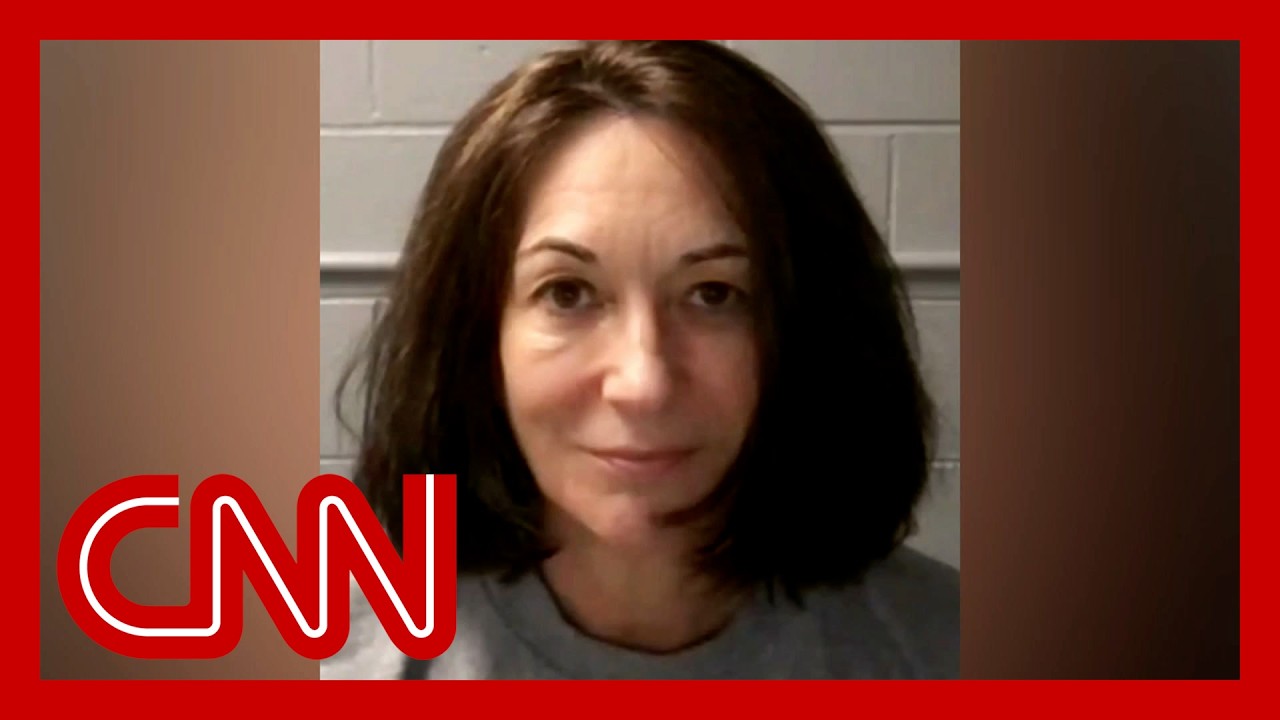
Ghislaine Maxwell’s Refusal to Testify: Implications for Investigations
During a recent session of the House Oversight Committee, Chairman James Comer announced that Ghislaine Maxwell has chosen to invoke her Fifth Amendment rights, thereby refusing to answer questions related to her alleged crimes and those of former associate Jeffrey Epstein. This choice has generated disappointment and concern among committee members, as it halts the pursuit of crucial insights into a web of sexual abuse, possible co-conspirators, and other related matters.
Comer expressed his frustration, emphasizing the committee’s commitment to uncovering the truth for the American public and delivering justice to survivors. He articulated a collective hope that Maxwell would share information that could be pivotal for ongoing investigations. Unfortunately, her decision to remain silent complicates this objective. The committee had prepared numerous questions designed to uncover the details around Maxwell and Epstein’s crimes, as well as potential accomplices instrumental in the trafficking operations.
Looking ahead, the committee’s investigations appear determined but challenging. Comer confirmed that five high-profile depositions are scheduled in the coming weeks, including testimonies from key figures such as former Secretary of State Hillary Clinton and former President Bill Clinton. Given their proximity to Maxwell and Epstein, their accounts could shed light on the broader implications of these investigations. Importantly, the hearings will be public, enabling transparency and accountability.
Comer reiterated that the inquiry into Epstein’s operations extends beyond Maxwell. The committee is interested in anyone, including royal family members, who may hold information relevant to the investigation. However, Comer acknowledged the limitations of subpoenaing foreign individuals, hinting at the complexity of international dimensions to these inquiries.
Maxwell’s legal counsel asserted that neither Donald Trump nor Bill Clinton is implicated in any wrongdoing concerning Maxwell. However, the gravity of her invocation of the Fifth Amendment raises questions about potential ramifications for others connected to her. The attorney also hinted at an ongoing habeas corpus petition and a request for clemency from Trump, which could suggest that Maxwell’s decision to testify may be contingent upon political maneuvers.
While the committee remains steadfast in pushing forward with other depositions, there is an apparent tension regarding the protocols surrounding testimony. During the press conference, Comer addressed queries concerning a public versus closed-door format for depositions, particularly pertaining to the Clintons. He asserted that previous depositions have been conducted in a standard format, promising that every revelation would be made available to the public.
Additionally, Comer acknowledged the complicated jurisdictional matters relating to ethics investigations. The committee has sought answers concerning Rep. Ilhan Omar’s affiliations with businesses owned by her spouse, emphasizing its role as an oversight authority rather than intervening in matters typically reserved for the Ethics Committee.
The dialogue surrounding Maxwell’s case underscores the intertwined nature of legal, ethical, and political questions. Her reluctance to speak raises concerns about potential protections underlying ongoing discussions, particularly when requesting clemency.
The broader implications of these investigations are significant. They touch not only on issues of accountability for powerful individuals but also on the emotional and psychological toll on the survivors who continue to seek justice. As the committee pushes on with its inquiries, the commitment to transparency and justice remains central.
In summary, the ongoing saga surrounding Ghislaine Maxwell and the investigations into her and Epstein’s criminal enterprise continues to unfold. With high-profile depositions scheduled and the overarching goal of delivering justice to survivors, these upcoming weeks will be crucial for the House Oversight Committee and the public it serves. The refusal of Maxwell to testify raises numerous questions that will likely linger until more definitive answers are unearthed. As this complex narrative develops, it remains imperative that the committee remains vigilant in its pursuit of justice, ensuring that the voices of survivors are finally heard.